Ghana's PlasticPreneur Turns Pollution Into Jobs
A Ghanaian entrepreneur is transforming how people see plastic waste by building a business that buys, sells, and recycles it into economic opportunity. Senam Lassey believes Ghana's plastic challenge could become the foundation for thousands of green jobs.
One person's trash is literally Senam Lassey's treasure, and he's building an entire industry to prove it.
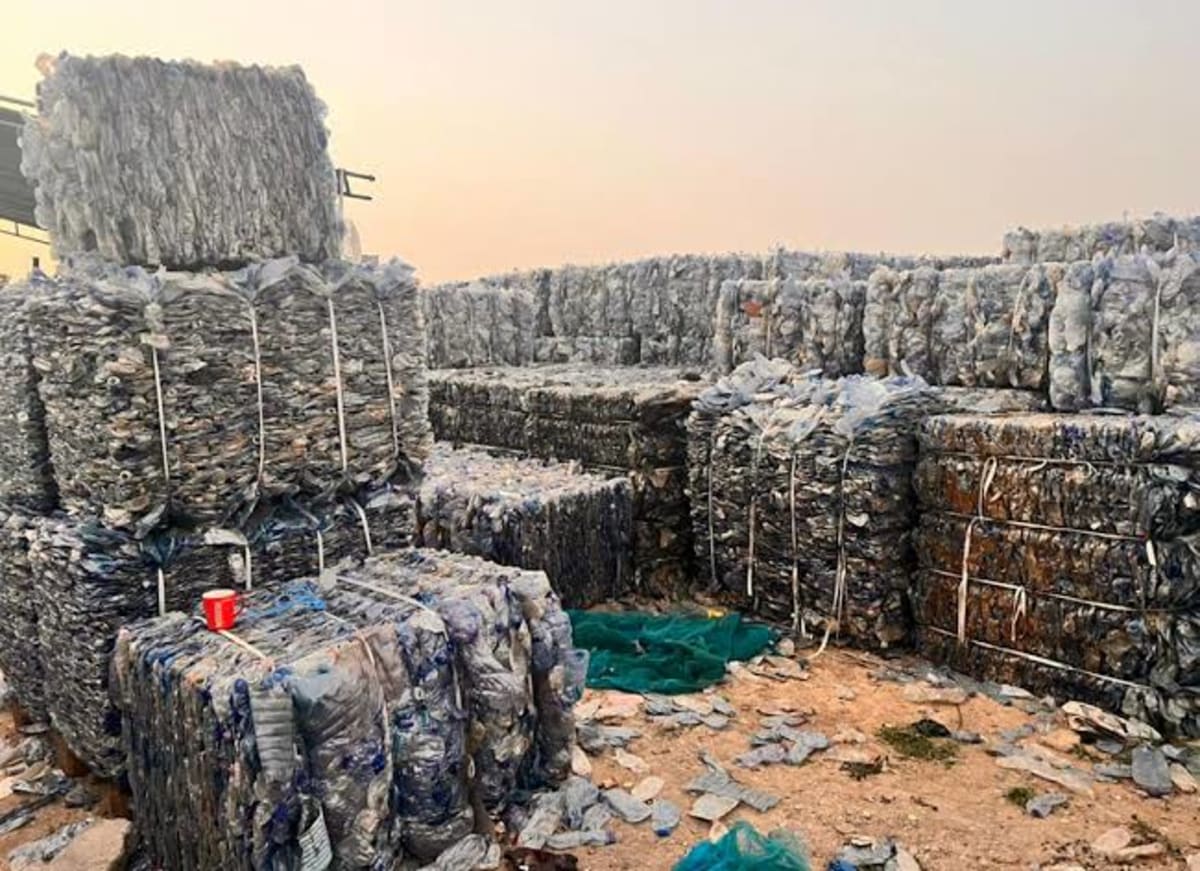
The Ghanaian entrepreneur, known as PlasticPreneur, runs a business buying and selling plastic waste across Ghana. To him, the bottles and bags clogging drains and littering beaches aren't pollution. They're paychecks waiting to happen.
"I'm a plastic waste administrator. I buy and sell plastic waste," Lassey explained during a recent environmental discussion on JoyNews. "So to me, I don't see plastic as trash or waste. I see it as an opportunity."
His timing couldn't be better. Ghana faces a mounting plastic crisis that contributes to flooding, blocked drainage systems, and widespread environmental damage. But Lassey argues the real problem isn't the plastic itself. It's the country's failure to build systems that collect, recycle, and reintegrate these materials back into the economy.
He's advocating for a circular economy approach where plastic gets reused repeatedly instead of discarded after one use. The model requires investment in collection infrastructure, recycling facilities, and processing systems that can turn waste into valuable raw materials.
The economic potential is massive. Lassey believes Ghana could create thousands of green jobs and support local enterprises through a robust recycling industry. Workers are needed to collect materials, sort them, process them, and manufacture new products from recycled plastic.
The Ripple Effect
PlasticPreneur's message is already shifting perspectives among environmental advocates and youth climate reporters. The conversation is moving beyond simply banning plastic or cleaning up pollution. Now it includes how waste can fuel economic growth while solving environmental problems.
Other entrepreneurs are taking notice too. As more Ghanaians start viewing plastic as a resource rather than rubbish, new businesses focused on collection and recycling are emerging. Each one creates jobs while reducing the amount of plastic entering landfills and waterways.
The approach offers developing nations like Ghana a template for tackling pollution without sacrificing economic development. Instead of choosing between environmental protection and job creation, communities can pursue both simultaneously through circular economy models.
Ghana's plastic pollution costs the country an estimated $6 billion annually in environmental damage and lost opportunities. Lassey sees that figure as proof of how much value is literally being thrown away. If even a fraction of that waste entered recycling systems, it could support entire communities.
His vision is straightforward: transform Ghana's plastic problem from a crisis into an industry. The materials are already there, scattered across cities and countryside. All that's missing is the infrastructure to capture their value and the mindset shift to see possibility instead of pollution.
Based on reporting by Myjoyonline Ghana
This story was written by BrightWire based on verified news reports.
Spread the positivity!
Share this good news with someone who needs it