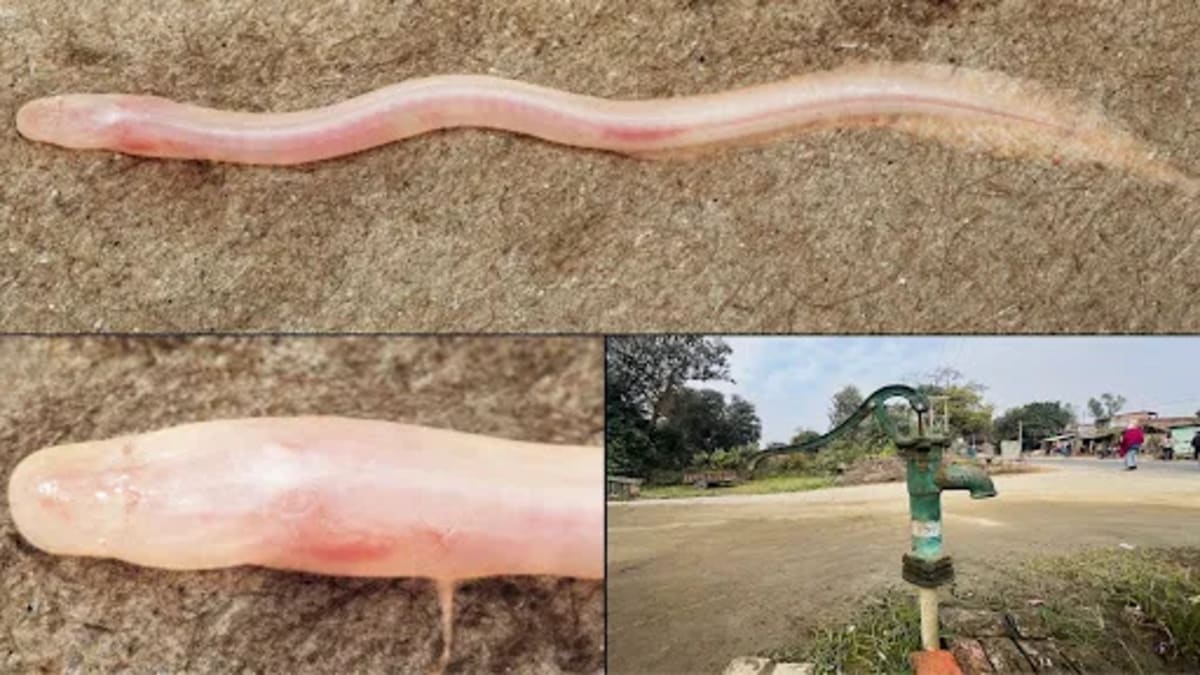
Giant Earthworms in South Australia May Be New Species
After 30 years of tracking sightings, an ecologist has confirmed that giant earthworms up to 2 meters long are living beneath South Australia's soil. Scientists say these massive creatures are "almost certainly" new species waiting to be formally discovered.
For three decades, ecologist Kristen Messenger heard stories about impossibly large earthworms in South Australia that officially didn't exist. Then she started finding them herself, some stretching longer than a grown adult is tall.
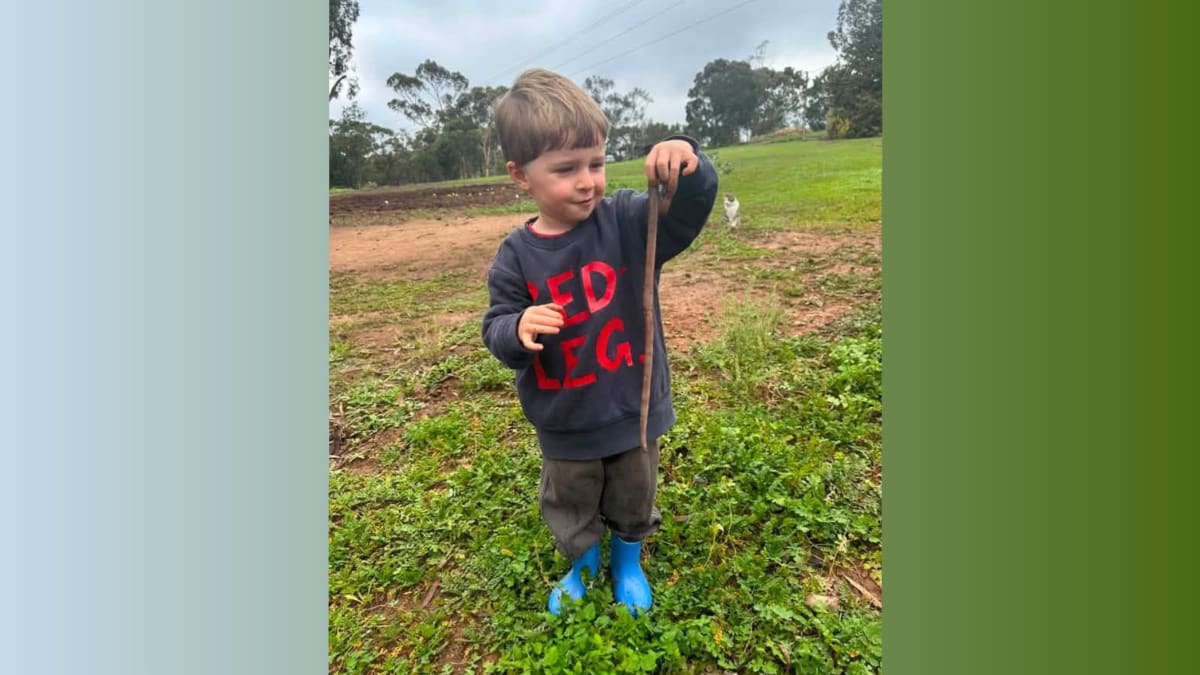
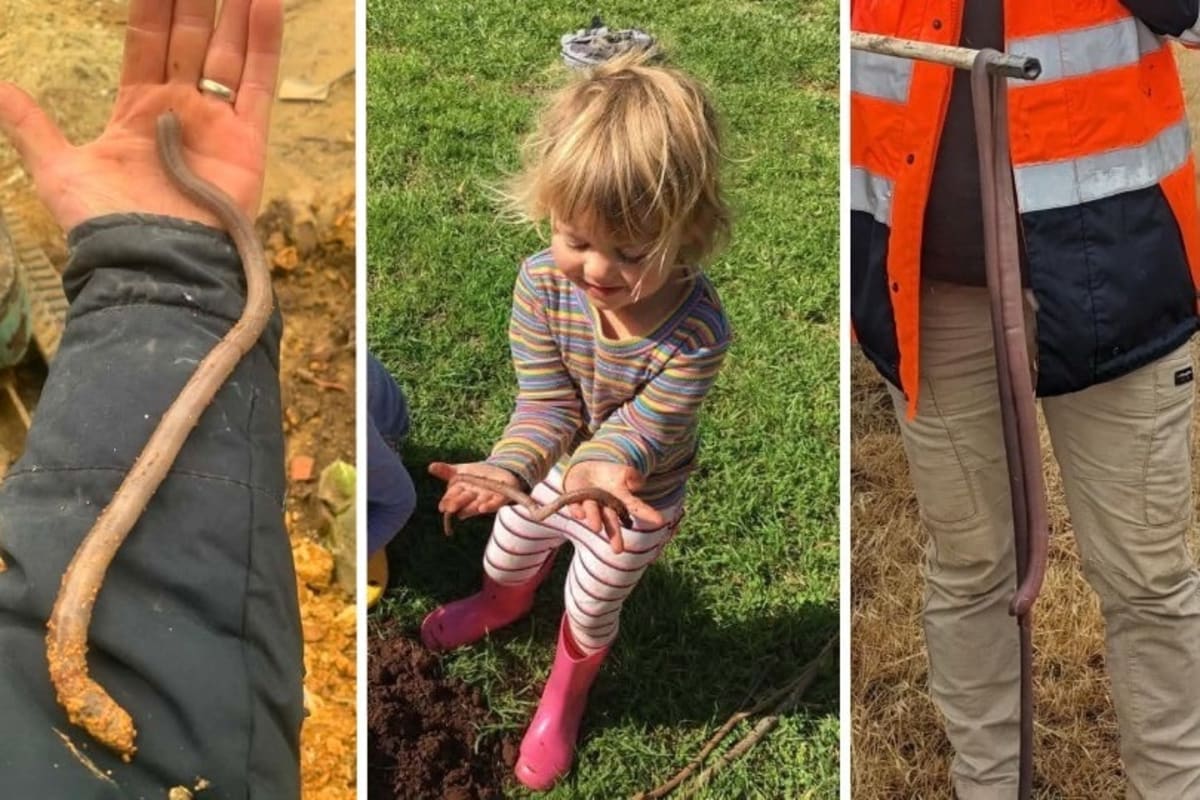
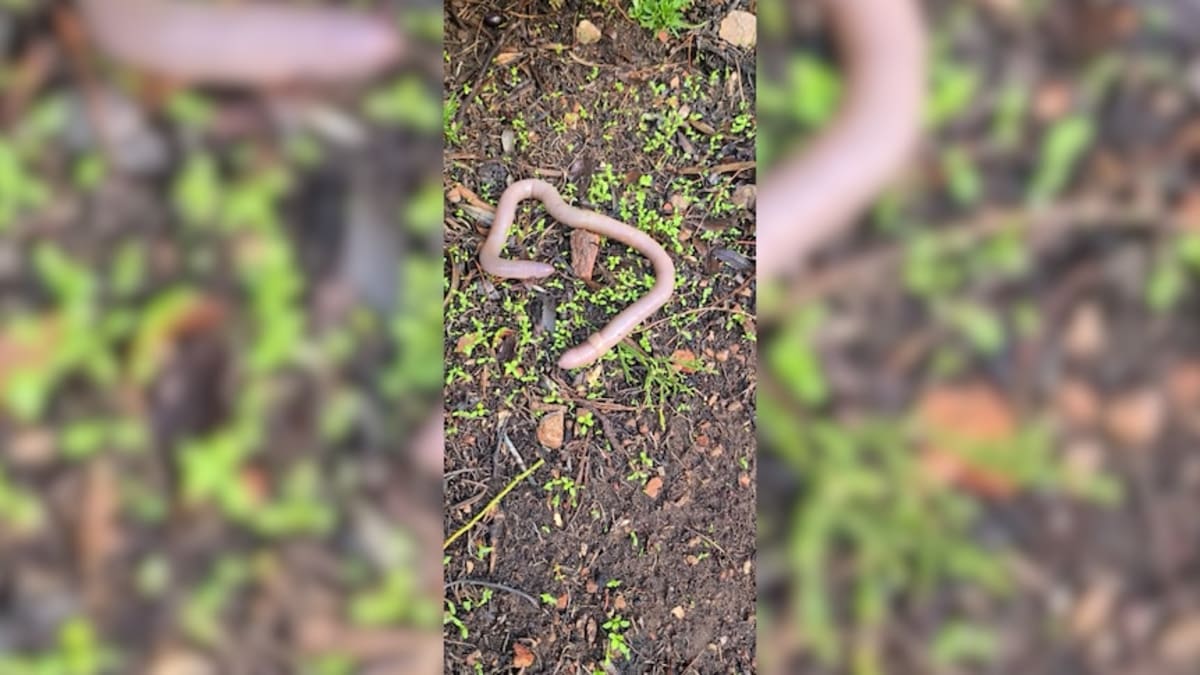
While typical earthworms measure under 15 centimeters, the creatures Messenger has documented reach lengths of 70 centimeters to an incredible 2 meters. They're as thick as a garden hose and live in permanent burrows up to 3 meters underground.
South Australia only has one officially recognized large earthworm species, discovered in 1887 in the Adelaide Hills. But reports of these giant worms have poured in from across the state, especially in semi-arid regions like the Flinders Ranges, where such creatures weren't thought to exist.
Dr. Geoff Dyne, a CSIRO scientist who identified a new giant earthworm species in Broken Hill in 2021, examined photos from South Australia. He confirmed that several are "almost certainly new" species, particularly the 2-meter specimens that dwarf anything currently known in the state.
The discovery matters more than it might seem. Australia already has over 700 known native earthworm species, but scientists believe many more remain hidden. These soil engineers perform crucial ecological work, aerating earth and recycling nutrients, often in ecosystems we barely understand.
The Bright Side
The timing of these discoveries offers hope for conservation. Recent heavy rains have brought the normally nocturnal worms to the surface during daylight hours, when more people can spot them and contribute to scientific knowledge through community reporting.
A social media call-out received reports from nine different regions across South Australia. This citizen science approach means everyday Australians are helping document biodiversity that might otherwise disappear unnoticed, especially in areas affected by land clearing.
Dr. Dyne emphasized the urgency: "We need to know more about what we actually have before we lose it." He suspects Australia has already lost unknown species to habitat destruction, making current discoveries even more precious.
Messenger continues her passionate, unofficial monitoring work, though she has no plans to pursue formal academic recognition of the species. Her interest lies purely in celebrating these remarkable creatures and sharing her excitement about what's hiding beneath our feet.
The giant earthworms remind us that even in well-explored places, nature still holds surprises worth protecting.
More Images
Based on reporting by ABC Australia
This story was written by BrightWire based on verified news reports.
Spread the positivity!
Share this good news with someone who needs it