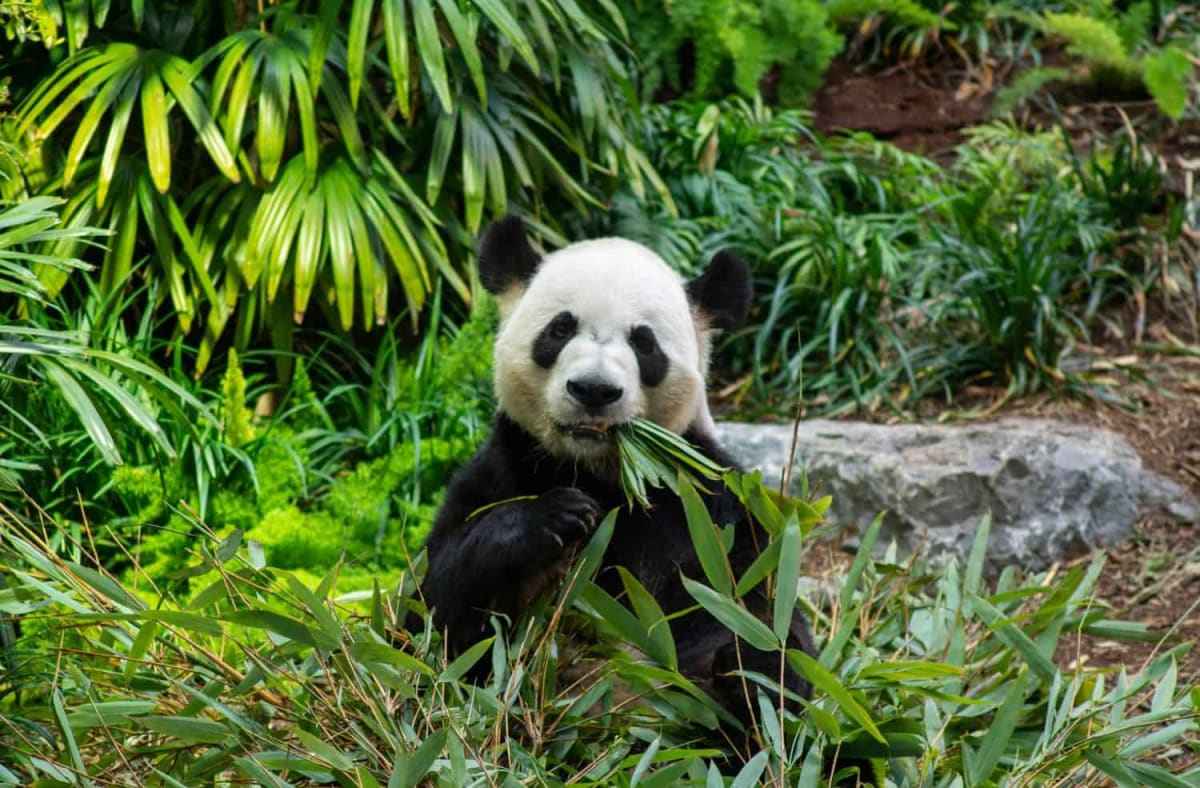
Giant Pandas Upgraded from Endangered to Vulnerable
The giant panda has been downgraded from "endangered" to "vulnerable" thanks to decades of conservation work in China. Four other species, from Amur leopards to black rhinos, are also bouncing back from the brink.
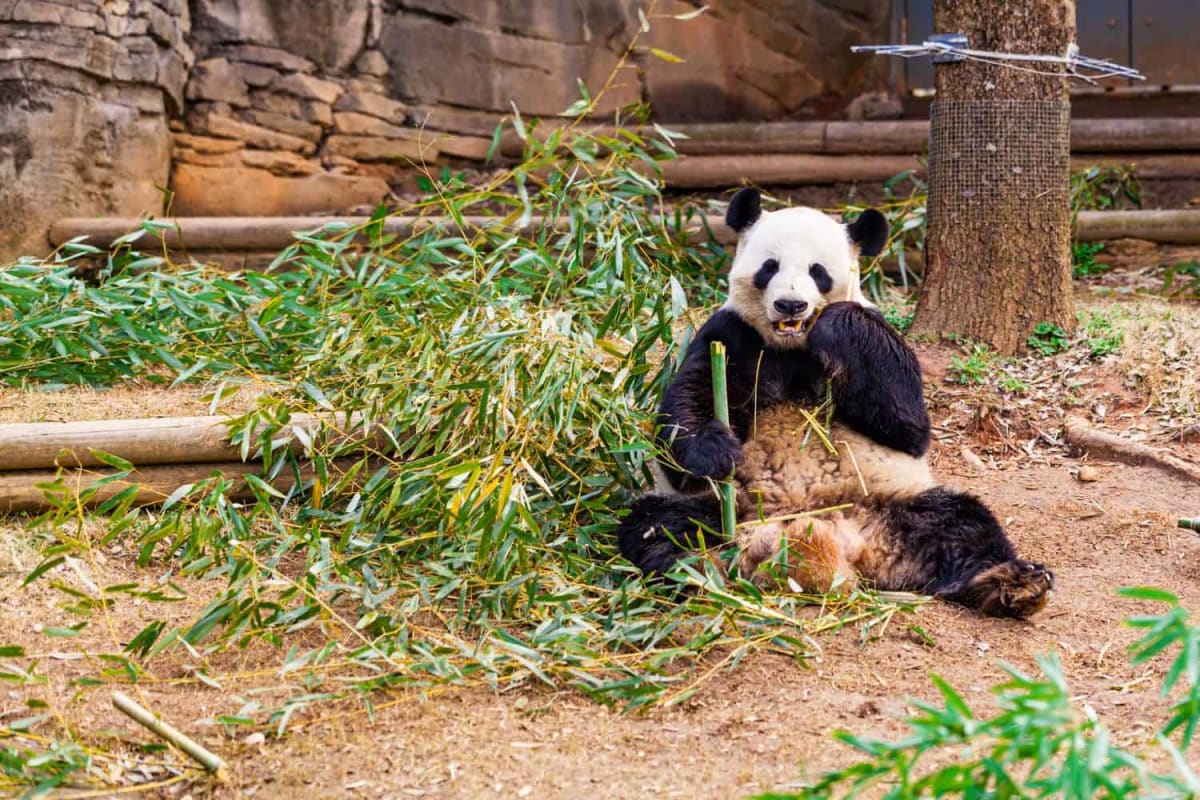
The giant panda, one of the world's most beloved animals, is no longer classified as endangered.
After years of intensive habitat protection and breeding programs in China, pandas have officially moved to "vulnerable" status on the International Union for Conservation of Nature's Red List. That's one step further from extinction, and it happened because people refused to give up.
China invested heavily in creating nature reserves, restoring bamboo forests, and building wildlife corridors that reconnect isolated panda populations. Researchers developed successful captive breeding programs while learning more about how pandas behave in the wild. The hard work paid off with growing panda numbers and healthier habitats.
The panda isn't alone in its comeback story. The Amur leopard, one of the rarest big cats on Earth, has seen its population grow in recent years thanks to stronger anti-poaching enforcement and cooperation between Russia and China. Carefully managed breeding programs are helping preserve genetic diversity in these stunning cats that once roamed much larger territories.
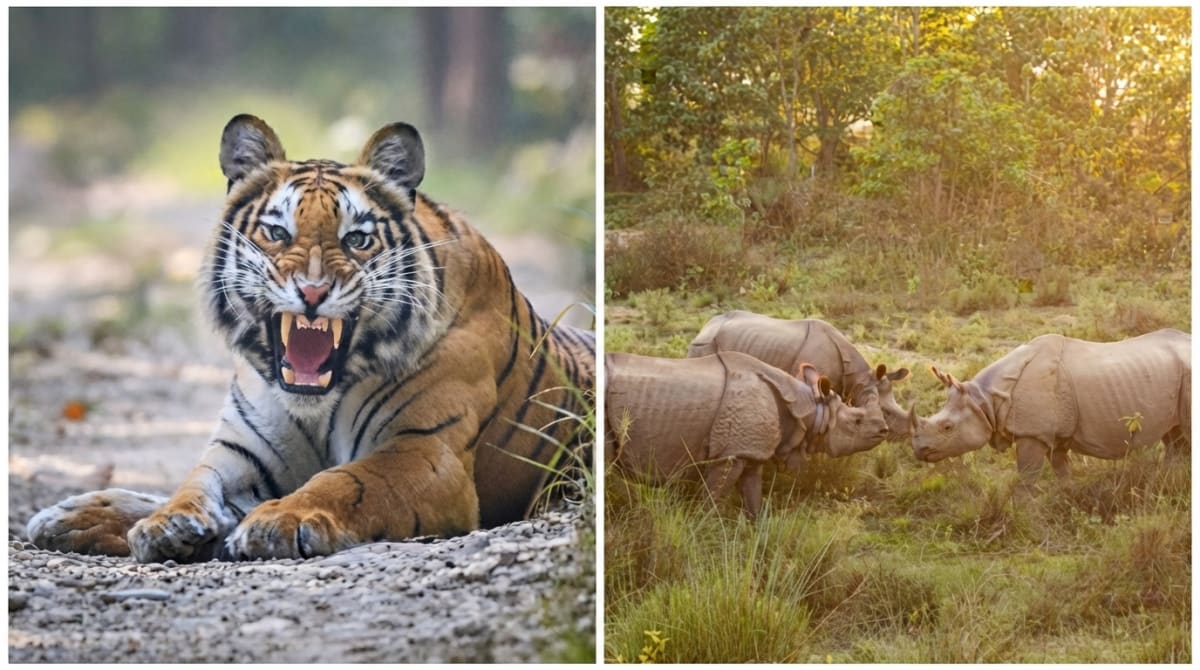
Black rhinos are also defying the odds. Their populations collapsed dramatically during the twentieth century due to intense poaching for their horns. Armed anti-poaching units, GPS monitoring, wildlife crime investigations, and community conservation partnerships are now helping black rhino numbers gradually increase. The species remains critically endangered, but the upward trend shows what persistent investment can achieve.
The Ripple Effect
These recovery stories prove that conservation works when communities commit to it. Every species saved helps maintain the delicate balance of ecosystems that all life depends on. When pandas thrive, bamboo forests flourish. When rhinos recover, entire grassland communities benefit.
The International Union for Conservation of Nature currently lists over 40,000 species as threatened by extinction. That number feels overwhelming, but the success stories show a clear path forward. Protected habitats, enforced anti-poaching laws, international cooperation, and breeding programs create real results.
National Threatened Species Day falls on September 7th each year, giving everyone a chance to learn about animals at risk and how humans can help. The day reminds us that while threats like habitat loss and climate change continue growing, dedicated people around the world are fighting back with science, policy, and passion.
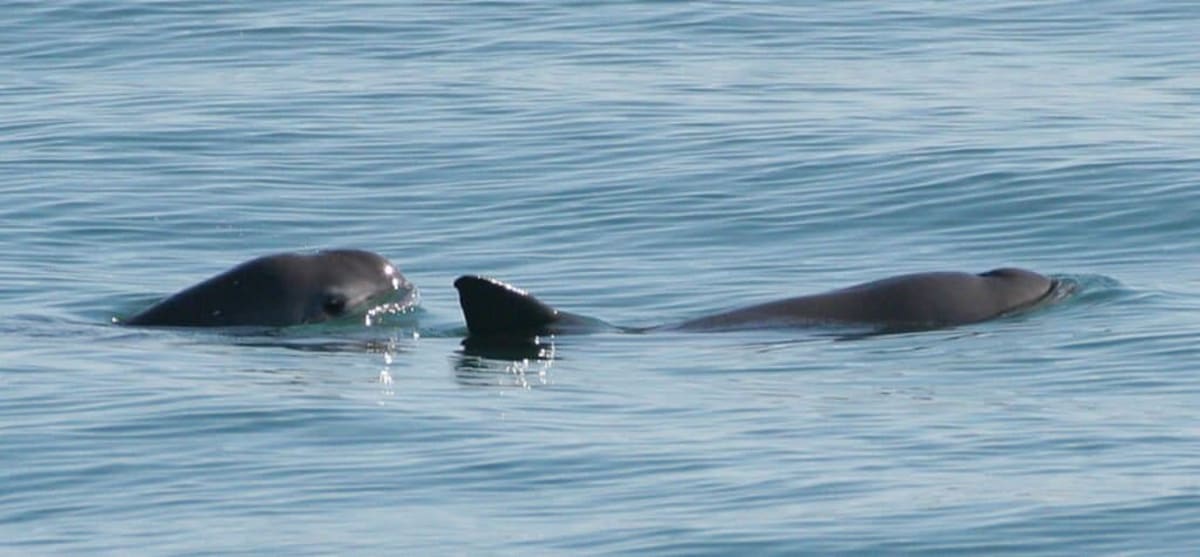
Some species still face uncertain futures. The vaquita, a tiny porpoise living only in Mexico's northern Gulf of California, has fewer than a dozen individuals left. They die accidentally in illegal gillnets set for another endangered fish. Conservationists continue working with the Mexican government to remove illegal fishing gear and support sustainable alternatives for local communities.
The work isn't finished for pandas either, as climate change and habitat fragmentation still pose challenges. But moving from endangered to vulnerable represents genuine progress worth celebrating.
Every species pulled back from the edge of extinction proves that humans can be part of the solution.
More Images
Based on reporting by Google: species saved endangered
This story was written by BrightWire based on verified news reports.
Spread the positivity!
Share this good news with someone who needs it