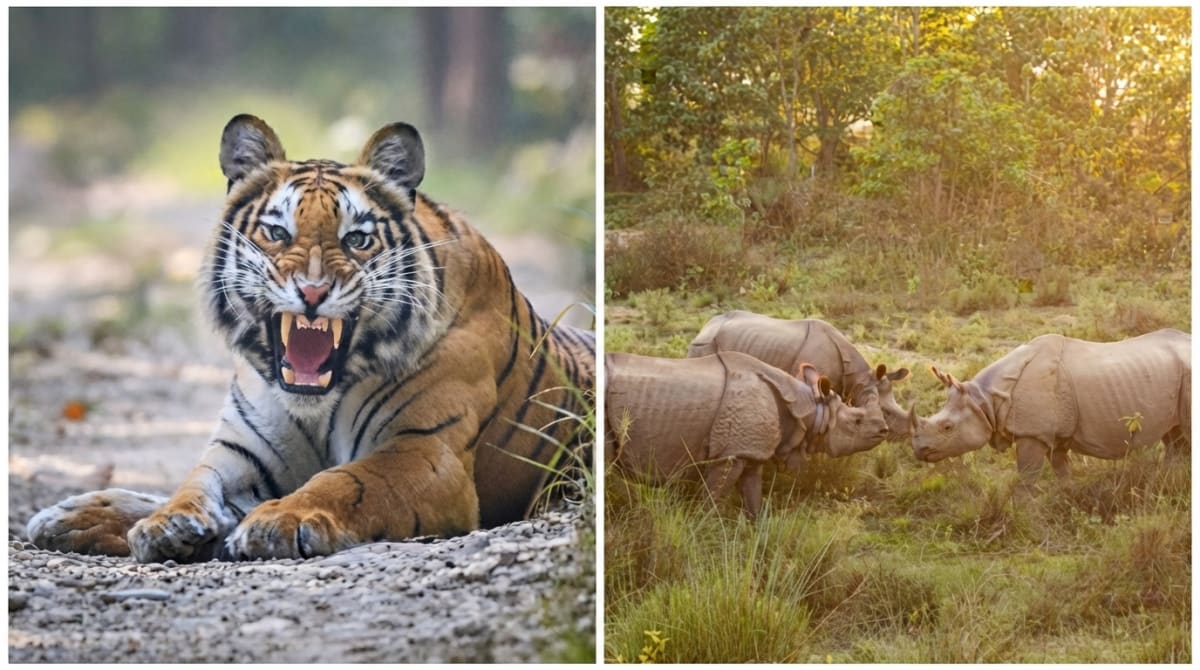
Nepal Nearly Quadruples Wild Tiger Population Since 2009
Nepal's wild tiger population soared from 121 in 2009 to 429 in 2026, making it the first country to meet an ambitious global conservation goal. The rhino population has climbed from under 100 in the 1960s to 752 today, one of the rarest conservation wins on Earth.
When thirteen countries promised in 2010 to double their wild tiger populations by 2022, most failed. Nepal didn't just succeed—it nearly quadrupled its tigers in less than two decades.
The country's wild tiger count hit 429 animals in July 2026, up from just 121 when systematic surveys began in 2009. That's an increase of more than three and a half times, making Nepal the first nation to actually achieve the Tx2 pledge signed in St. Petersburg.
The greater one-horned rhino tells an even more dramatic story. By the 1960s, poaching and habitat loss had pushed the species to fewer than 100 individuals inside Nepal's borders, teetering on the edge of extinction.
The 2021 national count recorded 752 rhinos, now the second-largest population in the world behind only India's Kaziranga National Park. Both recoveries rank among the fastest large-mammal comebacks ever documented.
Nepal pulled off what wealthier nations couldn't through unglamorous, relentless work. The government stationed army battalions permanently inside parks like Chitwan and added community patrol units on top, building one of Asia's most effective anti-poaching systems.
The country achieved multiple "zero-poaching years" since 2011, including a remarkable stretch in 2014 when no rhinos, tigers, or elephants were killed by poachers for twelve full months. Clean years followed in 2015, 2016, and 2018.
Money made the difference in keeping communities invested. Community-managed forests now cover roughly a third of Nepal's total forest area, run by local user groups that have direct financial reasons to keep poachers out.
Buffer zone committees around national parks receive nearly half of all park revenue from entrance fees and licensing. When villagers get a cut of tourism income, rhinos become worth more alive than dead.
The Ripple Effect
Nepal's success is already influencing conservation strategies across Asia. Other countries are studying how a nation with limited resources outperformed wealthier neighbors by combining military-level enforcement with community profit-sharing.
The model proves that wildlife recovery doesn't require choosing between animals and people. When local communities directly benefit from conservation, they become the most effective protectors.
Habitat restoration work continues across protected areas, with degraded corridors being rebuilt to connect isolated wildlife populations. The investment is paying off in ways that extend far beyond tiger and rhino counts.
Tourism revenue flowing into rural villages has funded schools, clinics, and infrastructure that might never have arrived otherwise. Conservation became an economic engine, not just an environmental goal.
What looked impossible in the 1960s is now measurable reality: Nepal brought two iconic species back from the brink while lifting up the communities that live alongside them.
Based on reporting by Google News - Conservation Success
This story was written by BrightWire based on verified news reports.
Spread the positivity!
Share this good news with someone who needs it