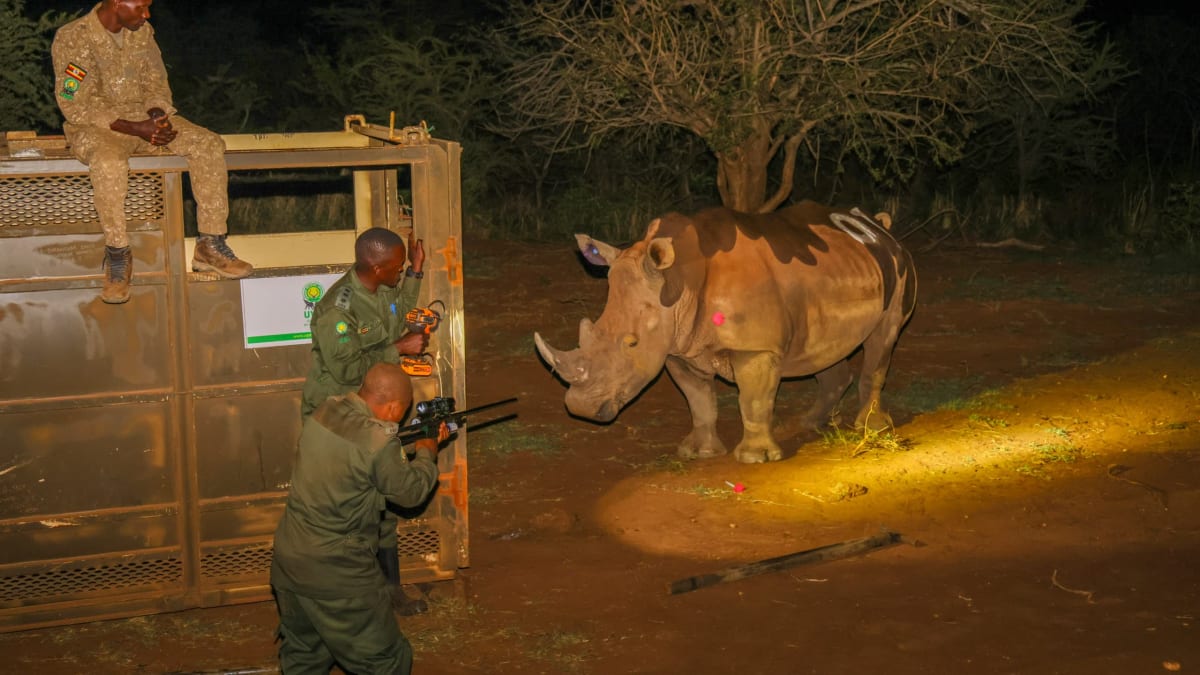
Rhinos Return to Uganda 43 Years After Poaching Wiped Them Out
For the first time since 1983, rhinos are roaming wild in Uganda's Kidepo Valley National Park. The comeback story began with just six rhinos at a breeding sanctuary in 2005.
Find uplifting stories about heroes, innovations, and solutions
123 results for "rhinos"
For the first time since 1983, rhinos are roaming wild in Uganda's Kidepo Valley National Park. The comeback story began with just six rhinos at a breeding sanctuary in 2005.
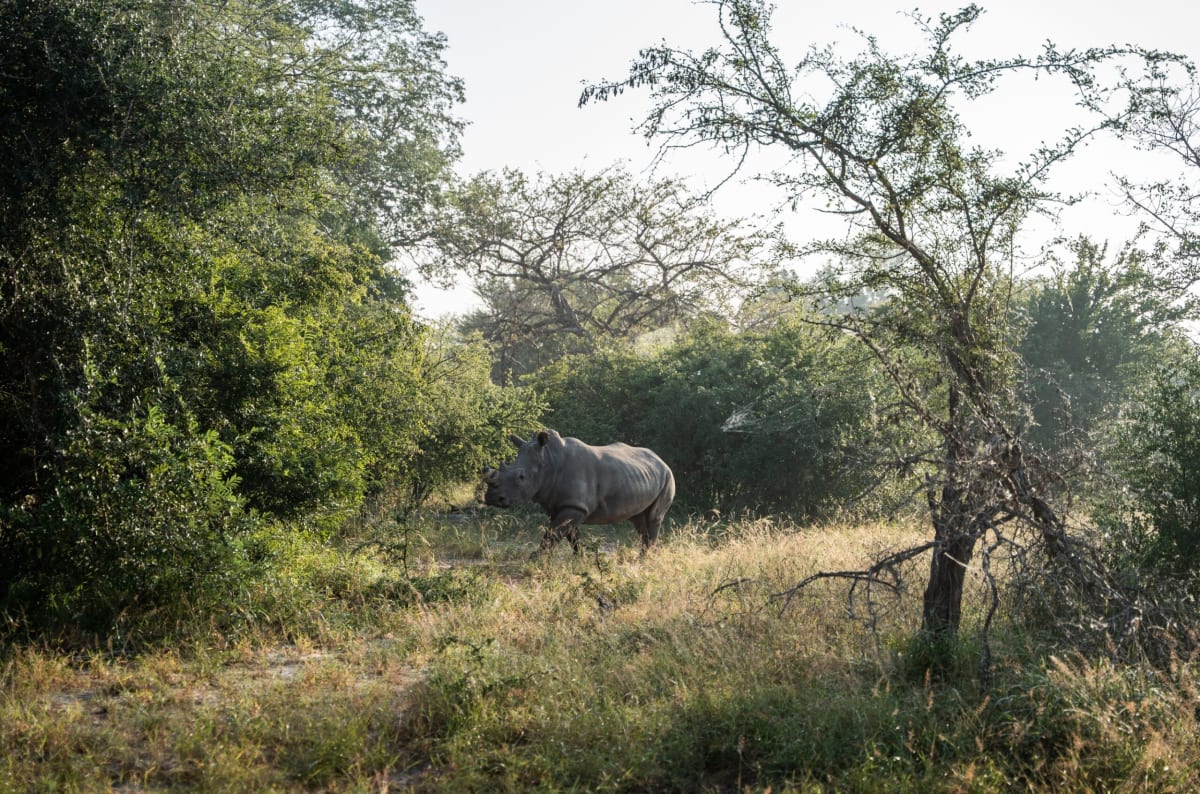
Nine female white rhinos arrived in Mozambique's Zinave National Park this June, completing a 10-year mission to restore a breeding population wiped out by civil war. The park now hosts 52 rhinos that will help rebuild ecosystems and potentially populate other parks across the country.
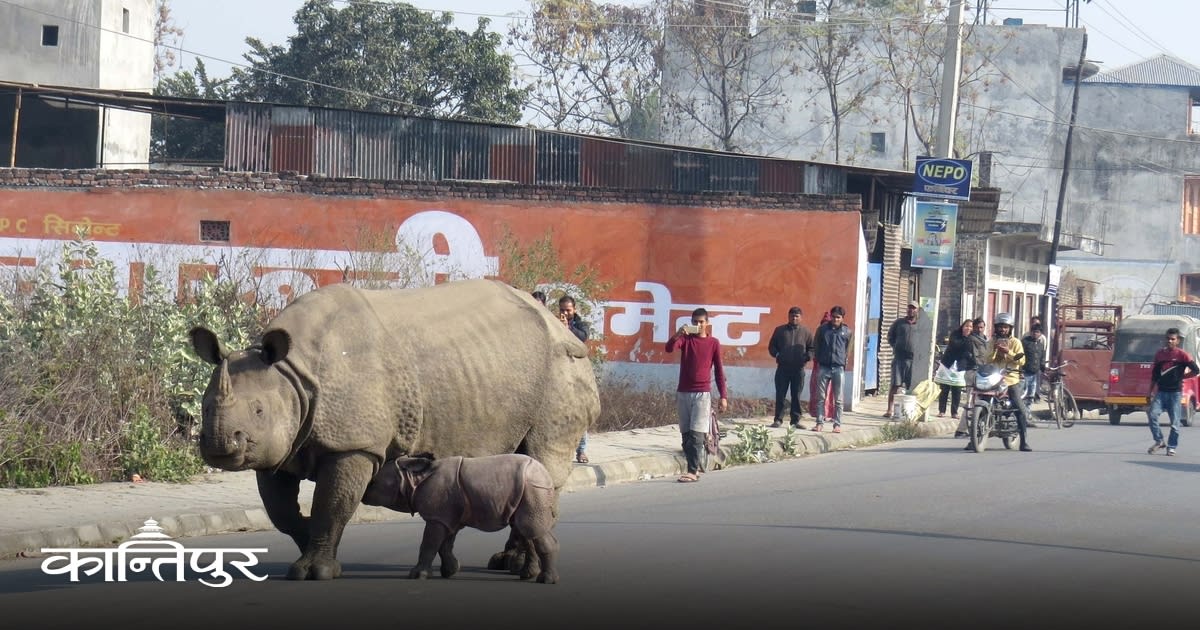
Nepal's one-horned rhinos are thriving so well they're now strolling through city streets in Chitwan, capturing tourist videos and sparking debates about conservation success. The comeback story has a complex twist: locals wonder if rhinos entered the city, or if the city spread into rhino territory.
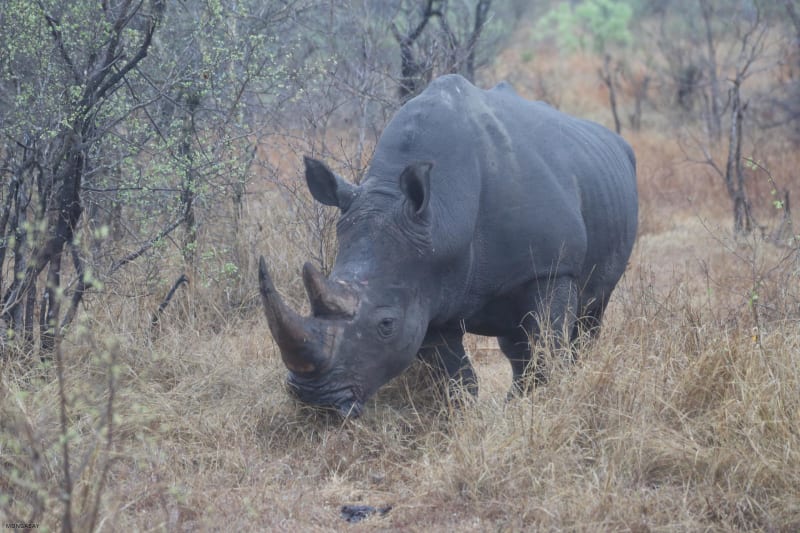
A "ridiculous" plan hatched at a Florida zoo saved an endangered rhino from going blind in Zimbabwe. Within two weeks, local rangers learned to safely give eye drops to a wild rhino named Thuza.
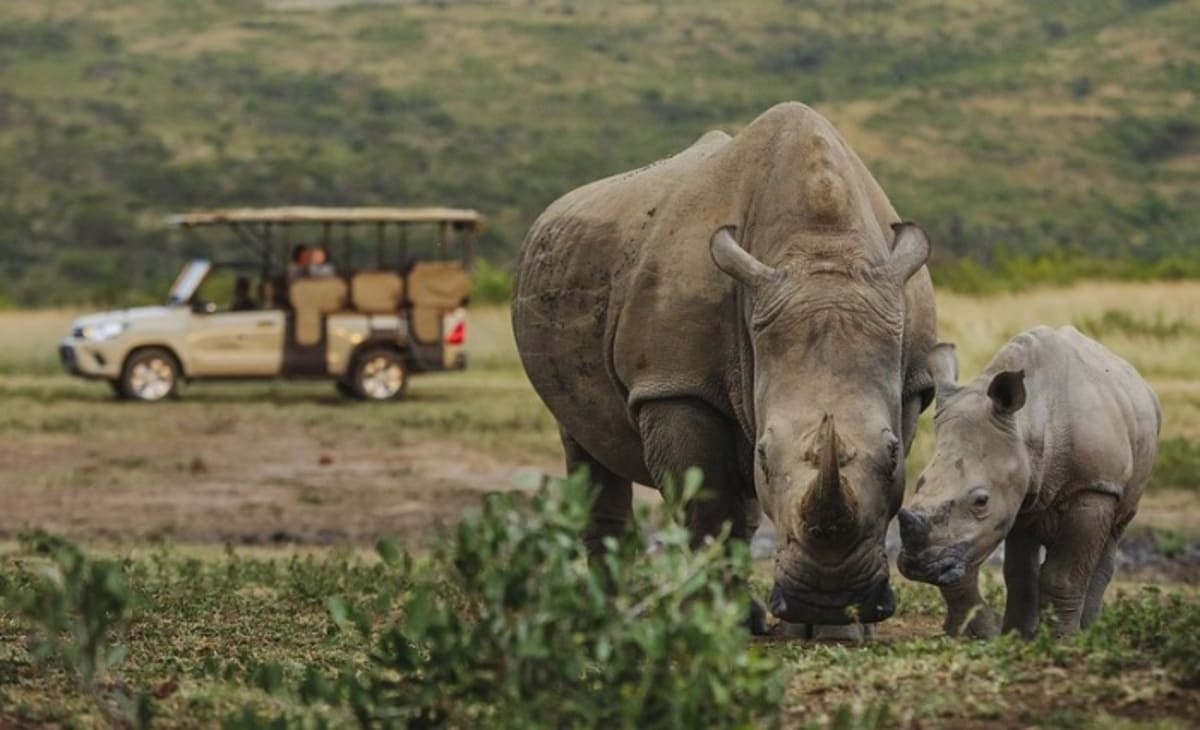
A South African safari lodge is turning tourist stays into conservation wins, helping drive a historic 52% reduction in rhino poaching. Every night booked at Rhino Ridge Safari Lodge directly funds the rangers, technology, and community partnerships protecting the birthplace of southern white rhinos.
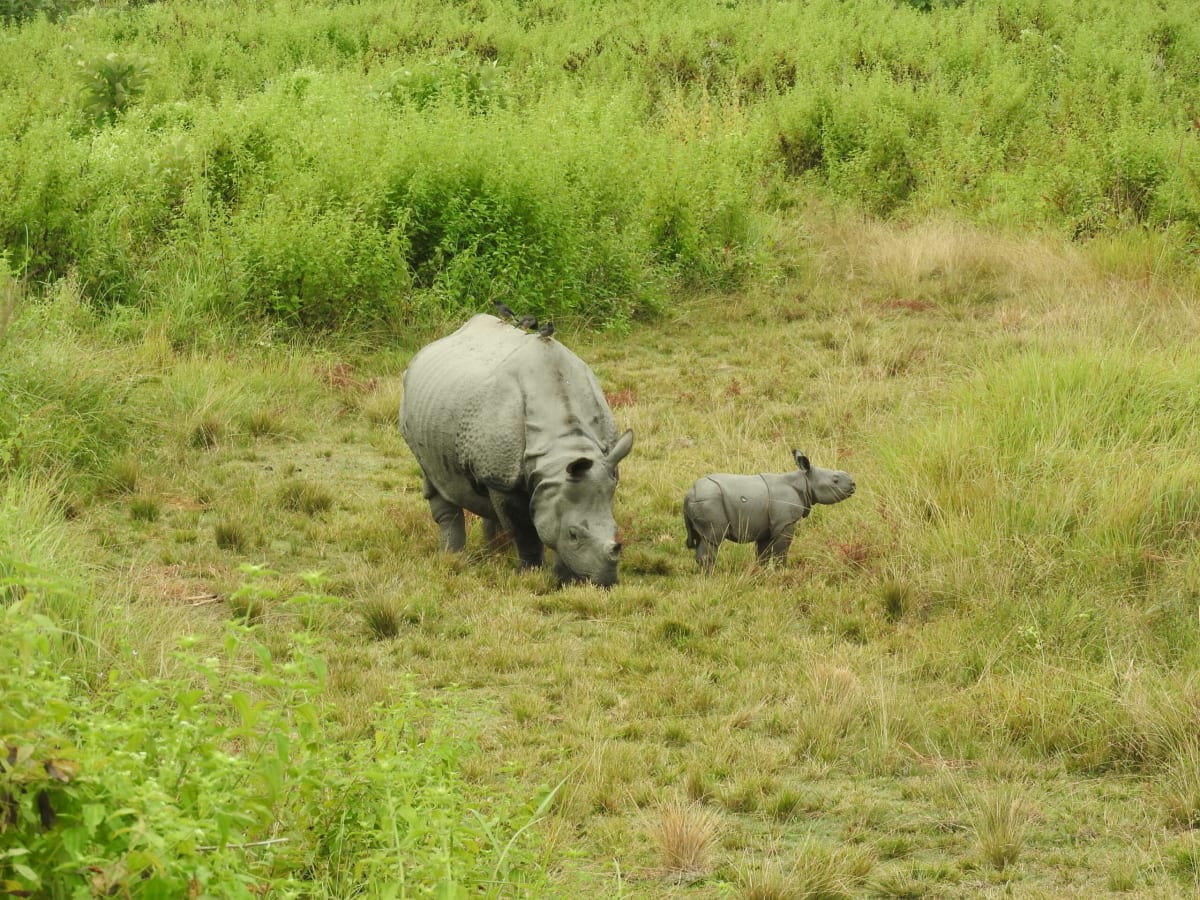
After poachers wiped out nearly 100 rhinos by the late 1990s, India's Manas National Park is celebrating a comeback. Over the past decade, 35 calves have been born to reintroduced rhinos, proving these magnificent animals can thrive again in their ancestral home.

For the first time since 1983, rhinos are coming home to Uganda's Kidepo Valley National Park. Eight southern white rhinos are being relocated from a breeding sanctuary to restore a species wiped out by poaching four decades ago.
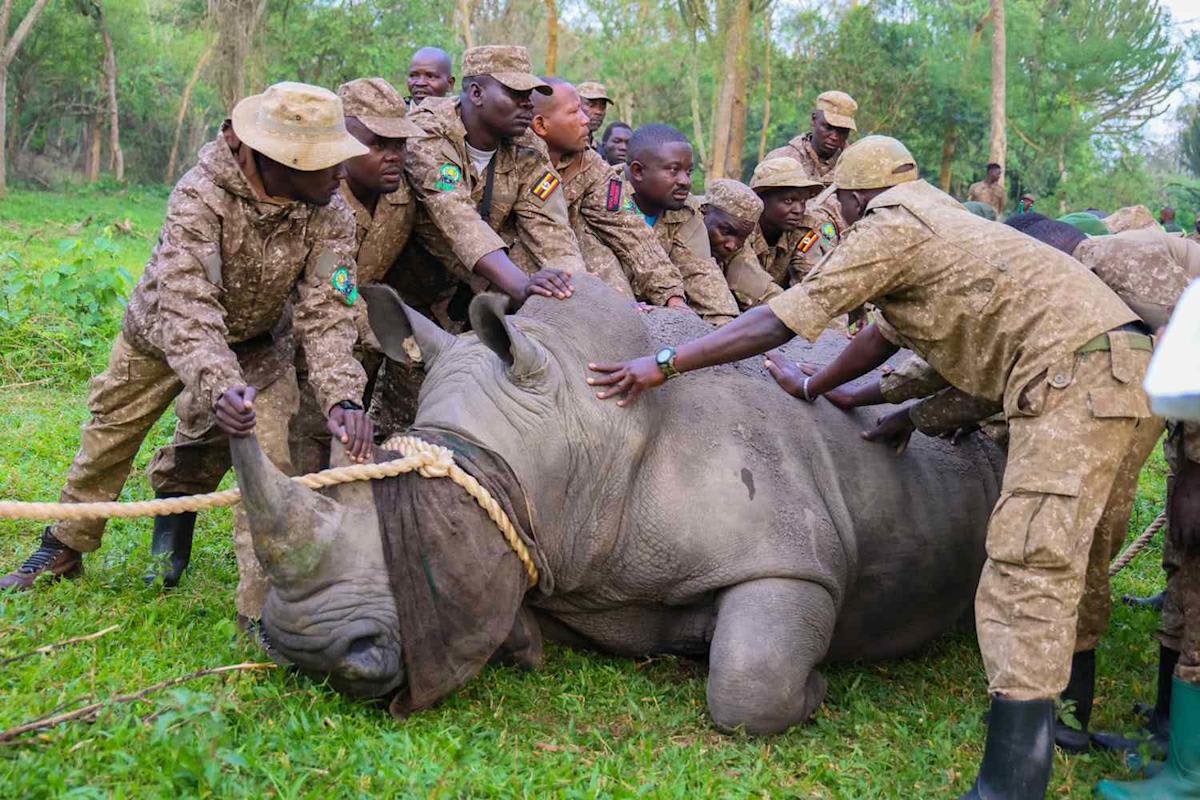
For the first time since poachers killed the last one in 1983, white rhinos are back in Uganda's Kidepo Valley National Park. Two rhinos arrived this week, with six more on the way to restore a population that vanished four decades ago.
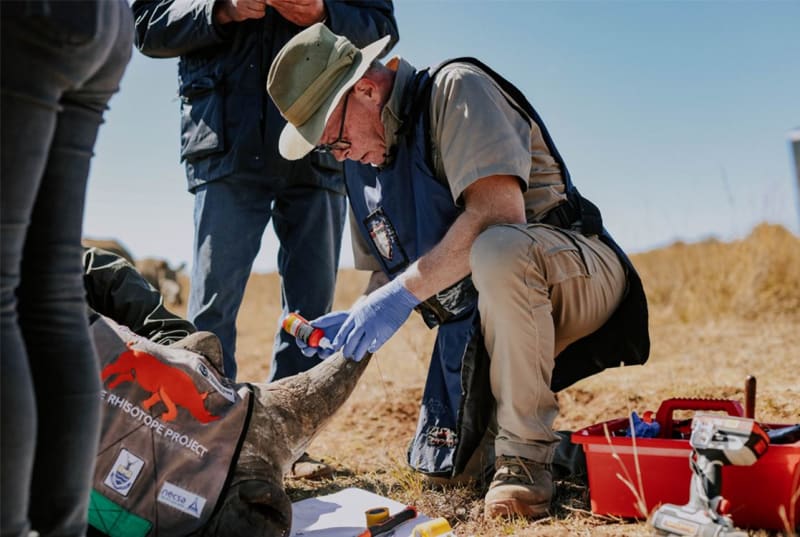
Scientists in South Africa are inserting safe radioactive isotopes into rhino horns, making them detectable at borders and worthless to poachers. After six years of development and successful testing on 20 rhinos, the groundbreaking Rhisotope Project is now being deployed across game reserves.
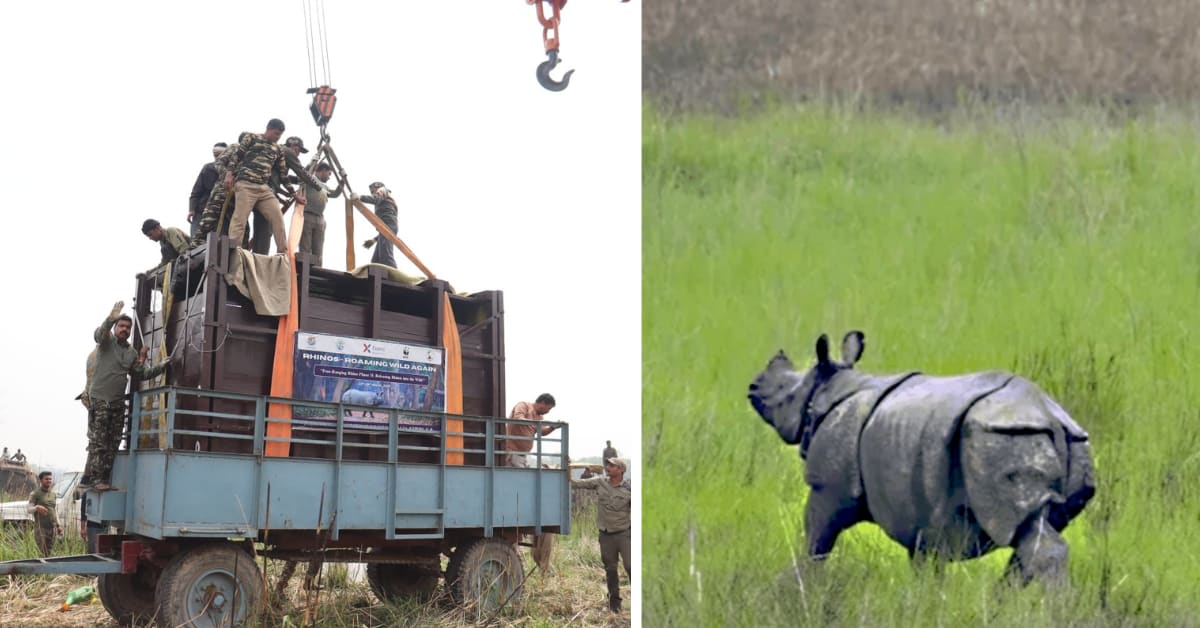
Four greater one-horned rhinos stepped into freedom at India's Dudhwa Tiger Reserve in March, bringing the total number of free-roaming rhinos to eight in a landscape where they vanished decades ago. It's a carefully managed return that could reshape an entire ecosystem.

After nearly 16 years, South Africa secured convictions in the world's largest rhino horn trafficking case, signaling a major win for wildlife protection. The masterminds behind more than 1,700 charges finally faced justice, offering hope for the country's endangered rhino populations.
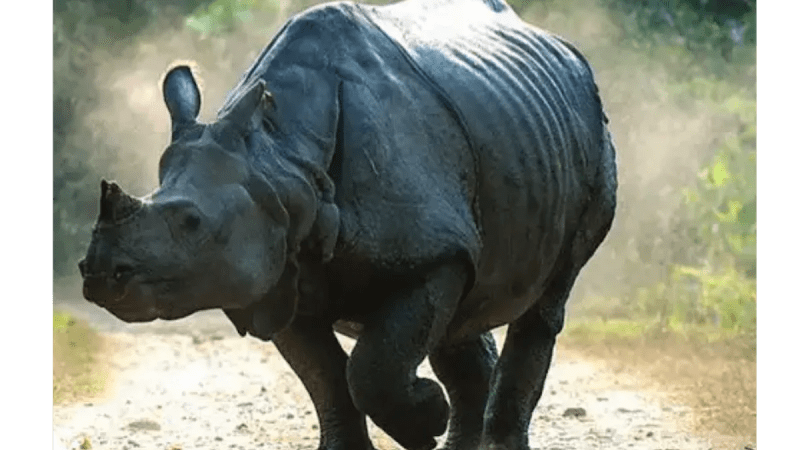
India's Assam state has achieved over two years without a single rhino killed by poachers, protecting a species that once lost 27 animals annually to illegal hunting. A combination of tough laws, community support, and innovative conservation efforts has saved the world's largest population of one-horned rhinos.
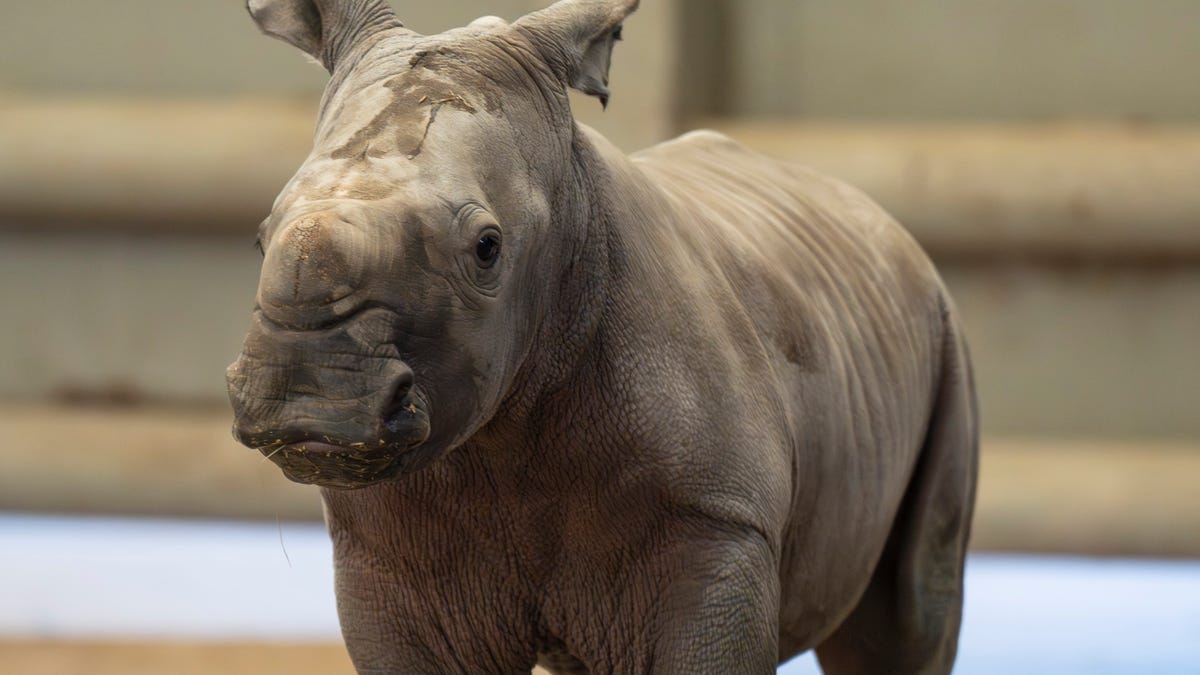
A southern white rhino born at The Wilds in Ohio represents more than two decades of conservation success for a species that once numbered fewer than 100. The 100-pound calf joins one of North America's largest multigenerational rhino herds.

Kenya is inviting community conservancies to join a growing network protecting endangered rhinos, offering hope for a species once on the brink of extinction. The expansion could strengthen genetic diversity and secure the future of one of Africa's most iconic animals.

A Florida zoo team traveled to Zimbabwe and used "ridiculous" training techniques to save a wild rhino from going blind. Within two weeks, they taught the 4,000-pound animal to trust humans enough to accept eye drops for a parasitic infection.

India just broke ground on a revolutionary elevated highway that lets rhinos, tigers, and elephants cross safely underneath while traffic flows above. The $850 million Kaziranga Corridor could save hundreds of animal lives each year while connecting communities across Assam.

A decade after being wiped out by poaching, rhinos are breeding again in India's Manas National Park. Thirty-five calves have been born, proving the comeback is real.
%2Ffile%2Fattachments%2Forphans%2Ftonyzimrhino1MatusadonaBlackRhinoTranslocation_RhinoinBomainMatusadonaNationalParkWikiWest_298300.jpg)
Three decades after fleeing poachers, black rhinos have returned to their ancestral home in Zimbabwe's Matusadona National Park. The animals are descendants of survivors rescued in a daring 1990s operation.
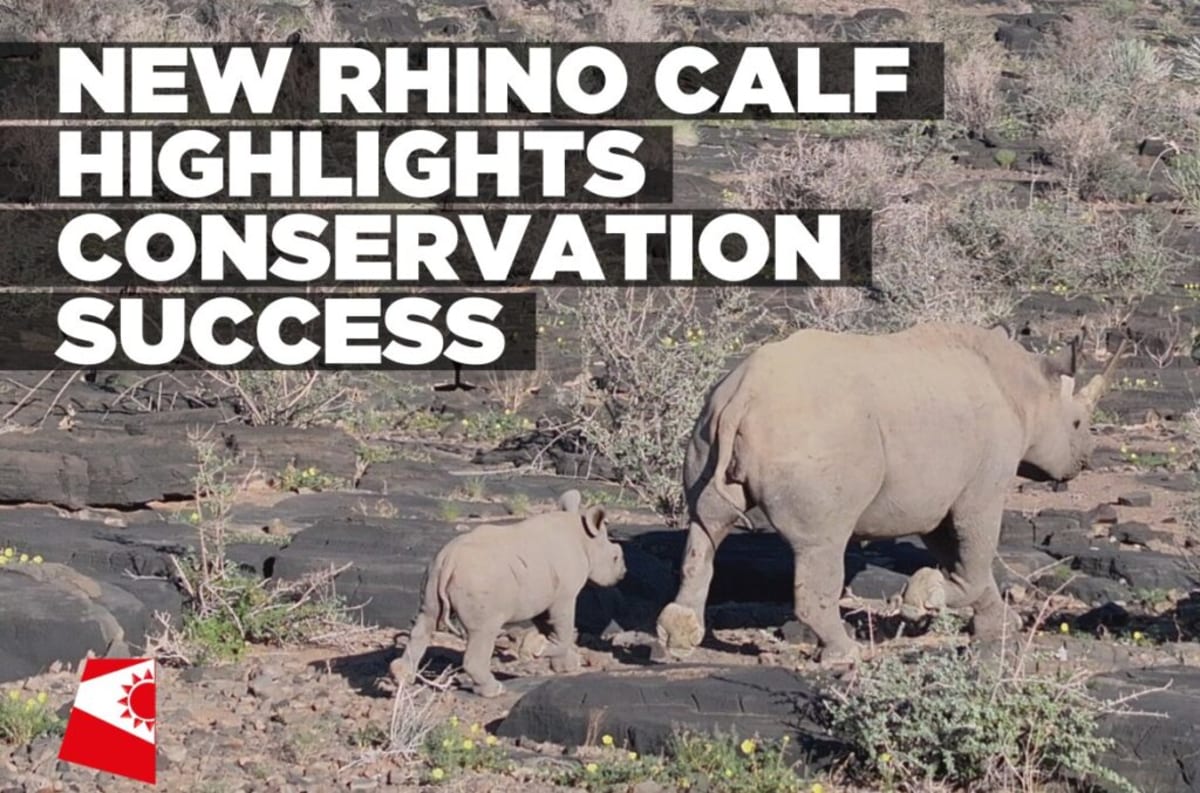
A critically endangered black rhino calf has been born at Namibia's Gondwana sanctuary, offering new hope for a species fighting for survival. The healthy newborn is already exploring its home with its mother, marking a major win for conservation.
After vanishing from Namibia's Fish River Canyon region two centuries ago, black rhinos are not just surviving but thriving, with a new calf born in what's becoming one of the world's largest sanctuaries. This restoration proves that even species on the brink can bounce back with smart conservation and community partnership.
Showing 20 of 123