Indian Rhinos Return: 35 Calves Born in Manas Park
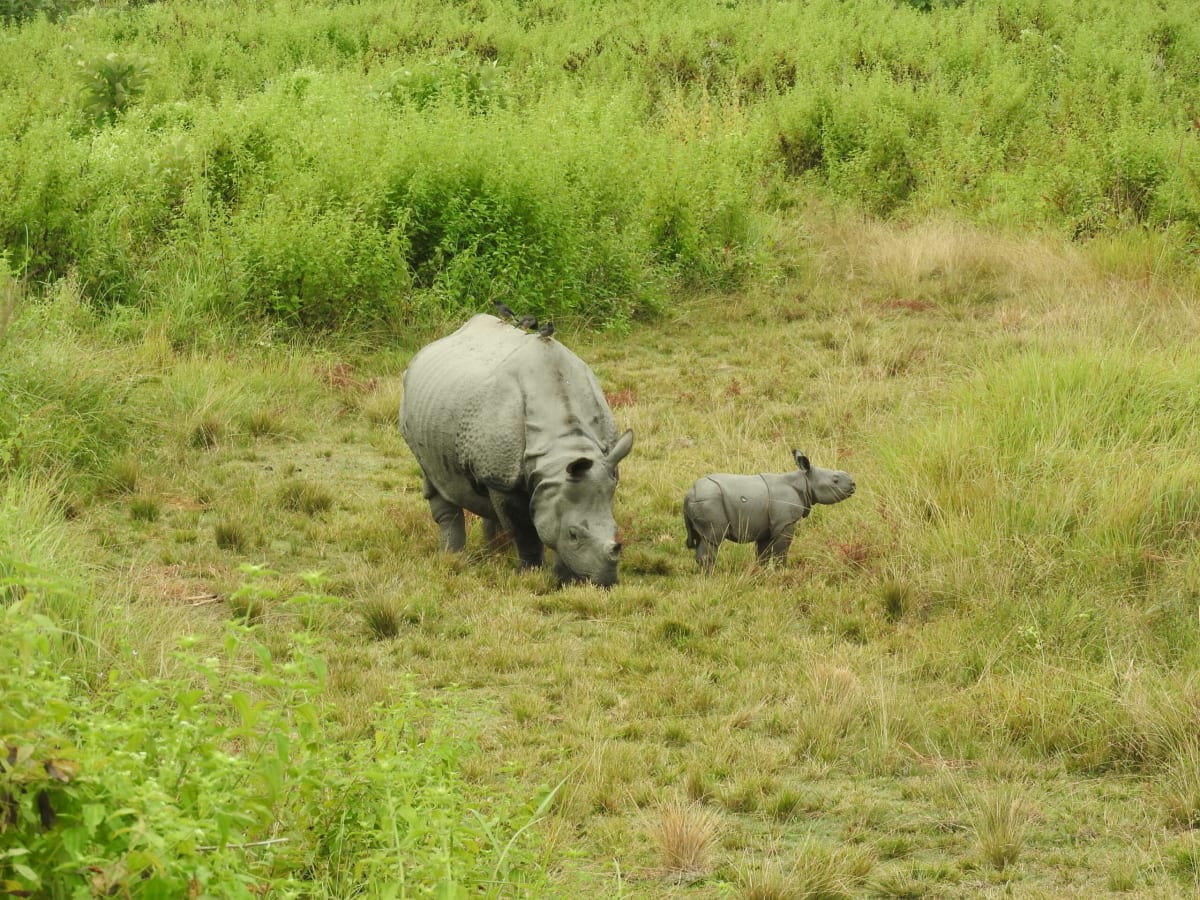
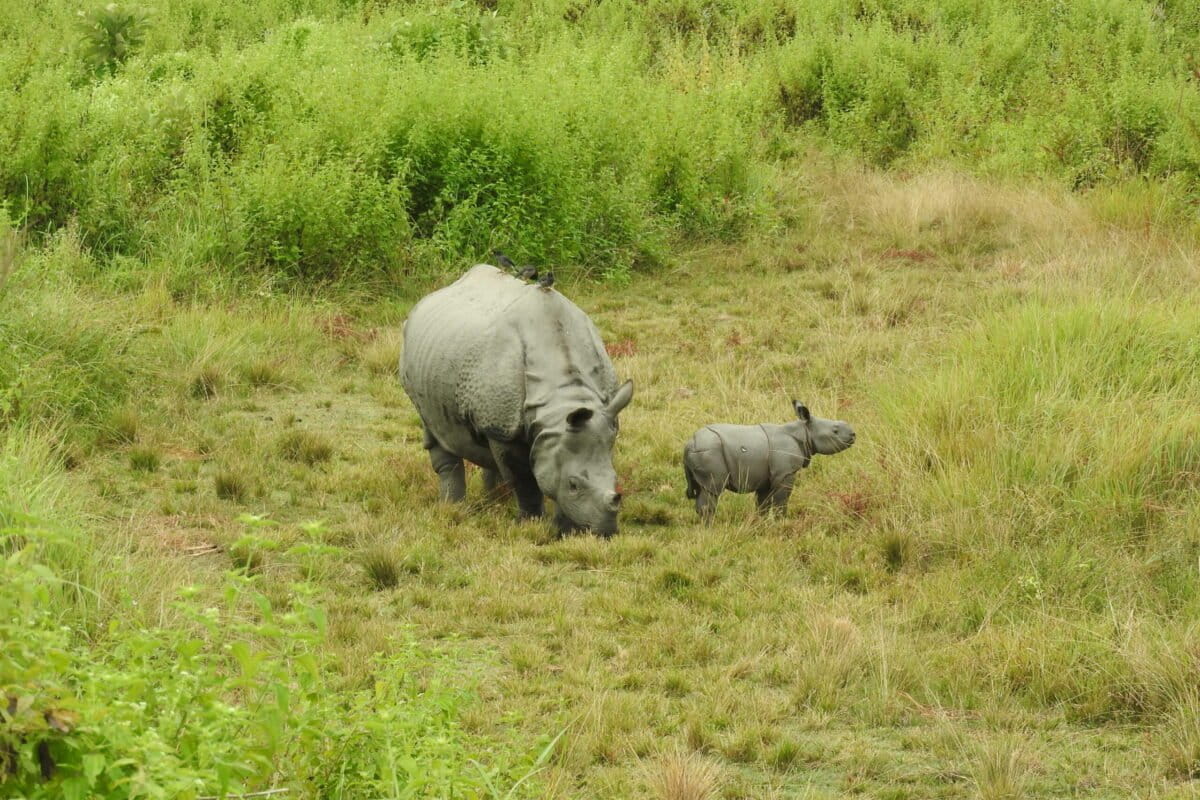
After poachers wiped out nearly 100 rhinos by the late 1990s, India's Manas National Park is celebrating a comeback. Over the past decade, 35 calves have been born to reintroduced rhinos, proving these magnificent animals can thrive again in their ancestral home.
After poachers wiped out nearly 100 rhinos by the late 1990s, India's Manas National Park is celebrating a comeback that proves conservation works.
Manas National Park sits in the Himalayan foothills of Assam, India. Once home to a thriving rhino population, the park lost almost all its greater one-horned rhinos to poaching by the end of the 20th century.
Starting in 2006, conservationists launched an ambitious rescue mission. They brought 42 rhinos to Manas over 15 years through two different paths.
Twenty-two wild rhinos were carefully moved from other protected areas in Assam. Another 20 injured or orphaned rhinos were rescued, rehabilitated at a special center, and then released into Manas when they were ready.
The results exceeded expectations. Between 2012 and 2022, researchers documented 35 rhino births in the park.
Translocated wild females gave birth to 19 calves, while rehabilitated rhinos produced nine babies. Even more exciting, five calves were born to first-generation females who were themselves born in Manas.
"Breeding and calving are among the most important indicators that reintroduced rhinoceroses have adapted well to their new environment," said Deba Kumar Dutta, the study's lead author and a wildlife biologist with the Asian Rhino Specialist Group.
The decade-long study revealed an interesting pattern. Wild-caught rhinos spread throughout the park, often choosing remote areas far from human activity. Rehabilitated rhinos stayed closer to antipoaching camps and areas with regular human presence, sometimes even wandering into nearby villages at night.
The Ripple Effect
The rhino recovery at Manas shows how targeted conservation efforts can reverse even devastating wildlife losses. The success offers a blueprint for other parks trying to restore animal populations wiped out by poaching.
Beyond the numbers, these births represent genetic diversity spreading across India's protected areas. Experts now recommend managing Manas rhinos as part of a connected network with nearby Kaziranga National Park and other sanctuaries.
The work isn't finished. Early poaching losses disrupted breeding by killing some males, and the small population still faces inbreeding risks. Park managers continue removing invasive plants and maintaining water sources to keep the grassland habitat healthy.
Every new calf born in Manas proves that with dedication and smart science, we can bring iconic species back from the brink.
More Images

Based on reporting by Mongabay
This story was written by BrightWire based on verified news reports.
Spread the positivity!
Share this good news with someone who needs it