
World's Largest Rhino Trafficking Case Finally Closed
After nearly 16 years, South Africa secured convictions in the world's largest rhino horn trafficking case, signaling a major win for wildlife protection. The masterminds behind more than 1,700 charges finally faced justice, offering hope for the country's endangered rhino populations.
Justice moved slowly, but it finally arrived for South Africa's endangered rhinos.
A South African court sentenced two major wildlife traffickers in what authorities call the world's largest rhino horn case, closing a chapter that began nearly two decades ago. Dawie Groenewald, identified as the operation's mastermind, received a fine of 2 million rand (about $92,000) or four years in prison after facing more than 1,700 charges including illegal hunting, dehorning, racketeering, and money laundering.
His accomplice Tielman Erasmus was fined 100,000 rand or three years imprisonment. Both sentences came through plea deals with the state, marking a significant milestone for South Africa's Directorate for Priority Crime Investigation.
The case began in 2007 when police first started investigating the criminal enterprise. In 2010, authorities arrested 11 people including professional hunters, veterinary surgeons, a helicopter pilot, and general workers all connected to the illegal operation.
The 15-year delay tested everyone's patience, with legal challenges reaching all the way to the constitutional court. Two of the original accused and 10 of the state's 185 witnesses died during the lengthy process, while others emigrated.
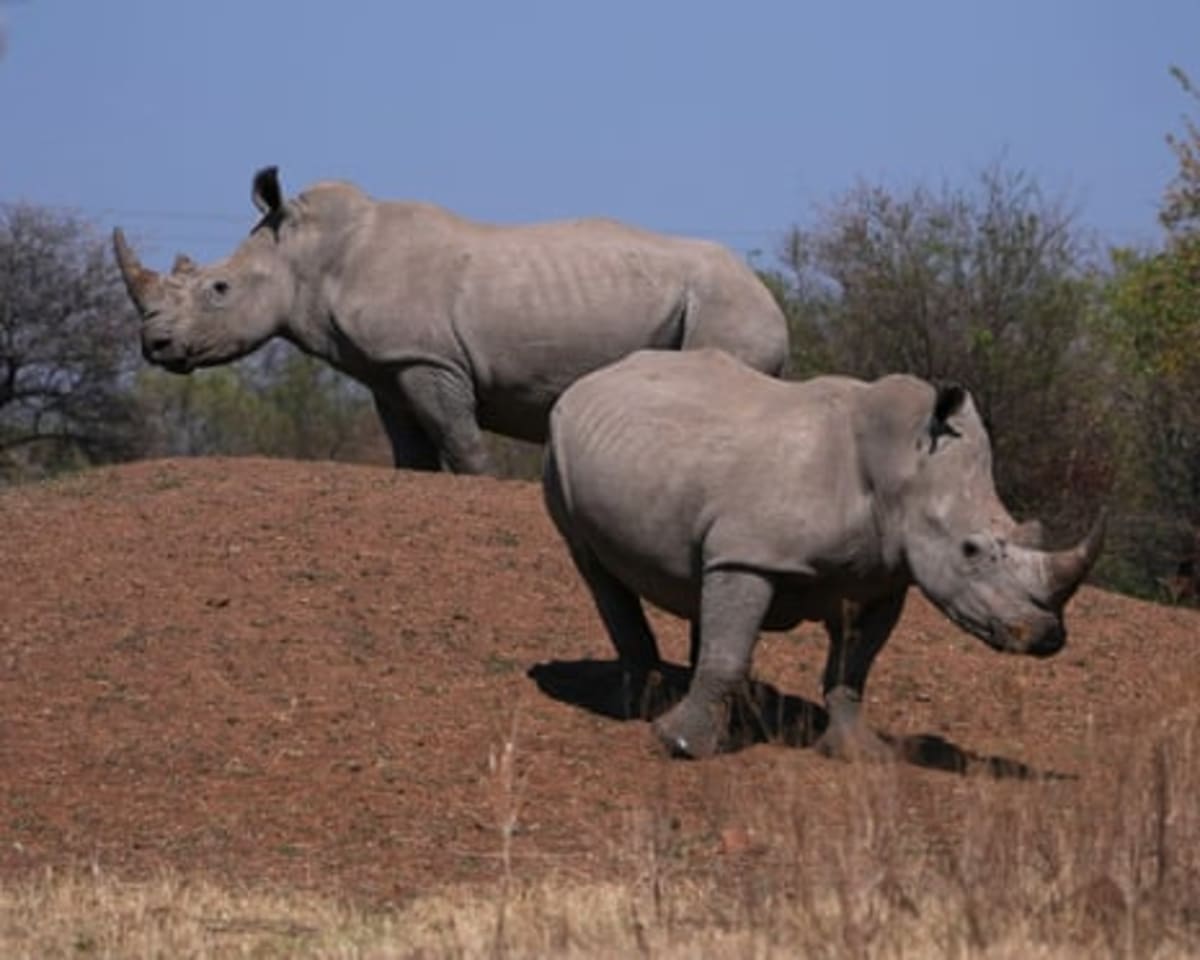
South Africa protects about a third of the world's critically endangered black rhinos and more than 75% of all southern white rhinos. Those numbers matter more than ever, as the global white rhino population dropped 10% in 2024 to fewer than 16,000.
The country faces intense poaching pressure, accounting for 81% of all African rhino poaching cases in 2024 according to the International Rhino Foundation. Rhino horn fetches tens of thousands of dollars per tonne on the black market despite having no proven health benefits for humans.
The Bright Side
This conviction proves that even the most complex wildlife trafficking networks can be dismantled. The case involved international cooperation, with the U.S. Justice Department accusing the Groenewald brothers in 2014 of selling illegal rhino hunting trips to Americans under false pretenses.
Research shows that dehorning rhinos reduces poaching by 80%, and successful prosecutions like this one add another powerful deterrent. Every trafficker sentenced sends a clear message that South Africa takes wildlife protection seriously.
Three additional defendants face court proceedings on August 20, showing authorities remain committed to seeing the case through to its end. After nearly 16 years of persistence, justice is proving that protecting endangered species matters more than profits.
More Images

Based on reporting by Guardian Environment
This story was written by BrightWire based on verified news reports.
Spread the positivity!
Share this good news with someone who needs it

%2Ffile%2Fattachments%2Forphans%2FMC-Cycle-fundraiser1_534277.jpg)