Mozambique Welcomes White Rhinos After Decades of Extinction
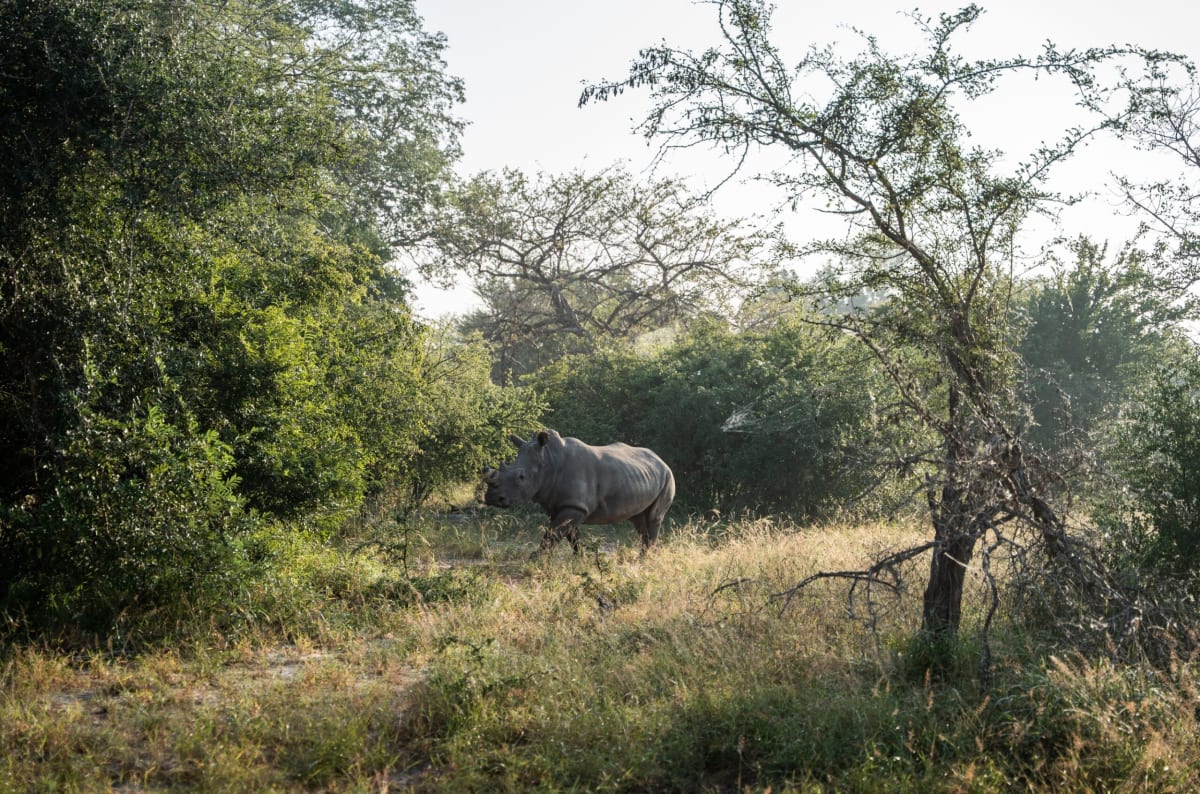
Nine female white rhinos arrived in Mozambique's Zinave National Park this June, completing a 10-year mission to restore a breeding population wiped out by civil war. The park now hosts 52 rhinos that will help rebuild ecosystems and potentially populate other parks across the country.
For the first time in decades, Mozambique has a thriving population of white rhinos ready to raise the next generation.
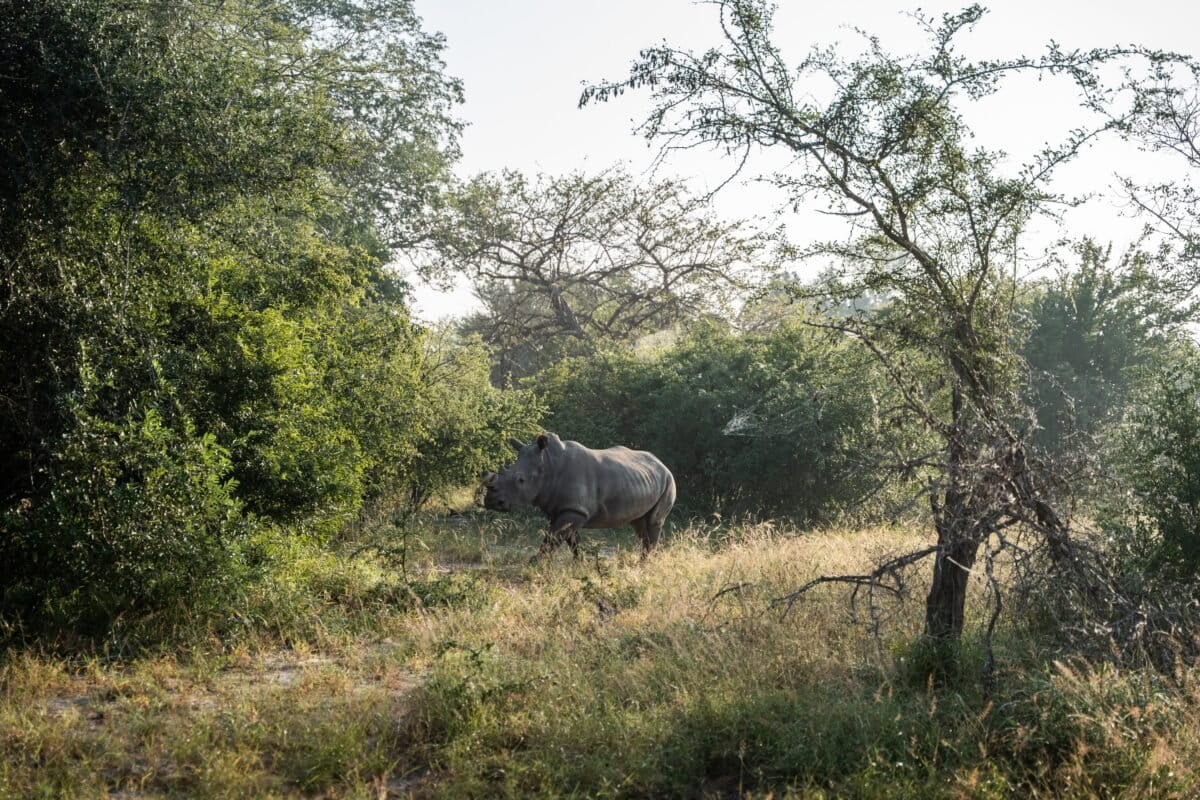
Nine female white rhinos made the two-day journey from South Africa to Zinave National Park in early June, joining 30 white rhinos and 22 black rhinos already living there. Their arrival marks the final piece of a careful 10-year puzzle to bring these massive grazers back to a park once called "silent" after civil war devastated its wildlife.
"You could almost sense the very low levels of life with insects and birds and smells and sounds," said Antony Alexander, regional manager for Peace Parks Foundation, which manages the park. "That's changed dramatically over the last 10 years."
Zinave National Park covers nearly 1,580 square miles in southern Mozambique. Since 2016, conservationists have reintroduced critically endangered black rhinos, endangered African elephants, vulnerable leopards, spotted hyenas, and zebras to the landscape.
The rhinos do more than just roam the grasslands. As bulk grazers, they munch through enormous amounts of grass, naturally reducing wildfire risk in dry conditions.
Lower grass levels also create better homes for impalas, wildebeests, and countless insects and birds. The ecosystem becomes richer and more balanced with every rhino that returns.
The Ripple Effect
Five black rhino calves and two white rhino calves have already been born and raised successfully in Zinave. These babies represent hope not just for one park, but for all of Mozambique.
The rhino population can potentially expand across the entire country as offspring grow and thrive. Alexander envisions Zinave becoming a feeder population, with rhinos eventually transferred to establish herds in other Mozambican parks.
"The translocation went fantastically well," Alexander said after the latest arrivals settled into their new home. "I'm sure they're happy to be in the wild again."
Success like this doesn't happen overnight. Alexander emphasizes that conservation efforts require many years of planning and preparation, but the payoff transforms entire landscapes.
A park once nearly empty of life now echoes with the sounds of one of nature's most iconic species raising their young in safety.
More Images

Based on reporting by Mongabay
This story was written by BrightWire based on verified news reports.
Spread the positivity!
Share this good news with someone who needs it