Indonesia Finds 18 Ancient Coelacanths in One Cave
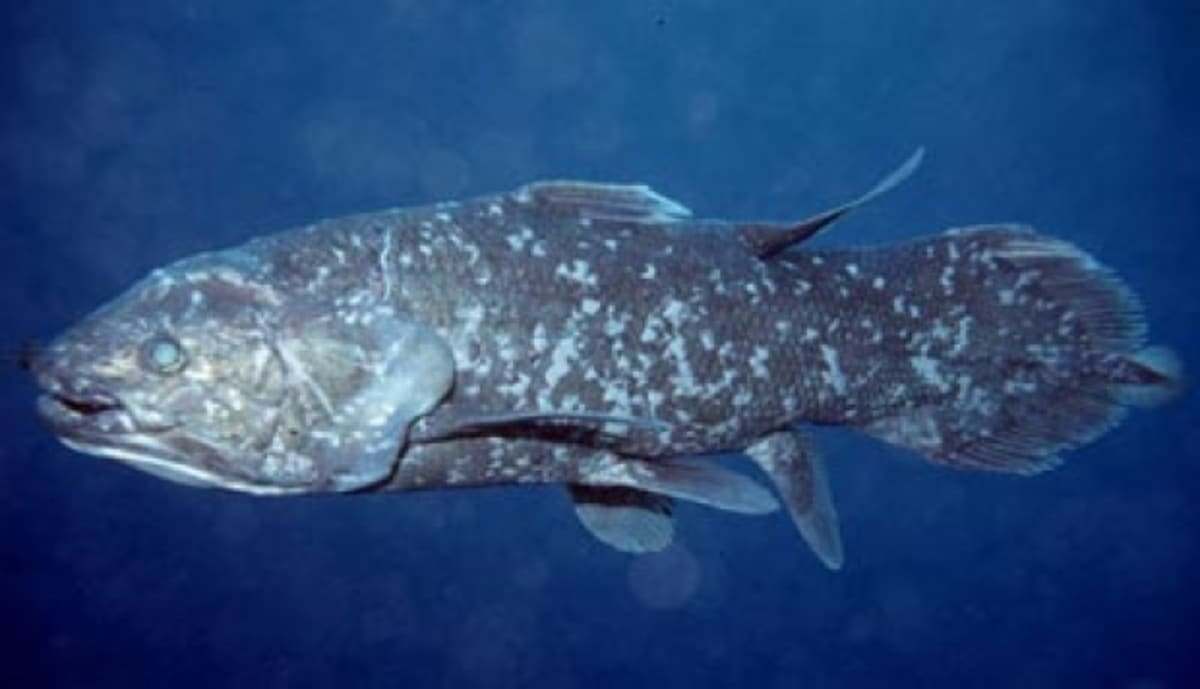
Scientists discovered 11 rare coelacanth fish living together in a single underwater cave near Indonesia, more than doubling the number previously found at the site. The breakthrough brings new hope for saving a species that has survived 400 million years.
Imagine finding 11 living fossils swimming together in a hidden underwater cave. That's exactly what happened when scientists returned to Talise Island in North Sulawesi, Indonesia, where they had previously spotted just four of the world's rarest fish.
The coelacanth has survived since the age of dinosaurs, earning its nickname as a "living fossil." Scientists once thought it went extinct 66 million years ago until fishermen caught one off South Africa in 1938.
Researchers from Indonesia's Sam Ratulangi University, the National Research and Innovation Agency (BRIN), OceanX, and Japan's NHK explored the same underwater cave they first studied in 2009. This time, they documented 18 coelacanths total across the area, with 11 sharing a single cave home.
Alex Masengi, who has studied these ancient fish for over 20 years, called the discovery a major milestone. His team has now identified 52 individual coelacanths in Indonesian waters since research began in 2004.
The scientists used cutting edge technology to learn more about the mysterious species. A CT scan of one fish revealed 22 eggs inside, offering rare insights into how coelacanths reproduce.
They also discovered a juvenile coelacanth measuring just 26 centimeters in nearby Amurang Bay. Finding young fish gives scientists hope that the population can sustain itself for generations to come.
The research confirmed that coelacanth habitat in Indonesia stretches from Biak in Papua all the way to Buol in Central Sulawesi. Indonesian waters appear to be crucial for the species' survival worldwide.
The Ripple Effect
This discovery is transforming conservation efforts across Indonesia. The North Sulawesi Provincial Government submitted paperwork in July 2026 to designate Talise Island waters as an official coelacanth habitat reserve park.
Once approved, researchers plan to nominate the site as a UNESCO World Heritage Site. The location sits in the Coral Triangle, one of Earth's most biodiverse marine regions.
Augy Syahailatua from BRIN explained that protecting coelacanths does more than save an endangered species. The conservation area will support scientific research, education programs, and ecotourism that benefits local communities.
The project could position Indonesia as a global center for marine biodiversity research. Tourists and scientists from around the world may soon visit to witness these incredible survivors in their natural home.
After swimming Earth's oceans for 400 million years, these ancient fish now have a fighting chance at 400 million more.
More Images



Based on reporting by Google News - Tech Breakthrough
This story was written by BrightWire based on verified news reports.
Spread the positivity!
Share this good news with someone who needs it