India Builds 22-Mile Wildlife Bridge for Rhinos, Elephants
India just broke ground on a revolutionary elevated highway that lets rhinos, tigers, and elephants cross safely underneath while traffic flows above. The $850 million Kaziranga Corridor could save hundreds of animal lives each year while connecting communities across Assam.
Imagine a highway where cars zoom overhead while rhinos and elephants walk freely beneath, neither threatening the other. That's exactly what India started building this week in Assam, home to two-thirds of the world's one-horned rhinos.
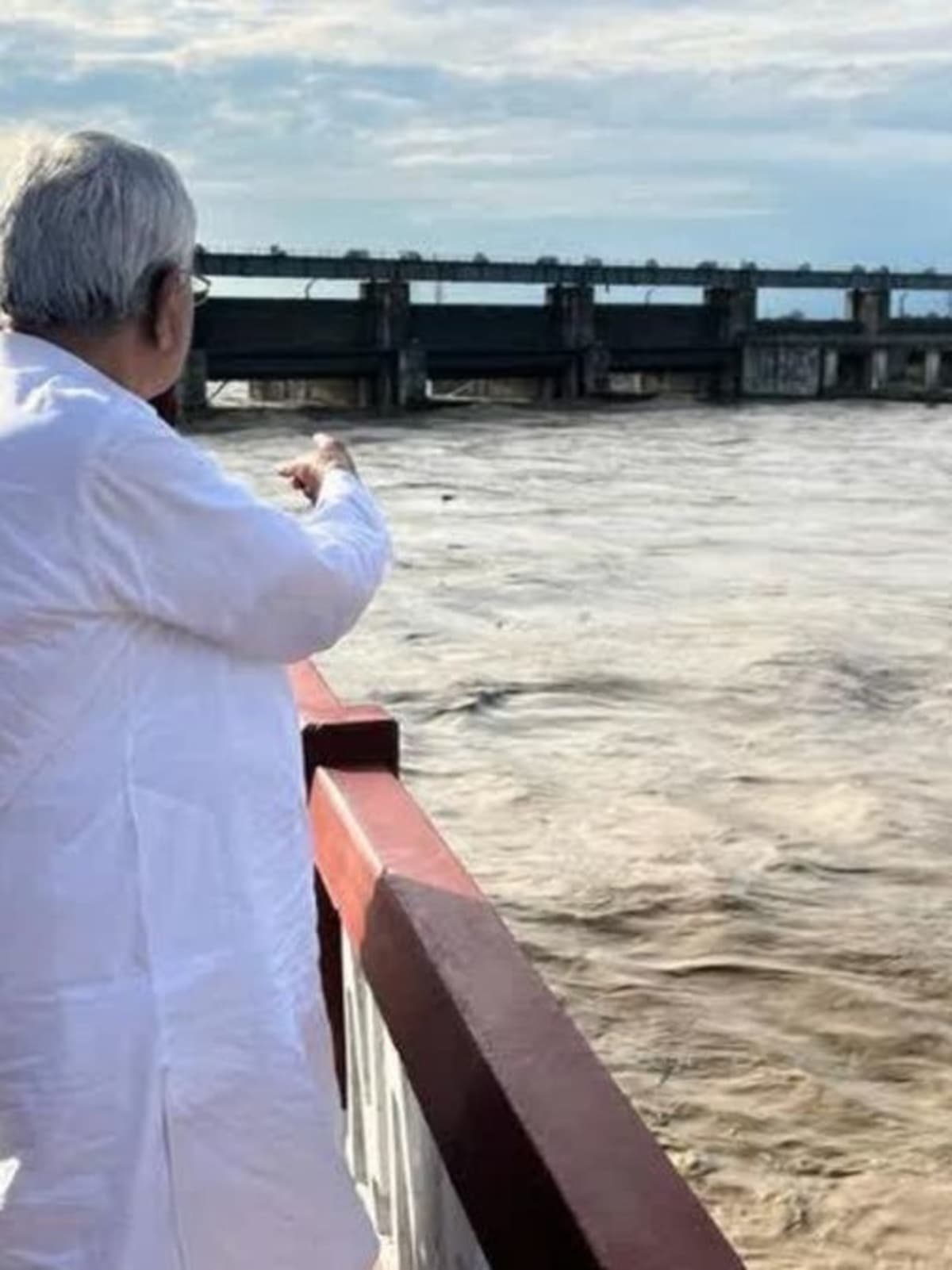
Prime Minister Narendra Modi launched construction on the Kaziranga Elevated Corridor, a 22-mile raised highway stretching across one of Asia's most important wildlife zones. The project tackles a heartbreaking problem: every monsoon season, floods force rhinos, tigers, and elephants out of Kaziranga National Park and straight into deadly highway traffic.
The $850 million project redesigns 53 miles of National Highway 715, with the centerpiece being that 22-mile elevated section. Engineers designed the corridor to follow the ancient migration paths animals have used for generations, ensuring rhinos and elephants can move to higher ground during floods without ever encountering a speeding car.
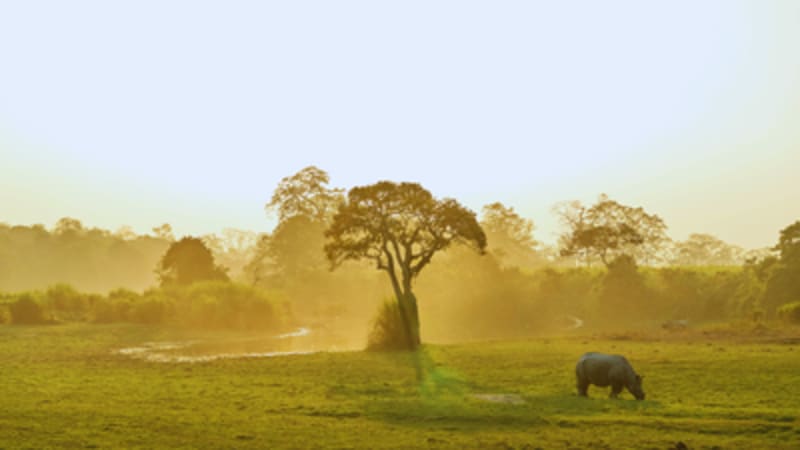
The timing couldn't be more critical. Kaziranga, a UNESCO World Heritage Site, hosts over 2,400 one-horned rhinos along with significant populations of tigers and elephants. But the national highway cutting through their territory has become a death trap during monsoons when animals desperately seek dry land.
Modi recalled camping overnight in Kaziranga and watching the sunrise on an elephant safari. He described the park as "the soul of Assam" and emphasized how the project proves development and conservation can work together instead of against each other.
The Ripple Effect
The benefits extend far beyond wildlife protection. Three districts in Upper Assam will gain dramatically improved connectivity, cutting travel times and boosting regional trade. New bypasses around congested towns like Jakhalabandha and Bokakhat will ease daily commutes for thousands of residents.
Road safety will improve for everyone. Drivers currently face dangerous encounters with confused, frightened animals during flood season, leading to crashes that harm both humans and wildlife. The elevated design eliminates those terrifying confrontations entirely.
The corridor also strengthens connections between Assam and neighboring Arunachal Pradesh, opening economic opportunities for communities that have long struggled with inadequate infrastructure. Better roads mean farmers can get crops to market faster, students can reach schools more easily, and emergency services can respond quicker.
Construction teams will widen 19 miles of existing two-lane highway to four lanes and build 13 miles of new bypass roads, all while maintaining environmental protections. The project represents a blueprint other countries could follow when highways intersect with critical wildlife habitats.
India is showing the world that protecting endangered species and building modern infrastructure aren't opposing goals but complementary ones that require creativity and commitment.
More Images


Based on reporting by Times of India - Good News
This story was written by BrightWire based on verified news reports.
Spread the positivity!
Share this good news with someone who needs it