Giant Star Clusters May Have Reignited the Universe
Scientists discovered how massive star groups escape their birth clouds millions of years faster than smaller ones, potentially solving a cosmic mystery about how the universe lit up again after the Big Bang. The findings could explain what happened during a crucial period 500 million years after creation.
Two of humanity's most powerful telescopes just revealed how the universe might have turned its lights back on after going dark.
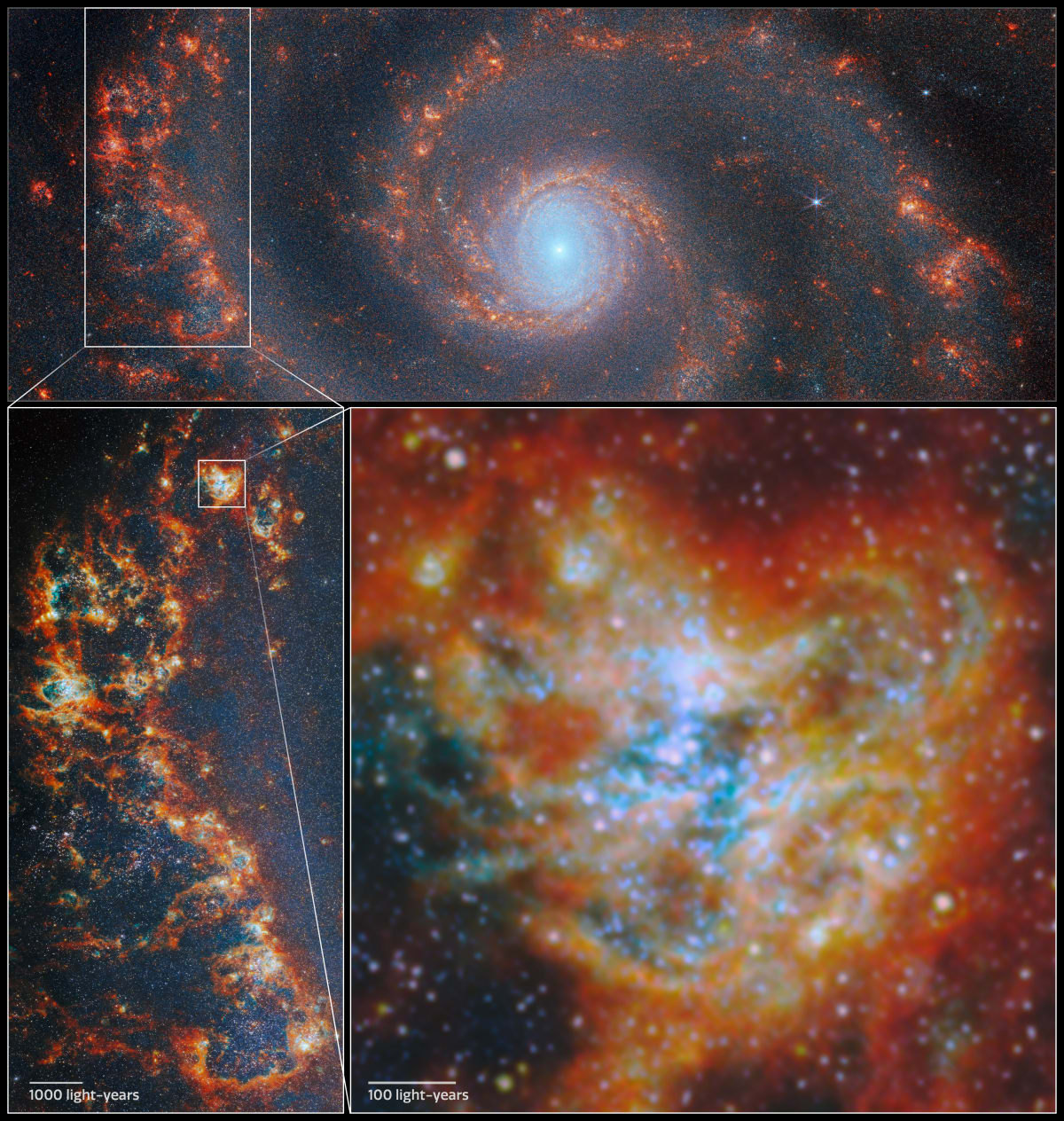
NASA's James Webb Space Telescope and Hubble joined forces to study the stunning Whirlpool Galaxy, located 31 million light-years away. Their combined vision captured something remarkable: massive groups of newborn stars break free from their dusty birth clouds in just 5 million years, while smaller star groups take up to 8 million years to emerge.
That might sound like splitting cosmic hairs, but those 3 million years could explain one of astronomy's biggest mysteries.
After the Big Bang, the universe cooled down and went dark as electrons and protons combined into neutral atoms. Then something incredible happened between 500 million and 1 billion years later. An unknown energy source separated those atoms again, flooding the universe with light during a period scientists call reionization.
The team at the University of Massachusetts Amherst believes they've found the culprit: those massive star clusters breaking free early enough to blast the universe with intense ultraviolet radiation.
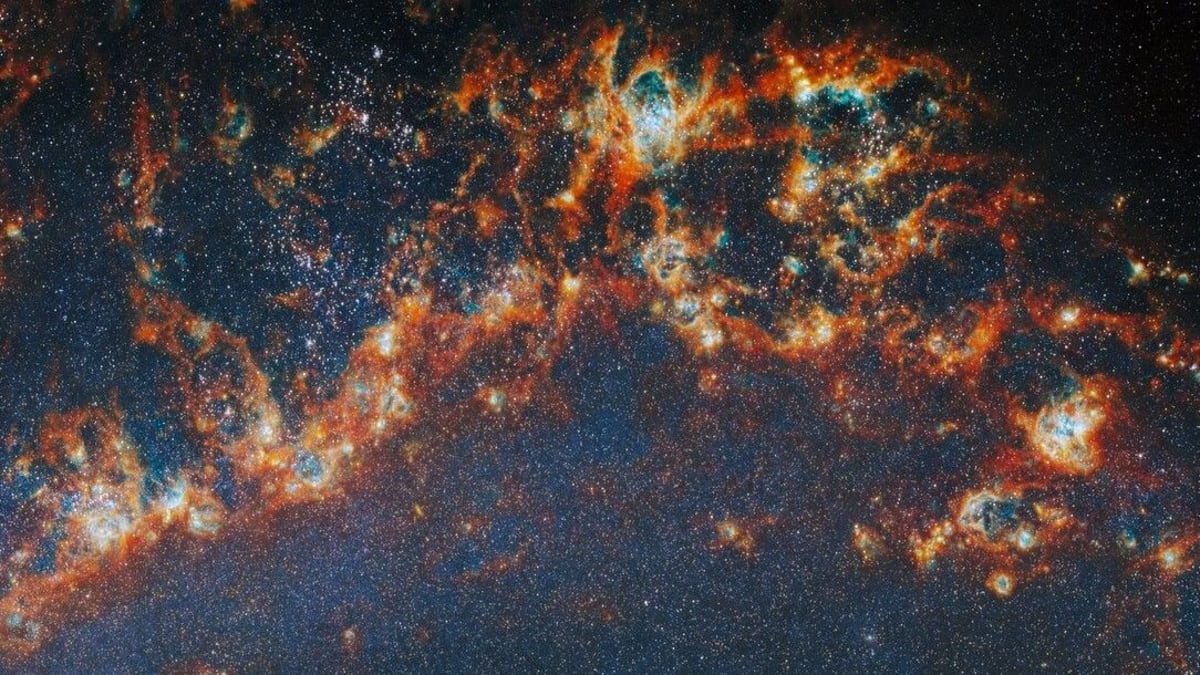
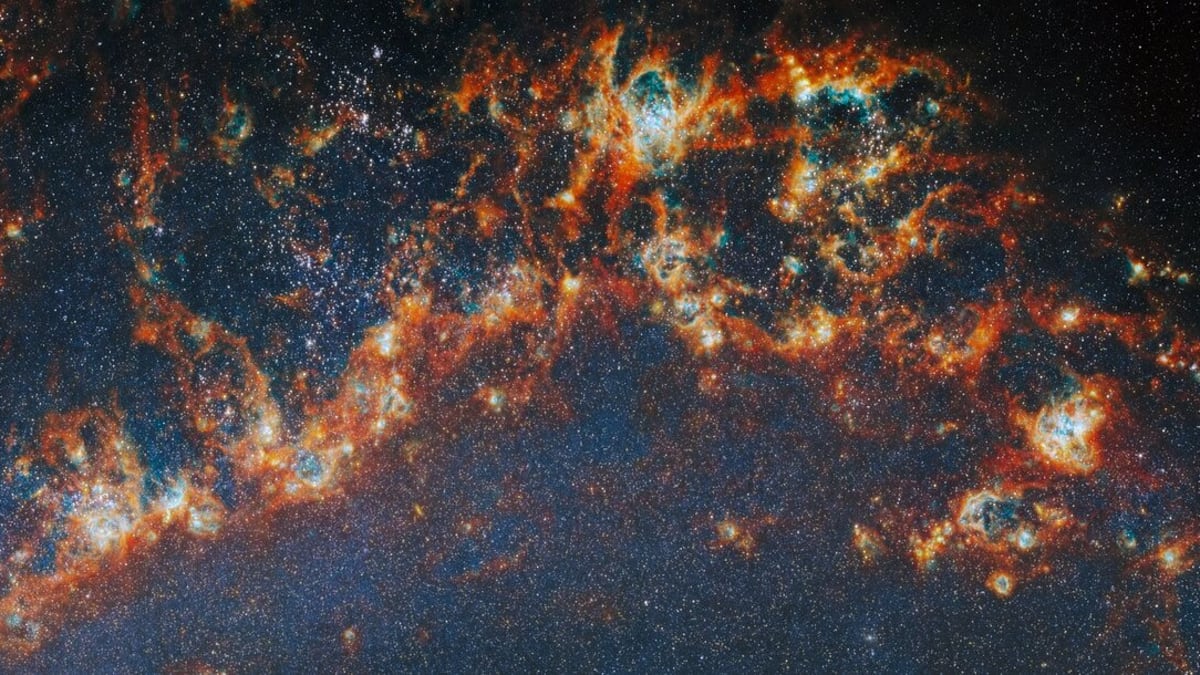
The images themselves tell the story beautifully. Red-orange threads of gas and dust stretch across space like cosmic ribbons. Blue bubbles glow from within as newborn stars push away surrounding material with stellar winds and supernova explosions. White clusters of stars shine through gaps where the gas has cleared.
This process, called stellar feedback, prevents all of a galaxy's gas from turning into stars at once. It's like a cosmic thermostat keeping galaxy formation balanced.
Scientists combined infrared data from Webb with visible light from Hubble to see through the dust clouds hiding these stellar nurseries. Webb's infrared vision revealed stars that would remain completely invisible to normal telescopes.
Why This Inspires
This discovery connects the tiniest details of star formation to the grandest question about our existence: how did the universe become the bright, star-filled cosmos we see today?
The research, published May 6 in Nature Astronomy, shows how teamwork between different telescopes can solve puzzles that have stumped scientists for decades. By studying a galaxy millions of light-years away, researchers pieced together what happened billions of years ago.
It's a reminder that every answer in science leads to deeper understanding, and the tools we build today help us see both further into space and further back in time.
The universe didn't just happen once—it keeps revealing its story, one spectacular image at a time.
More Images


Based on reporting by Live Science
This story was written by BrightWire based on verified news reports.
Spread the positivity!
Share this good news with someone who needs it