Gibraltar Monkeys Eat Dirt to Fight Tourist Junk Food
Wild monkeys in Gibraltar are intentionally eating soil to soothe stomach problems caused by tourists feeding them chips and candy. Scientists say it's the first time this self-medicating behavior has been documented in Europe's only wild monkey population.
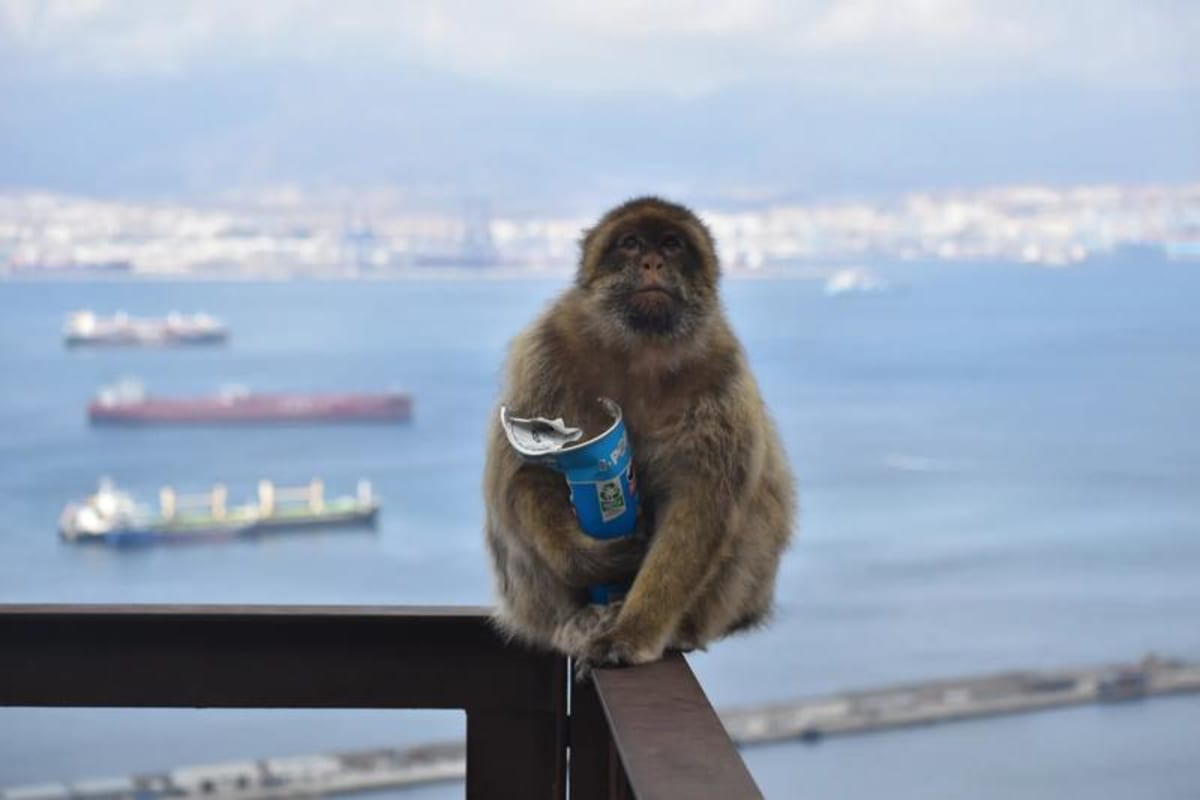
Europe's only wild monkeys have found an unusual remedy for their junk food habit. Tourists visiting Gibraltar keep feeding the island's famous Barbary macaques candy, chips, and other snacks, and the monkeys are literally eating dirt to feel better.
Scientists from the University of Cambridge spent over 612 hours watching the monkeys and documented something remarkable. At least 44 different macaques were caught eating soil, clay, and dirt in what researchers call "geophagy," a self-medicating behavior previously seen in other animals but never formally recorded in Gibraltar's monkeys.
The connection to tourism became clear quickly. Monkeys living near tourist hotspots did it more often, and the dirt eating happened across different monkey groups, both males and females, throughout the year.
Lead researcher Sylvain Lemoine believes the macaques started this behavior to protect their stomachs from foods their bodies weren't designed to handle. While wild macaques normally eat seeds, fruits, and vegetables, tourist snacks make up nearly 20 percent of their eating time now.
The soil acts like a natural antacid. It provides helpful bacteria and minerals while forming a protective barrier in their digestive systems, fighting off nausea and diarrhea caused by fatty, salty, and sugary foods.
The monkeys face the same biological trap that humans do. "We evolved to seek out and store energy-dense fats and sugars to survive periods of scarcity, leading us to crave high-calorie junk food," Lemoine explained. That same ancient survival mechanism makes the macaques keep reaching for tourist treats even when it makes them sick.
Why This Inspires
This discovery shows nature's remarkable adaptability. These monkeys didn't wait for humans to solve the problem they created. They found their own solution, passing knowledge through their groups and adjusting their behavior to survive in a changing world.
The research also offers hope for better wildlife management. Understanding how tourism affects these animals gives Gibraltar officials the information they need to protect the monkeys while still welcoming visitors.
It's a reminder that wildlife can be surprisingly resourceful, but it's also a gentle nudge that we can do better. The monkeys are adapting to us, and now we have the chance to adapt our behavior for them.
More Images


Based on reporting by Scientific American
This story was written by BrightWire based on verified news reports.
Spread the positivity!
Share this good news with someone who needs it