The Ozone Hole Is Healing—And Here's What Fixed It
Remember acid rain and the ozone hole that terrified us in the 1980s? Thanks to global action and smart policy, these crises are actually getting better.
The environmental disasters that once dominated headlines haven't vanished because we stopped caring. They're fading because we actually fixed them.
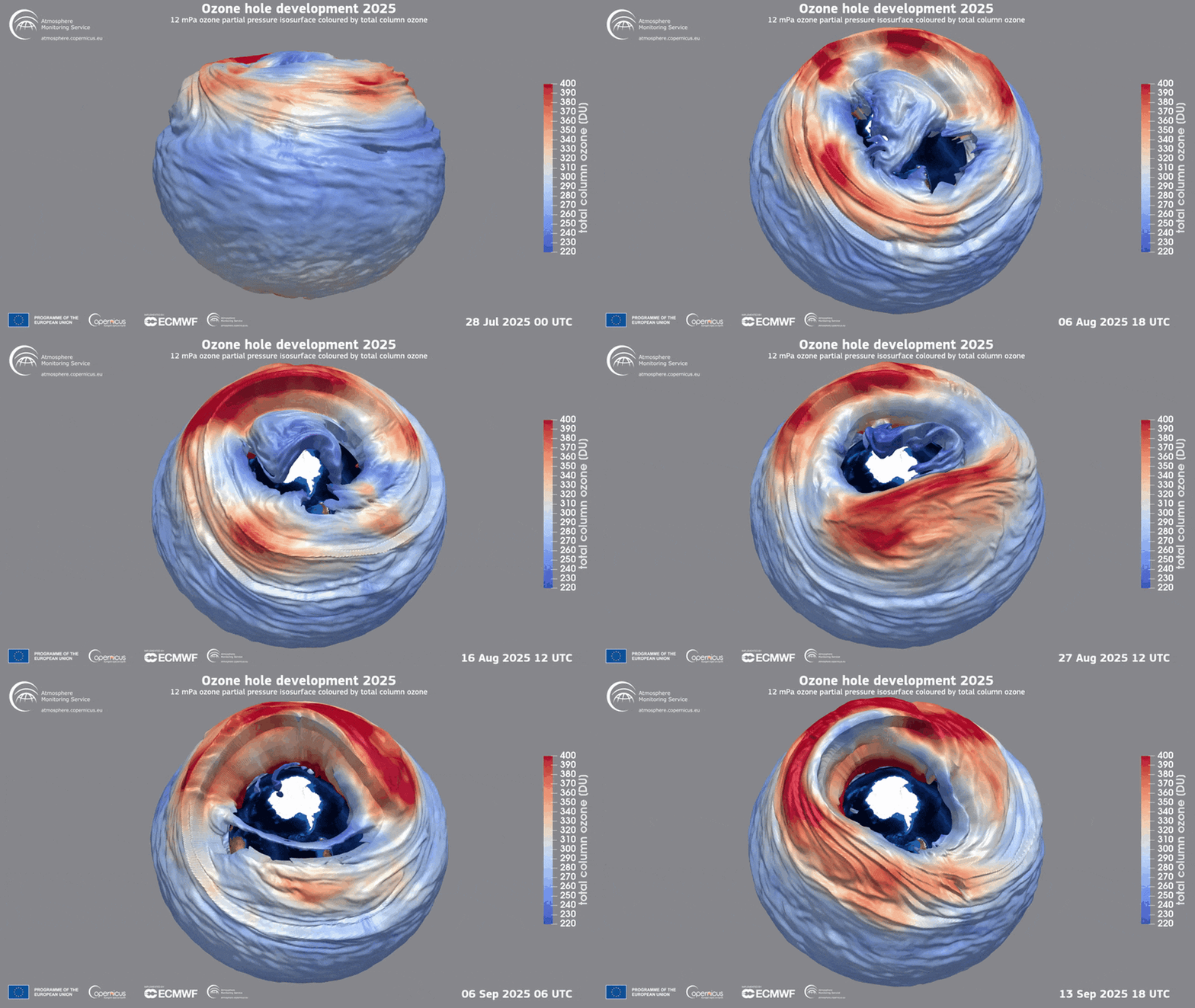
In 1985, scientists discovered a massive hole in Earth's protective ozone layer opening every spring over Antarctica. The culprits were chemicals called CFCs, commonly used in refrigerators and aerosol sprays, which destroyed the ozone molecules that shield us from harmful UV rays.
What happened next was remarkable. Just two years later, every nation on Earth signed the Montreal Protocol, agreeing to phase out CFCs. It became the first UN treaty ever to achieve universal ratification.
The results speak for themselves. CFC levels have plummeted, and the ozone layer has begun its slow recovery. Scientists predict it will return to 1980 levels over most of the world by 2040, with Antarctica following by the mid-2060s.
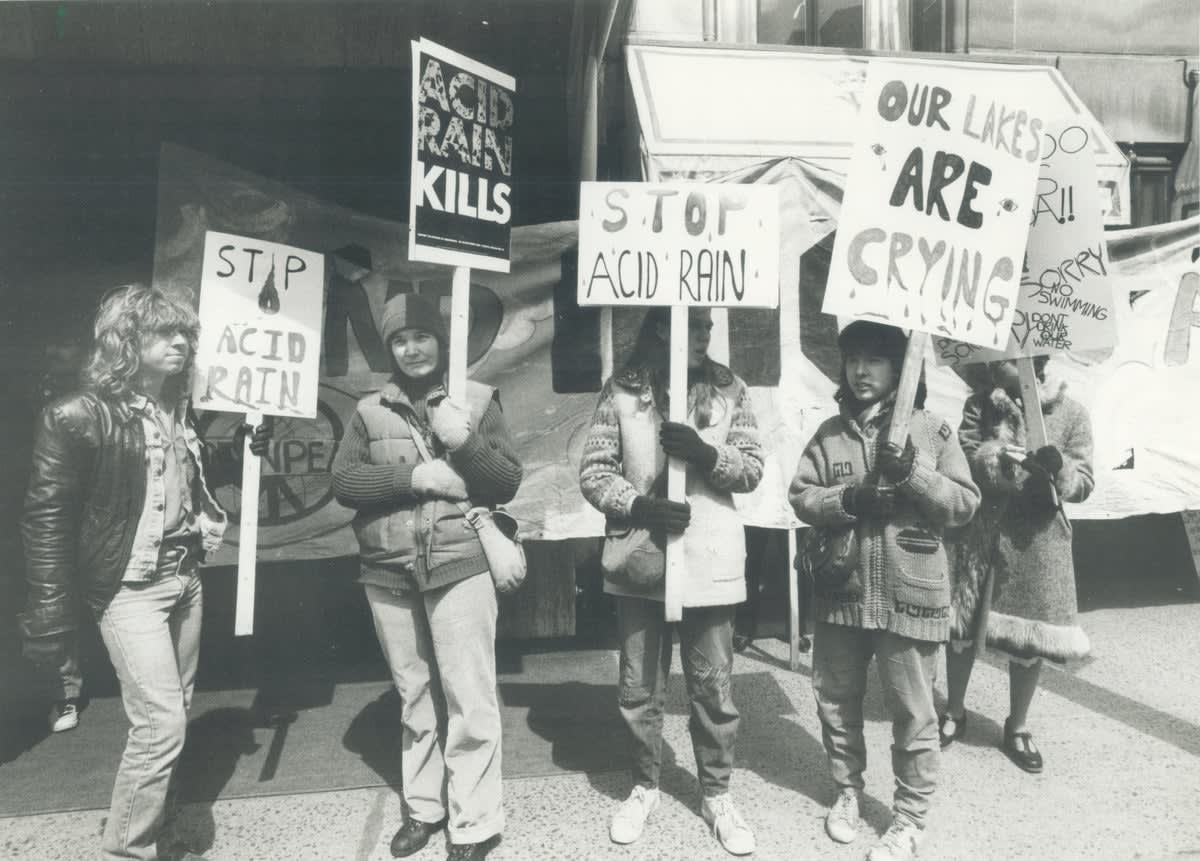
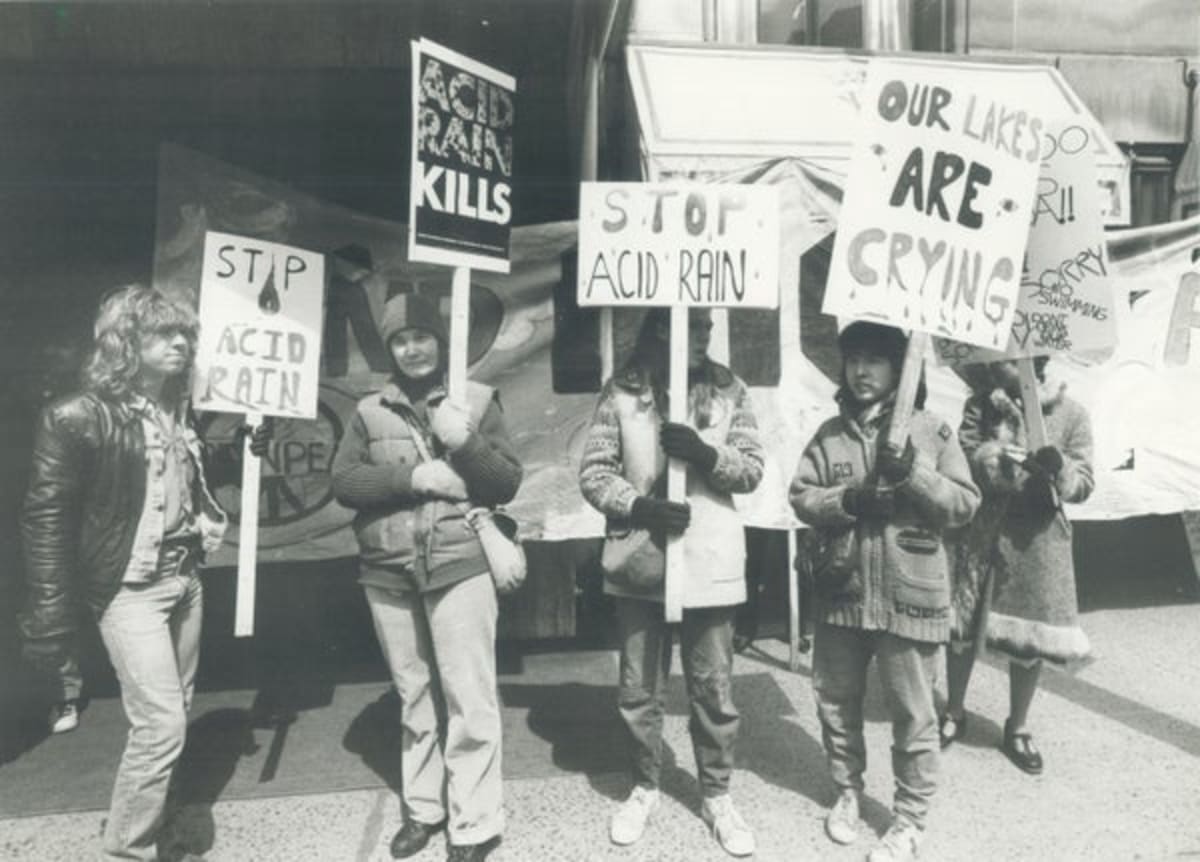
Acid rain tells a similar success story. Throughout the 1980s and 1990s, images of dissolved statues and bare trees filled the news as sulfur dioxide and nitrogen oxides from burning fossil fuels created rain acidic enough to eat away stone and harm ecosystems.
The U.S. Clean Air Act created a system that gradually reduced how much pollution power plants could release. Power companies added scrubbers to smokestacks and cleaned up their emissions.
Today, sulfur dioxide emissions in the U.S. have dropped 95 percent. Nitrogen oxides fell 89 percent. Wet sulfate deposition, a key indicator of acid rain, declined more than 70 percent between the early 1990s and 2020.
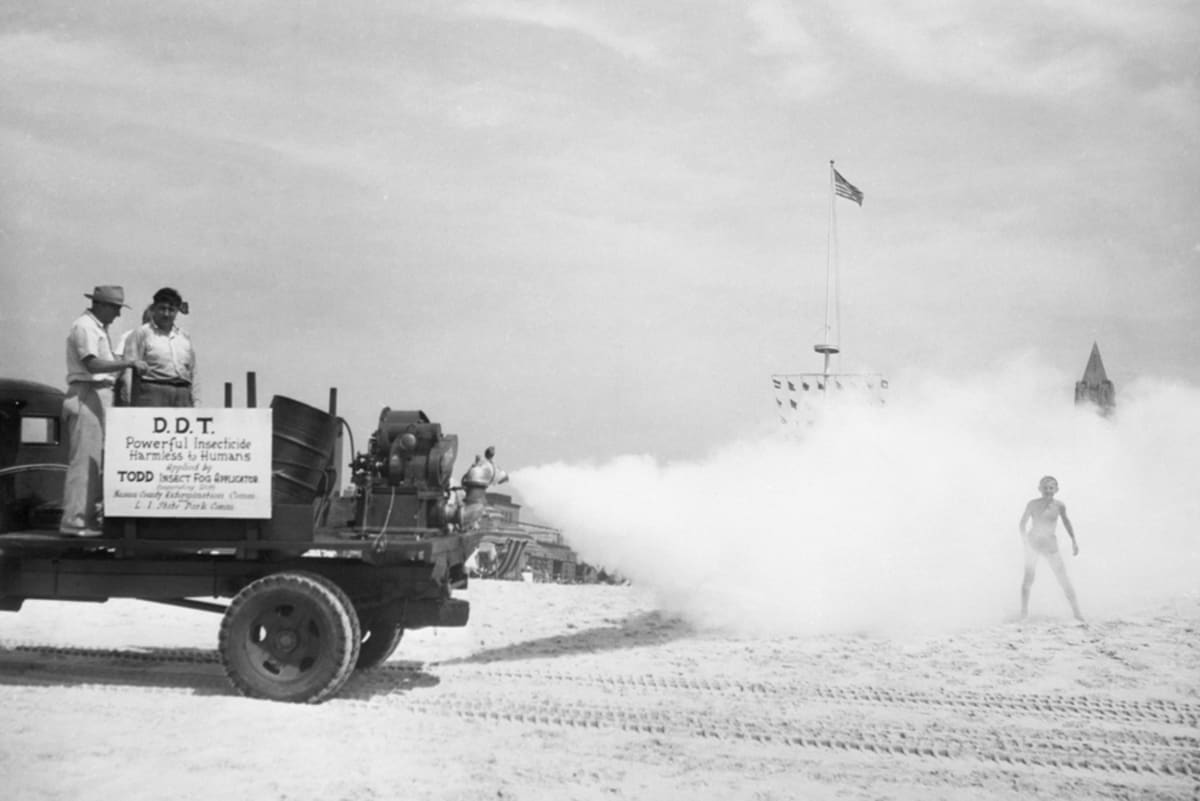
Then there's DDT. After biologist Rachel Carson's 1962 book Silent Spring revealed how the insecticide was devastating bird populations, including bald eagles, public pressure mounted. The chemical accumulated up the food chain and made eggshells so thin they broke before chicks could hatch.
The U.S. banned DDT for agricultural use in 1972. Bird populations rebounded. Bald eagles, once endangered, now thrive across America.
The Bright Side
These victories prove something powerful: when science identifies a problem, public alarm drives action, and governments respond with smart policy, we can solve even planetary-scale crises.
Environmental policy expert Durwood Zaelke calls the Montreal Protocol "the best environmental agreement we've ever created." It worked because alternatives to CFCs existed and nations chose cooperation over delay.
These aren't just old problems we happened to outgrow. They're proof that collective action works, regulations can succeed, and environmental catastrophes can be reversed when we decide to act.
The same tools that healed the ozone layer are available for today's challenges.
More Images

Based on reporting by Scientific American
This story was written by BrightWire based on verified news reports.
Spread the positivity!
Share this good news with someone who needs it