Global Economy to Grow 3.3% in 2026 Despite Trade Wars
The world economy is bouncing back stronger than expected, with AI investment and smart business moves helping nations shake off trade disruptions. The International Monetary Fund now predicts global growth will hit 3.3% in 2026, beating earlier predictions made before recent tariff troubles began.
The global economy is proving remarkably tough, adapting to trade challenges and emerging stronger than anyone predicted just months ago.
The International Monetary Fund released fresh forecasts this week showing the world economy will grow 3.3% in 2026, up from October estimates. That's the same rate expected for 2025, and both years are now forecast to perform better than predictions made before recent trade tensions heated up.
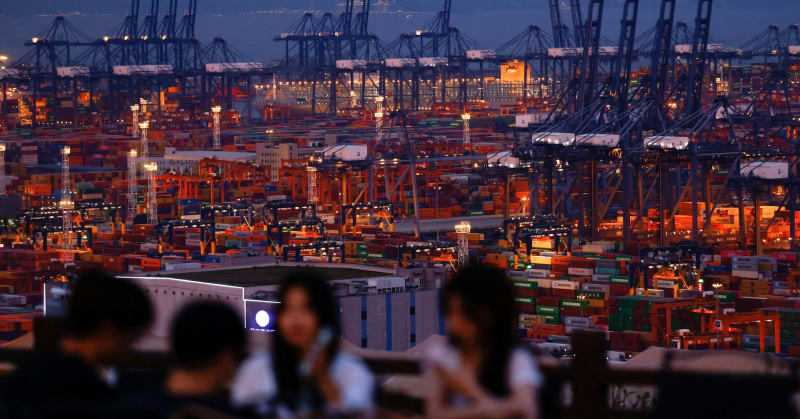
"The global economy is shaking off the trade and tariff disruptions of 2025 and is coming out ahead of what we were expecting," said Pierre-Olivier Gourinchas, the IMF's chief economist. Businesses found creative ways to adapt, rerouting supply chains and opening new markets when old trade routes became more expensive.
The AI boom deserves much of the credit for this resilience. Massive investments in artificial intelligence infrastructure, from data centers to powerful computer chips, are fueling growth across multiple countries. The United States saw its 2026 forecast jump to 2.4% growth, partly thanks to this tech spending surge.
Spain's economy got a boost too, with forecasts rising to 2.3% growth in 2026 as technology investment spreads across Europe. Even China, despite facing higher U.S. tariffs, will likely grow 4.5% in 2026 by successfully shifting more exports to Southeast Asia and Europe.
The Ripple Effect runs deeper than just numbers on a spreadsheet. If AI lives up to its promise, productivity gains could add between 0.1 and 0.8 percentage points to global growth each year over the medium term. That means more jobs, better wages, and improved living standards for millions of people worldwide.
Businesses proved they could adapt faster than expected when challenges arose. Trade agreements helped lower some tariff rates, while companies rebuilt supply chains to work around new barriers. The effective U.S. tariff rate dropped from about 25% to 18.5% as deals got done.
Inflation is cooling too, expected to fall from 4.1% in 2025 to 3.8% in 2026 and 3.4% in 2027. That gives central banks room to cut interest rates, making it easier for families to borrow for homes and businesses to invest in growth.
The euro zone will grow 1.3% in 2026, helped by increased public spending in Germany and strong performances in Spain and Ireland. Japan's new government stimulus package also lifted its growth prospects.
Challenges remain, from potential trade flare-ups to questions about whether AI can deliver on its productivity promises. But the overall story is one of resilience, adaptation, and genuine reasons for optimism about the years ahead.
Based on reporting by Google: economic growth report
This story was written by BrightWire based on verified news reports.
Spread the positivity!
Share this good news with someone who needs it