Global Health Teams Unite to Stop Congo Ebola Outbreak
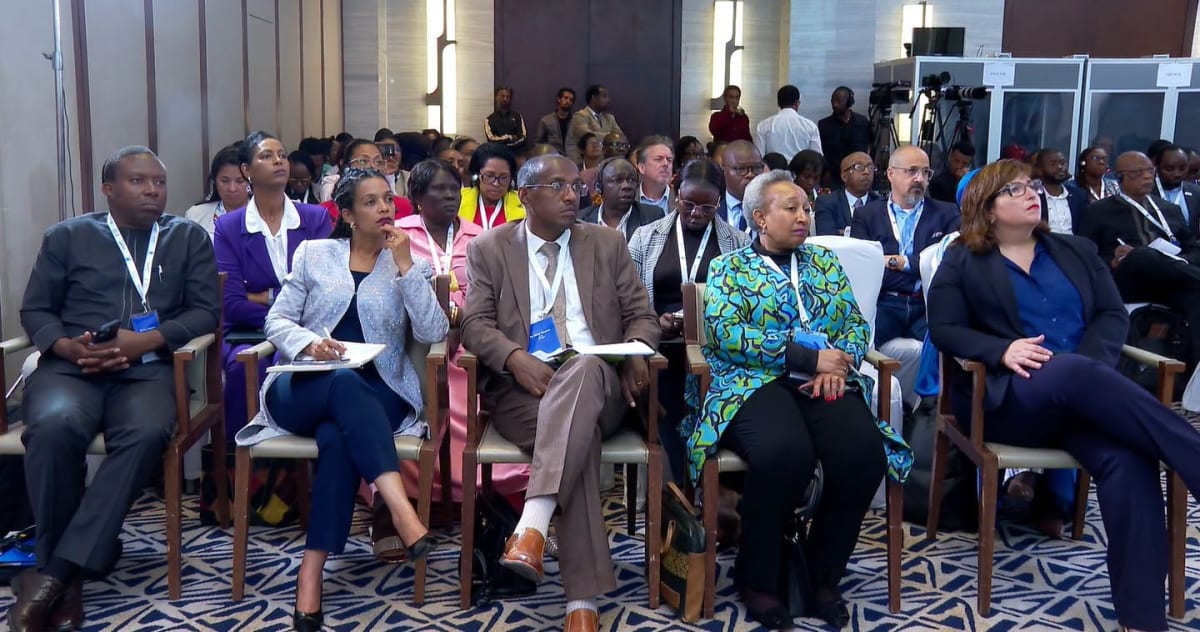
More than 220 health organizations from across Africa gathered to coordinate a rapid response to Ebola in the Democratic Republic of the Congo. The partnership shows what's possible when nations work together to protect communities.
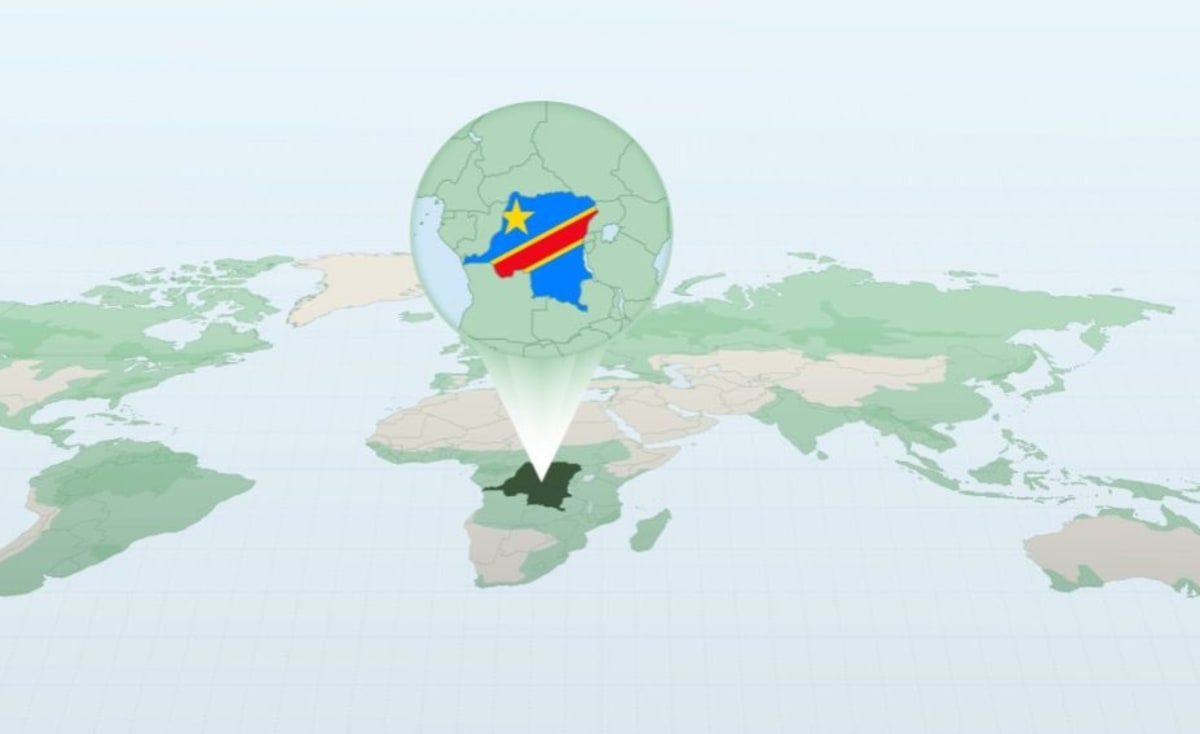
When Ebola cases appeared in the Democratic Republic of the Congo's Ituri Province in May, the world didn't wait to see what would happen next. Instead, 220 partners from governments, health organizations, and UN agencies came together to stop the outbreak before it could spread.
The World Health Organization brought everyone to the table in Brazzaville and Kinshasa. Their goal was simple: align resources, share expertise, and protect people in affected areas including Mongbwalu, Rwampara, and Bunia.
The response came with real challenges. Mining and trade activities mean people move frequently across borders, making it harder to track potential cases. Healthcare workers have been infected, and insecurity in some areas complicates access to communities that need help most.
But the international community answered with action. Médecins Sans Frontières deployed teams to support patient care and infection control in affected cities. The World Food Programme stood ready to airlift emergency supplies from Kinshasa to Bunia. The International Organization for Migration began surveillance work at border crossings linking the Congo, Uganda, and South Sudan.
WHO sent specialists in epidemiology, laboratory diagnostics, and community engagement to work alongside local health teams. They're strengthening everything from surveillance systems to clinical care, ensuring frontline workers have what they need to keep communities safe.
Countries across the region aren't just reacting. They're preparing. Zambia identified its vulnerabilities and prioritized diagnostic capacity and cross-border surveillance. Ethiopia's WHO representative emphasized preparing for risks beyond land borders, including air travel routes.
The Ripple Effect
This coordinated response represents a new chapter in how Africa handles health emergencies. The partnership brings together research institutions, humanitarian organizations, and local communities in ways that build trust and deliver results.
Strong community engagement emerged as a key priority throughout the meeting. Partners recognized that technical expertise alone won't stop an outbreak. People need to trust the response, understand the risks, and feel supported by those trying to help them.
The collaboration extends beyond immediate outbreak control. WHO is developing a multi-country Strategic Preparedness and Response Plan, pre-positioning supplies in high-risk areas, training healthcare workers across borders, and strengthening emergency coordination systems that will serve the region long after this outbreak ends.
When health threats emerge, the speed and quality of the response determines how many lives are saved. This time, 220 partners chose unity over hesitation, and communities across central Africa are safer because of it.
Based on reporting by AllAfrica - Health
This story was written by BrightWire based on verified news reports.
Spread the positivity!
Share this good news with someone who needs it