Global Refugee Numbers Drop 3% for First Time in a Decade
After ten years of steady increases, the number of refugees worldwide fell by 3% in 2025, with nearly 15 million displaced people returning home. The UN is now pushing for a major shift to help refugees rebuild their lives instead of staying dependent on aid for years.
For the first time in a decade, there's a bright spot in the global refugee crisis: fewer people are displaced and more are going home.
The UN refugee agency reported that global refugee numbers dropped 3% to 41.6 million people in 2025. Even more encouraging, nearly 15 million displaced people returned to their areas or countries of origin during the year.
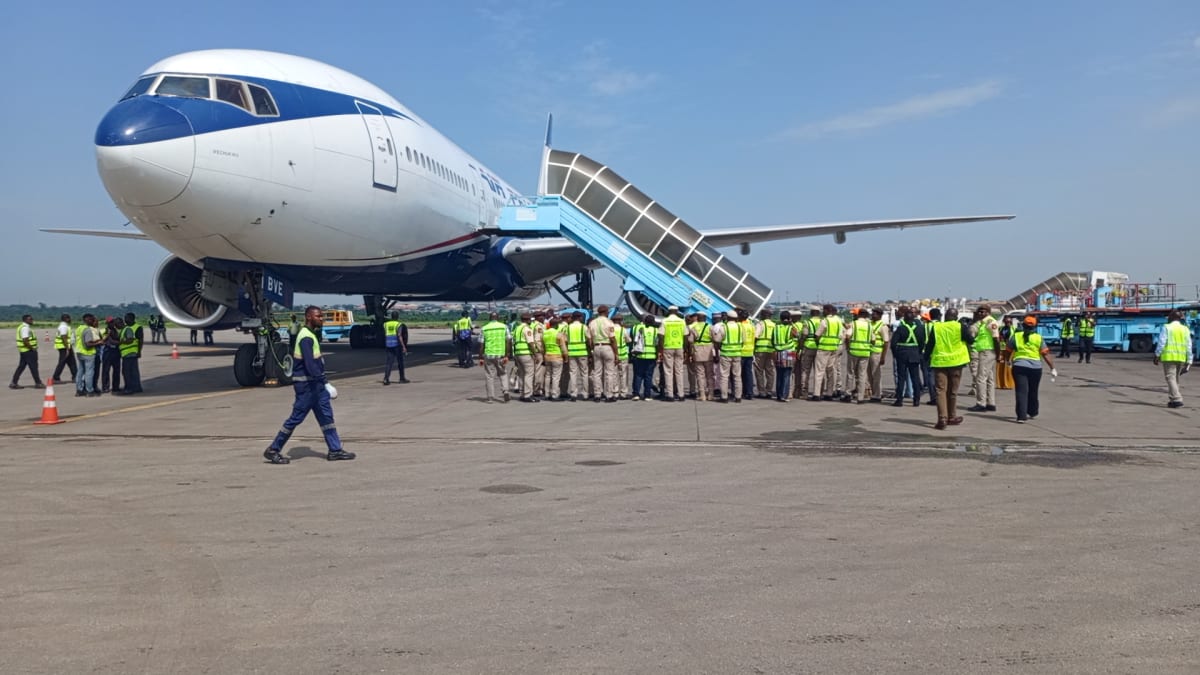
That includes 4.4 million refugees who made it back home and 10.3 million internally displaced people who returned to their communities. Afghanistan, Sudan, and Syria saw the biggest increases in returns, marking the second highest refugee return rate in 60 years.
Nearly 46,000 stateless people also gained citizenship across 24 countries last year, giving them legal rights and protections they'd been living without.
But UN High Commissioner Barham Salih says the real work is just beginning. With 70% of refugees stuck in exile for years and many living in poverty, he's calling for a complete change in how the world responds to displacement.
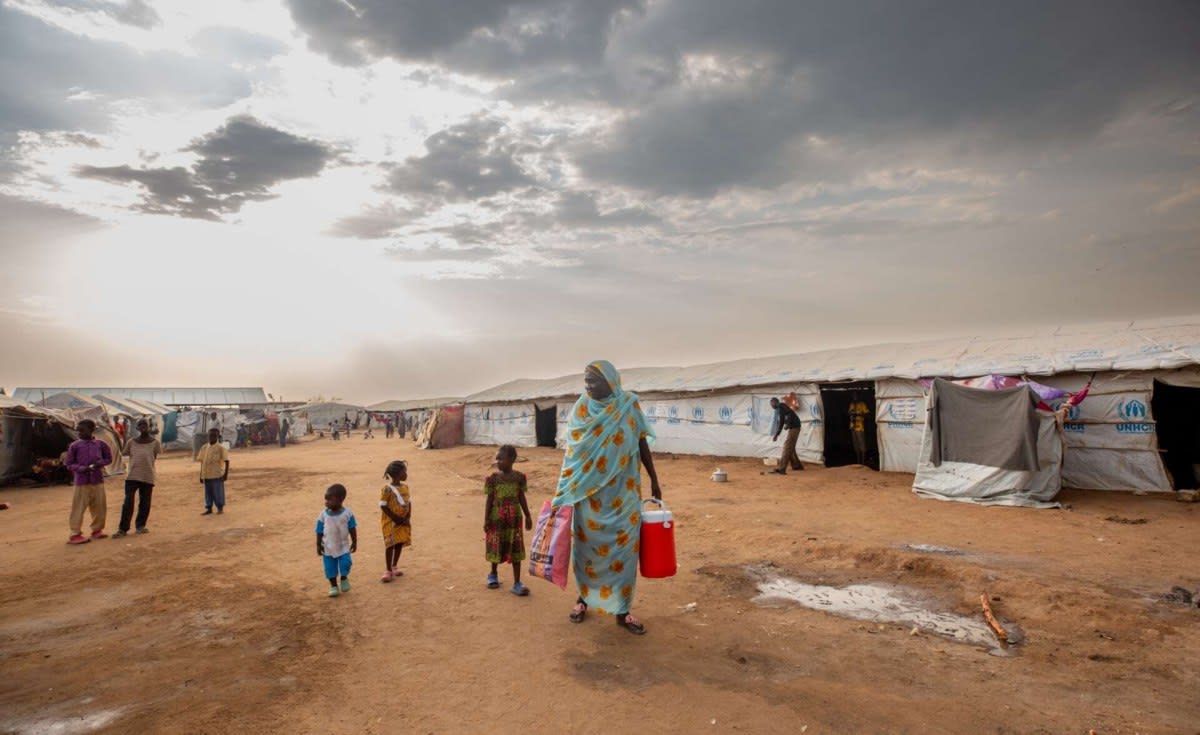
"For too many refugees, displacement starts as a lifeline but lasts a lifetime," Salih explained. His agency wants to cut by more than half the number of refugees in long term displacement who rely on humanitarian aid over the next decade.
The Ripple Effect
The new approach focuses on giving refugees real opportunities instead of just emergency supplies. That means access to education, healthcare, banking services, and jobs so families can support themselves.
The plan also expands voluntary return programs and relocation options, helping people rebuild their lives rather than waiting in camps indefinitely. Most refugees live in low and middle income countries, so the initiative targets those host nations with practical support.
The shift matters because while emergency aid saves lives in the short term, it can't replace the dignity and stability that come from earning a living and building a future. When refugees gain access to schools and jobs, they contribute to their host communities while preparing to eventually return home or settle permanently.
Salih made clear that asylum and protection remain essential and non negotiable. But he added that we can't accept a future where millions remain trapped without realistic prospects of rebuilding.
The biggest hosting countries last year were Colombia, Germany, and Türkiye, while most refugees came from Afghanistan, South Sudan, Sudan, Syria, Ukraine, and Venezuela.
After a decade of watching displacement numbers climb, this turnaround shows that solutions are possible when the world commits to helping people go home safely or build new lives where they've found refuge.
Based on reporting by AllAfrica - Headlines
This story was written by BrightWire based on verified news reports.
Spread the positivity!
Share this good news with someone who needs it