UN Votes to Halve Road Deaths by 2030
The United Nations just passed a historic pledge to cut road traffic deaths in half by 2030, with 162 countries committing to safer streets and smarter road design. The move could save hundreds of thousands of lives every year through better engineering and proven safety systems.
Imagine if we could prevent over half a million deaths every year with changes we already know how to make. That future just got closer.
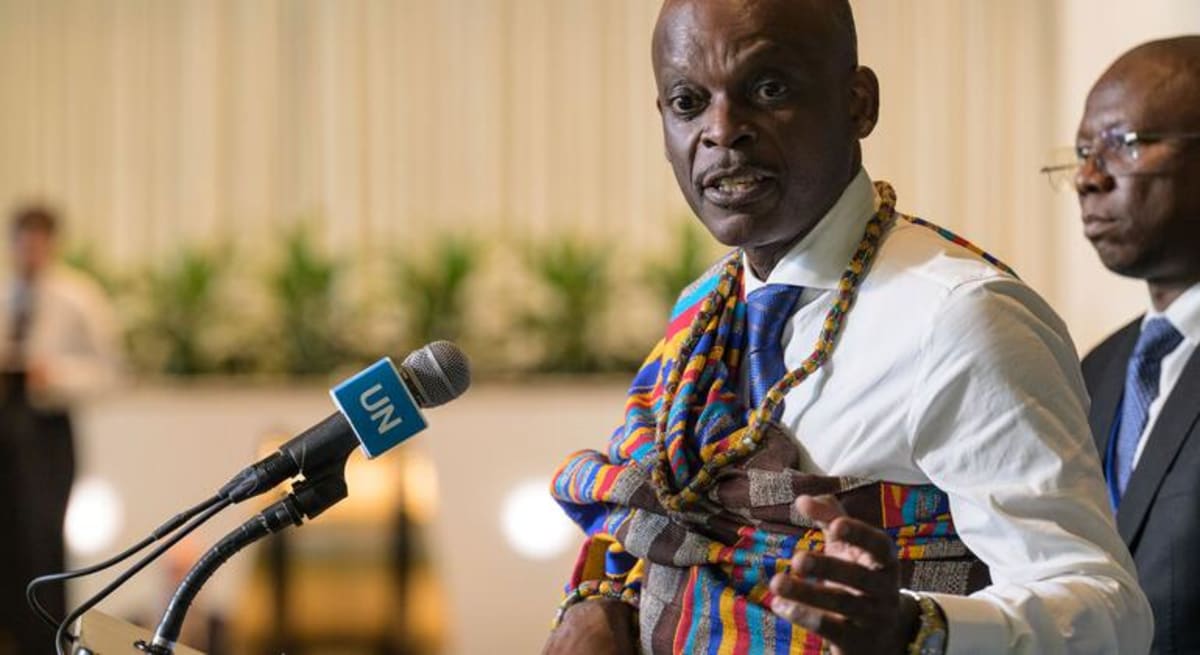
On Tuesday, 162 countries at the UN General Assembly adopted a sweeping new declaration committing to cut road deaths in half by 2030. The Progress Declaration focuses on upgrading road design, vehicle safety standards, and adopting what experts call the "Safe System" approach, which designs streets to protect people even when drivers make mistakes.
The numbers tell an urgent story. Road crashes currently kill 1.16 million people worldwide each year and injure 50 million more. That makes traffic crashes the leading killer of children and young people aged 5 to 29 globally.
But here's the genuinely hopeful part: we're already making progress. Between 2011 and 2025, the global road death rate dropped 21 percent even as more than a billion new vehicles hit the roads. Europe saw deaths fall 36 percent by focusing on proven safety measures.
UN General Assembly President Annalena Baerbock put the scale in perspective. More people die on roads each year than are killed in all armed conflicts, murders, and malaria deaths combined. "All road deaths are preventable and none are acceptable," said WHO Director-General Tedros Adhanom Ghebreyesus.
The declaration asks countries to strengthen safety systems, improve infrastructure, and scale up solutions that already work. Certified motorcycle helmets, for example, cut the risk of death more than sixfold. Better crosswalks, traffic calming measures, and separated bike lanes have dramatically reduced deaths in cities that invest in them.
The Ripple Effect
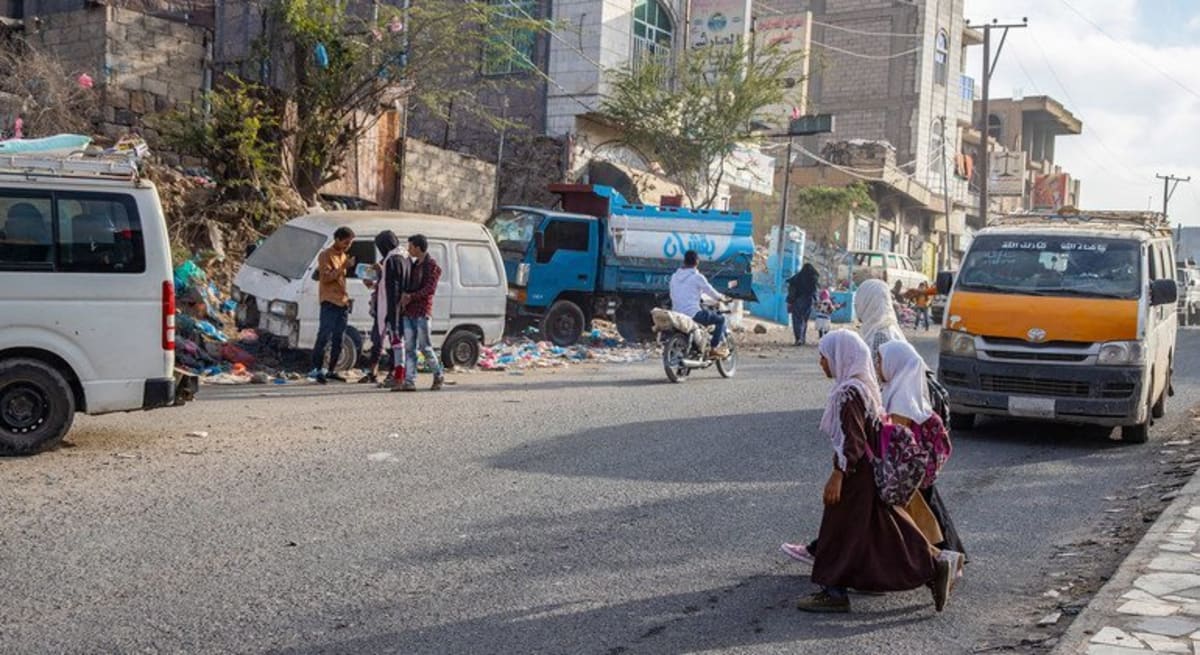
When countries commit resources to road safety, the benefits extend far beyond crash statistics. Safer streets mean parents worry less about their children walking to school. Communities gain walkable neighborhoods that bring people together. Cities become more accessible for elderly residents and people with disabilities.
The progress in Europe and the Western Pacific shows what's possible when governments prioritize evidence-based solutions. As these safety measures spread to more countries, millions of families will be spared the devastating phone call that changes everything.
Some regions still face bigger challenges. Deaths rose 17 percent in Africa and remained flat in the Americas, showing where focused effort and resources are most needed. But the near-universal support for this declaration signals a genuine global commitment to change.
Based on reporting by UN News
This story was written by BrightWire based on verified news reports.
Spread the positivity!
Share this good news with someone who needs it