Global Shipping Moves Closer to Climate Solution
After months of setbacks, nations worldwide recommitted to cleaning up the shipping industry's massive carbon footprint. The framework could transform how goods travel across oceans while protecting island nations from rising seas.
The world just took a crucial step toward making cargo ships greener, and small island nations are breathing easier because of it.
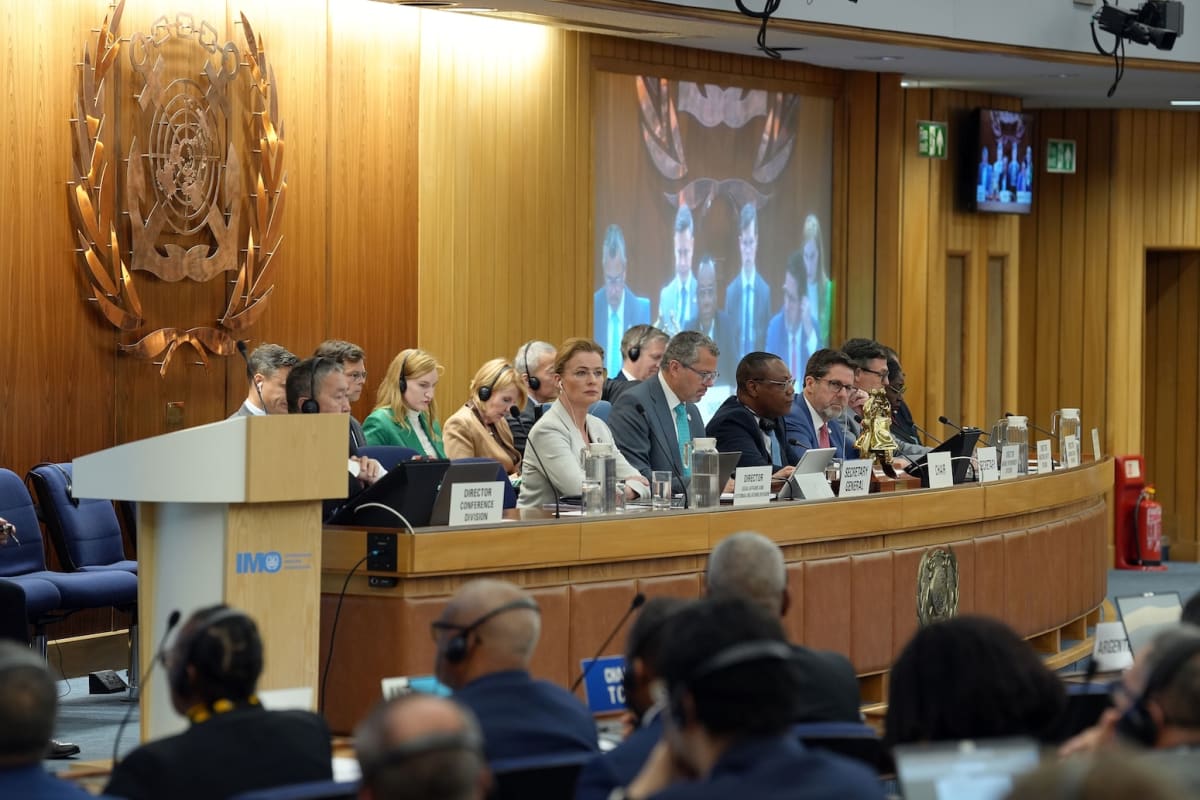
After political battles nearly killed a global plan to slash shipping emissions, 175 countries meeting in London last week chose hope over deadlock. They recommitted to adopting a framework that would make the massive shipping industry accountable for its carbon pollution by December 2026.
The stakes couldn't be higher. International shipping produces more emissions than entire countries, yet has operated without meaningful climate rules. Cargo vessels crisscross oceans carrying everything from smartphones to bananas, leaving a carbon trail that threatens coastal communities worldwide.
Pacific island nations led the charge to keep negotiations alive. For them, this isn't abstract policy. Rising seas fueled by emissions are literally swallowing their homelands, and shipping accounts for nearly 3% of global carbon pollution.
The proposed framework would finally put a price on shipping emissions, pushing the industry toward cleaner fuels and technologies. Brazil, the EU, and dozens of developing nations stood firm against efforts to water down the plan.
Opposition came from unexpected places. Liberia and Panama, whose flags fly on a third of commercial ships worldwide, proposed scrapping the carbon pricing mechanism entirely. Some fossil fuel producers argued the framework moved too fast.
But supporters pointed to years of careful compromise already baked into the proposal. This wasn't radical environmentalism. It was balanced policy that the industry could actually implement.
Why This Inspires
Sometimes the most important victories happen in conference rooms, not on streets. Diplomats from 175 countries could have walked away from the table. Instead, they chose persistence over politics.
The framework represents something rare in international relations: small nations standing up to powerful interests and winning. Island communities that contribute almost nothing to climate change successfully defended their right to exist against industries worth billions.
Technology is ready too. Zero-emission ships already exist. Green fuels are becoming competitive. The framework would simply accelerate changes the industry knows are inevitable.
When nations meet again in December, they'll have a real shot at passing rules that transform how global trade impacts our planet.
Based on reporting by Carbon Brief
This story was written by BrightWire based on verified news reports.
Spread the positivity!
Share this good news with someone who needs it