Glowing Comb Jellies Unlock Secrets of Early Animal Life
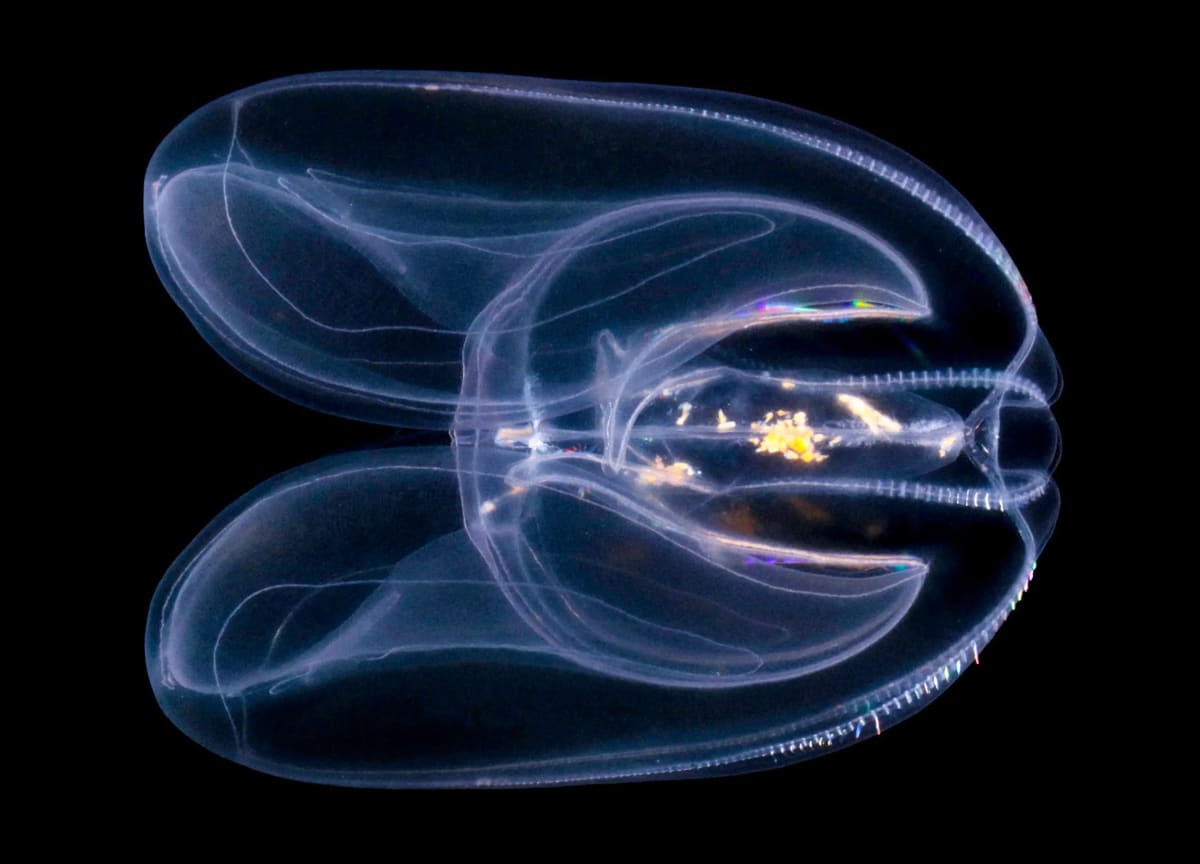
Ancient gelatinous creatures called comb jellies are rewriting what scientists thought they knew about the first animals on Earth. These shimmering ocean dwellers are revealing how nervous systems and bioluminescence first evolved 700 million years ago.
Scientists are discovering that some of the ocean's most beautiful creatures hold answers to life's biggest mysteries.
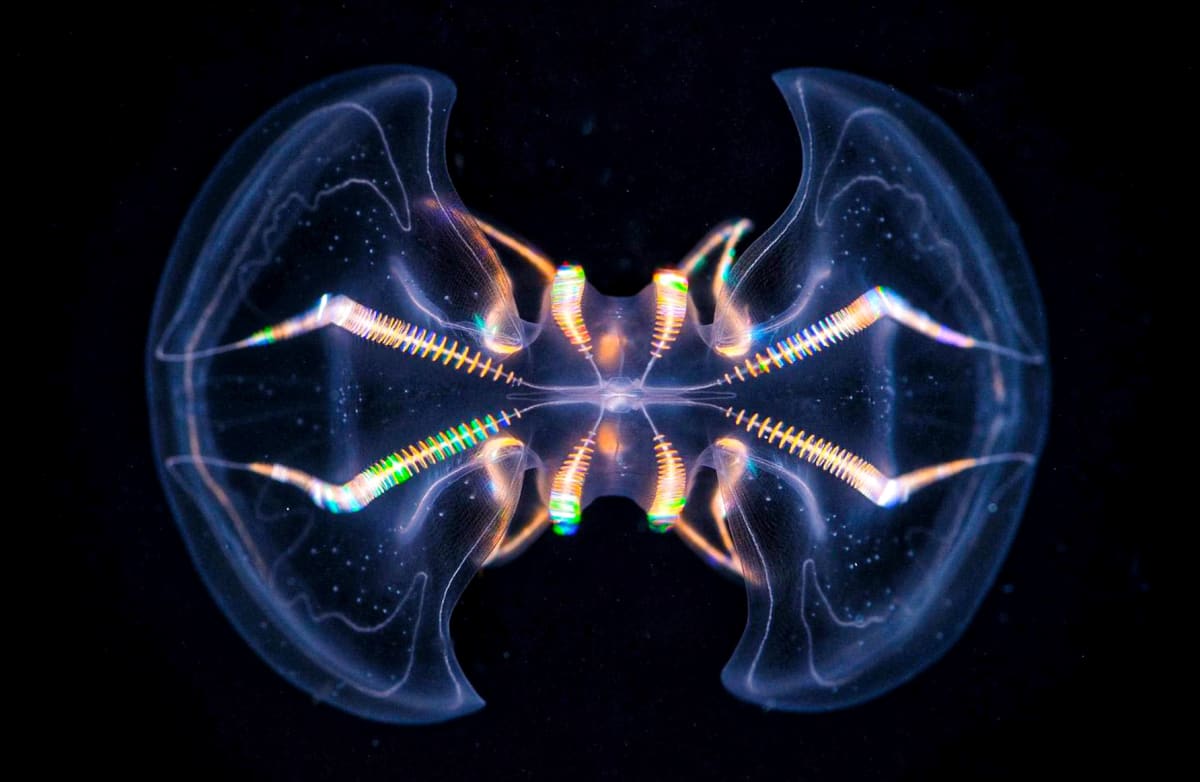
Ctenophores, commonly called comb jellies, split from other animals around 700 million years ago and may represent the earliest branching animal lineage. Nearly 200 species exist today, from cold ocean depths to warm coastal waters, and they're helping researchers understand fundamental questions about how life evolved.
For over a century, scientists believed simple sponges were Earth's first animals. But recent research analyzing chromosome organization revealed something surprising: comb jellies came first, despite being far more complex than sponges.
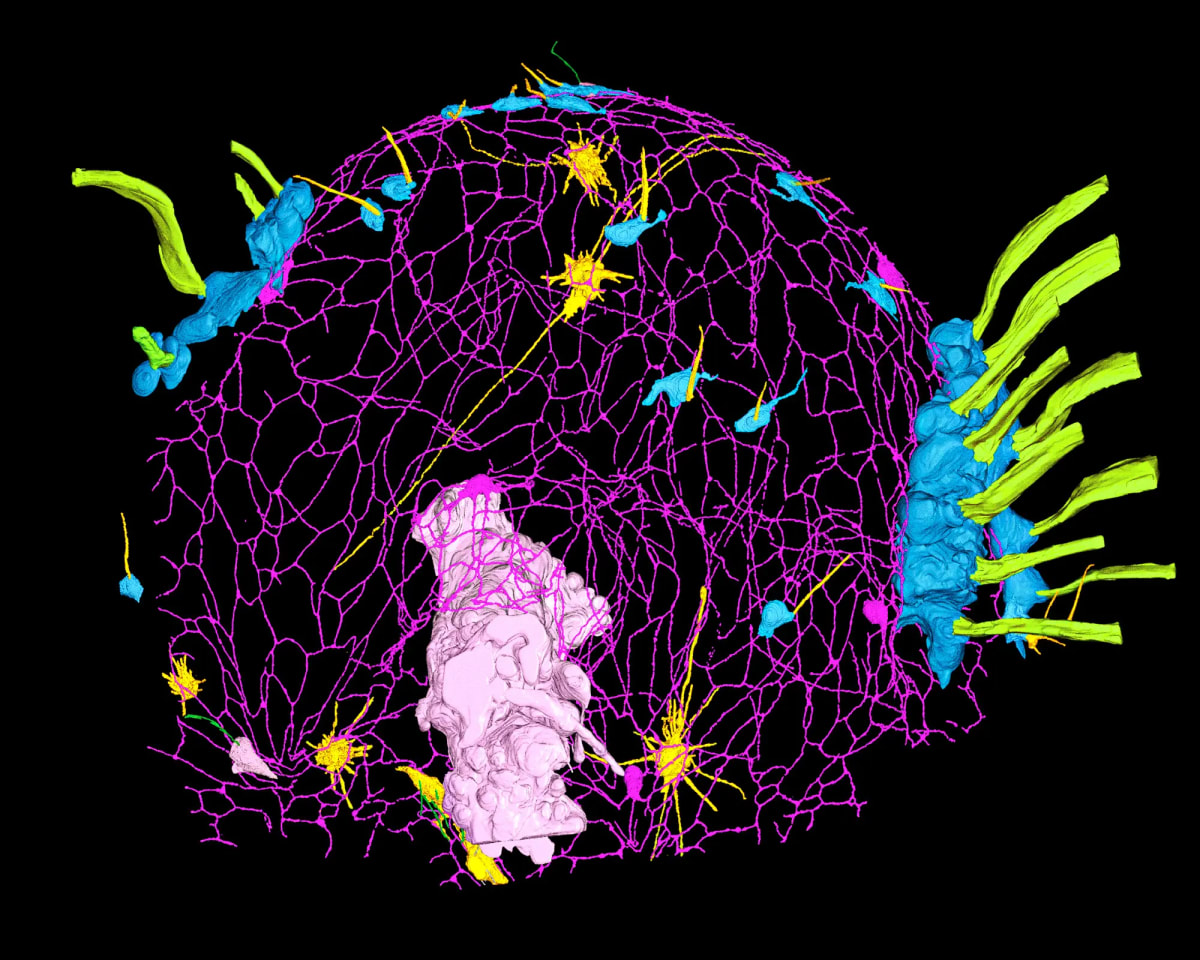
This discovery puzzled evolutionary biologists like Pawel Burkhardt at the University of Bergen. Sponges lack muscles and neurons, while comb jellies possess both and show evidence of simple nervous systems. "If you think about the earliest branching animal lineage, you would expect less complexity," Burkhardt explained.
The finding challenges everything scientists assumed about early animal life. Instead of evolving from simple to complex, the first animals may have been more sophisticated than anyone imagined.
Marine biologist Steven Haddock at the Monterey Bay Aquarium Research Institute studies how these creatures adapted to extreme environments. Having related species across such variable habitats lets researchers trace how features like pressure resistance and light-sensing genes evolved over millions of years.
The more scientists investigate, the stranger comb jellies become. Some species can reverse their development from adult back to larval stages. Others possess special lipids that help them survive crushing deep-sea pressure.
Why This Inspires
These glowing, ribbonlike creatures prove that studying unusual organisms reveals fundamental truths about life itself. The largest species, Venus' girdle, grows up to 1.5 meters long and shimmers with iridescent light as it moves through water.
Burkhardt emphasizes the importance of studying organisms that seem strange or weird. They reveal physical, chemical, and biological principles that apply across all life forms.
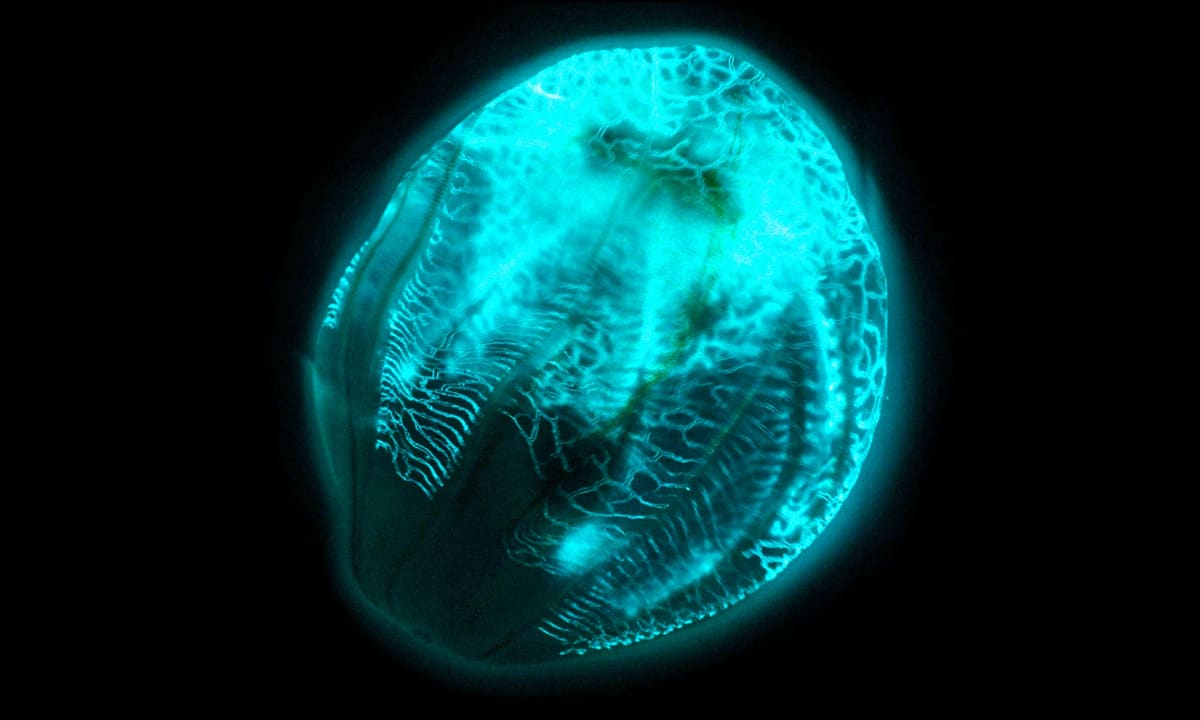
Comb jellies are also unlocking the mystery of bioluminescence and how the first nervous systems developed. Their DNA provides a living record of evolutionary experiments from Earth's ancient oceans.
These beautiful blobs of jelly are teaching us that complexity emerged earlier than we thought, and that life's story is far more wonderful than textbooks suggested.
More Images
Based on reporting by Google News - Science
This story was written by BrightWire based on verified news reports.
Spread the positivity!
Share this good news with someone who needs it