GLP-1 Drugs Help Hearts and Livers Without Weight Loss
New research shows popular weight loss drugs like Wegovy help prevent heart attacks and heal liver disease even in people who don't lose pounds. This discovery could change how millions access life-saving treatment.
Scientists have discovered that blockbuster weight loss medications work in surprisingly powerful ways that have nothing to do with shedding pounds.
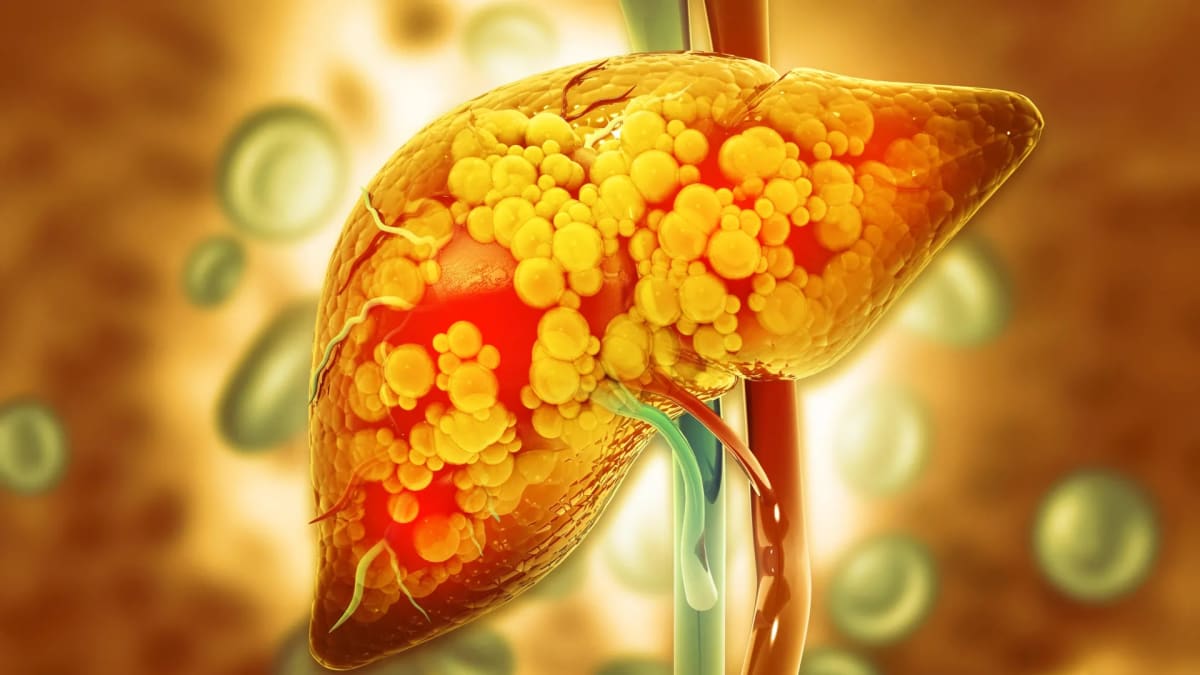
While about 10 to 15% of people taking GLP-1 drugs like Wegovy and Zepbound don't lose significant weight, they're still getting major health benefits. New research published this week reveals these medications dramatically improve liver health, reduce heart attack risk, and fight inflammation regardless of what the scale says.
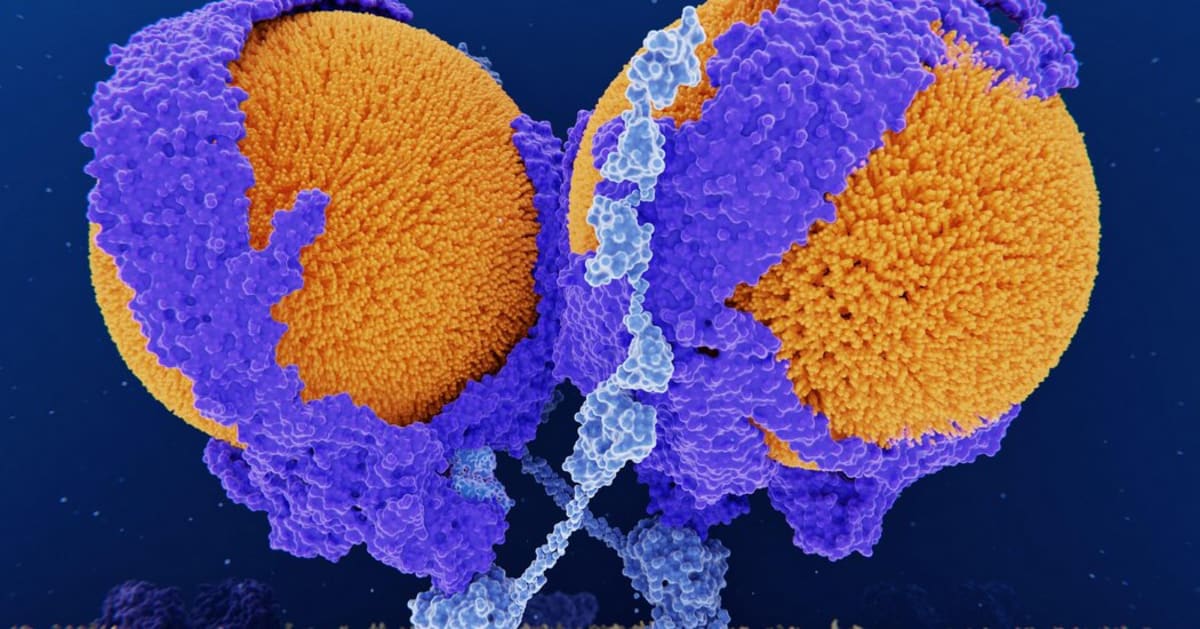
Dr. Daniel Drucker at the University of Toronto led a groundbreaking study that explains why. His team discovered a rare group of cells in the liver that respond directly to GLP-1 drugs by calming dangerous inflammation. When stimulated by the medication, these blood vessel cells communicate with the immune system to quiet down harmful responses that damage organs.
The team proved this by creating mice that couldn't lose weight on the drugs. Even without dropping pounds, the mice showed substantial liver improvements. When they tested mice that lost weight but lacked those special liver cells, nothing improved.
This matters for real people right now. Wegovy was approved last August to treat a serious liver disease called MASH that affects 6% of American adults. Clinical trials showed it worked dramatically well, but doctors assumed weight loss was doing the heavy lifting.
Heart health studies tell the same hopeful story. Research on Wegovy found it reduced second heart attacks and strokes regardless of how much weight participants lost. The benefits came from direct effects on blood vessels, blood pressure, and inflammation.
Why This Inspires
Millions of Americans take these medications, and insurance companies often cut off coverage if patients don't lose at least 5% of their weight within four months. This research proves that policy needs to change immediately.
Dr. Jody Dushay, who prescribes these drugs in Boston, says about 5 to 8% of her patients are weight non-responders. Under current rules, they'd lose access to medication that could be saving their heart or liver, even if the number on the scale stays the same.
The discovery opens doors for more personalized medicine. Doctors could prescribe GLP-1 drugs specifically for heart disease, liver conditions, or kidney problems, tailoring treatment to each person's needs rather than focusing solely on weight.
This shift means people previously labeled as treatment failures are actually success stories. Their bodies are healing in ways doctors couldn't measure before, fighting inflammation and protecting vital organs while everyone was watching the wrong number.
Insurance companies and government health programs now have scientific proof that these medications deliver value far beyond weight loss, potentially saving lives and preventing serious complications across multiple organ systems.
The research transforms our understanding of how these drugs work and who they can help.
More Images
Based on reporting by Google News - Health
This story was written by BrightWire based on verified news reports.
Spread the positivity!
Share this good news with someone who needs it