WHO Fast-Tracks 3 Ebola Treatments to Fight Outbreak
The World Health Organization just identified three promising experimental treatments for a challenging Ebola strain, bringing hope to affected communities in Central Africa. Multiple vaccines are also moving toward trials within months.
Scientists have taken a major step forward in fighting a deadly Ebola outbreak by identifying the most promising treatments and vaccines to test against the Bundibugyo strain.
The World Health Organization announced Thursday it's prioritizing three experimental treatments that show real potential. These include drugs from Mapp Biopharmaceutical, Regeneron, and Gilead Sciences, with Regeneron's treatment already delivered to the Democratic Republic of Congo and ready to use.
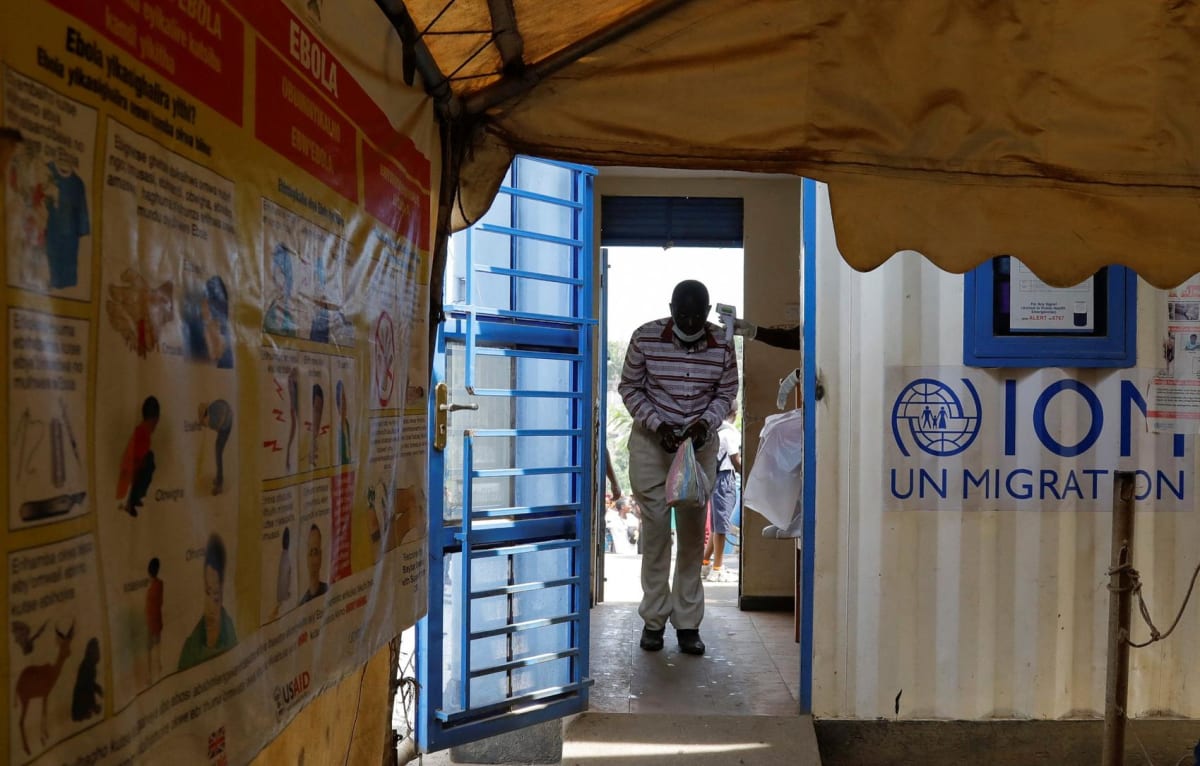
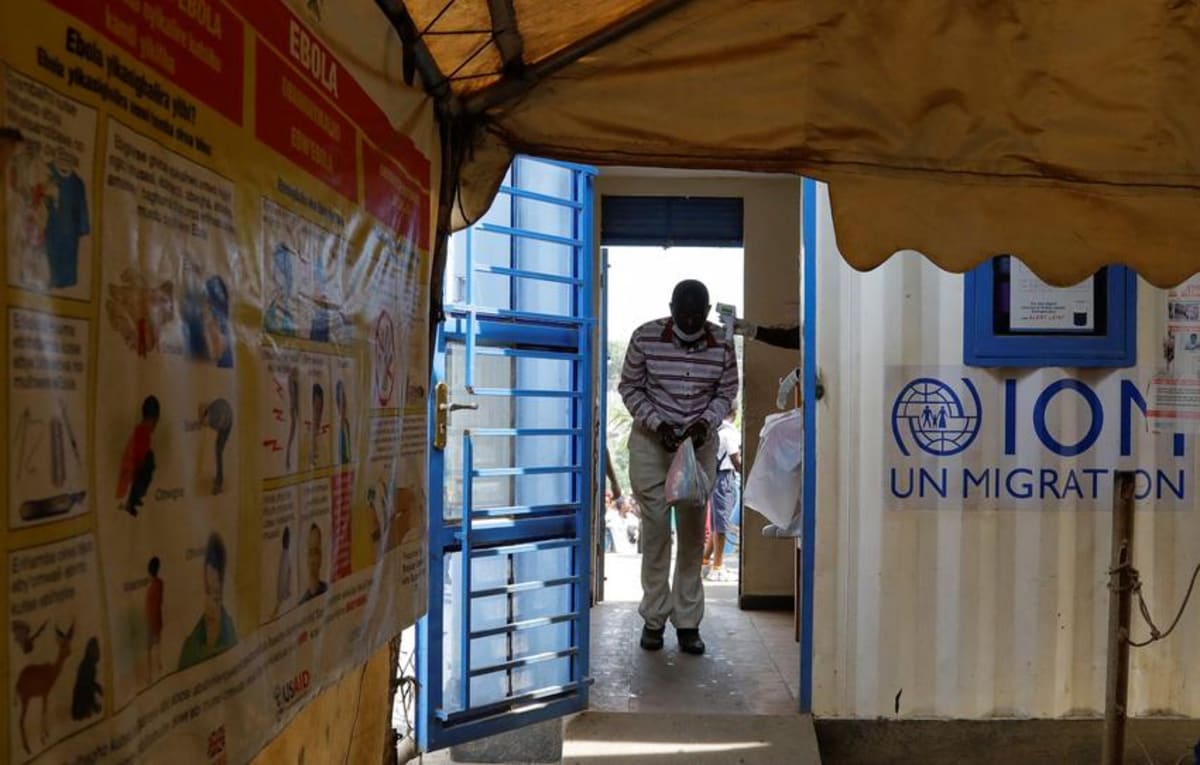
The timing matters deeply. An outbreak is currently affecting communities in the DRC, with cases spreading to neighboring Uganda. Until now, no approved vaccines or therapies existed specifically for this Bundibugyo strain, leaving doctors with limited options.
The WHO worked with global experts to review all available candidates and identify which ones deserve immediate testing. Their recommendation clears the way for clinical trials that will finally generate concrete data on what works best.
For prevention, researchers highlighted an oral antiviral that could protect people exposed to the virus, though success will require strong contact tracing efforts. Another experimental drug showed promise when combined with one of the monoclonal antibody treatments.
The Bright Side
Two vaccine candidates are moving toward trials faster than expected. Oxford University and the Serum Institute of India developed one that could be ready for testing within two to three months. A second vaccine from the International AIDS Vaccine Initiative requires just a single dose and looks particularly promising, though it needs seven to nine months before trials can begin.
Regeneron confirmed their treatment is positioned on the ground and available immediately if needed for either direct patient care or as part of research studies. That kind of rapid deployment shows how far global health response has evolved.
The WHO is now partnering with health authorities in Congo and Uganda, along with the Africa CDC, to design ethical clinical trials that will protect participants while gathering crucial evidence. These trials represent hope for communities facing this outbreak and future preparedness for regions at risk.
Medical teams finally have a clear roadmap for testing the most promising options, transforming uncertainty into actionable science that could save lives across Central Africa.
More Images
Based on reporting by Japan Today
This story was written by BrightWire based on verified news reports.
Spread the positivity!
Share this good news with someone who needs it