New Drug Reverses Fatty Liver Disease by Healing the Gut
An experimental drug called DT-109 has reversed severe fatty liver disease in animals by repairing the gut barrier, offering hope for millions with MASH. The breakthrough targets the gut-liver connection rather than treating the liver alone.
Scientists at Michigan Medicine have discovered a promising new way to treat severe fatty liver disease, and it starts in an unexpected place: the gut.
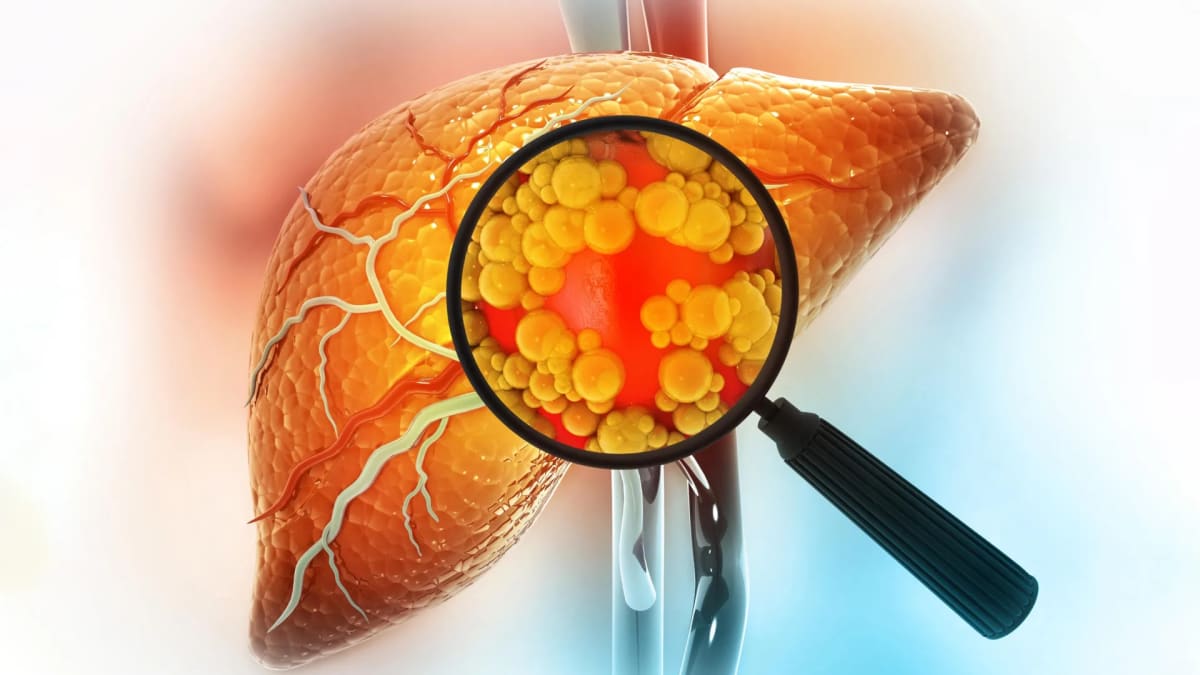
An experimental drug called DT-109 reversed fatty liver disease in animal studies by repairing the intestinal lining and blocking harmful toxins from reaching the liver. The findings, published in The Journal of Clinical Investigation, could transform treatment for metabolic dysfunction-associated steatohepatitis, or MASH, a serious condition affecting 7% of people worldwide.
MASH can progress to cirrhosis, liver cancer, and liver failure. Despite its severity, effective treatments remain limited, leaving patients and doctors searching for better options.
The research team discovered that DT-109 works by targeting a surprising culprit: an overgrowth of bacteria called Clostridium perfringens in the gut. This bacterium produces ammonia, which damages the intestinal lining and weakens the protective barrier between the gut and bloodstream.
When that barrier breaks down, harmful microbial products leak into the blood, travel to the liver, and trigger damaging immune responses. DT-109 interrupts this chain reaction by reducing the problematic bacteria and lowering ammonia production, allowing the gut barrier to heal.
"We see clear evidence that DT-109 protects the gut epithelial barrier, reducing the systemic influx of harmful microbial products that are thought to contribute to MASH development and progression," said Dr. Eugene Chen, senior author of the study and professor at the University of Michigan Medical School.
The results were particularly encouraging in nonhuman primates, whose liver biology closely resembles humans. In these animals, DT-109 reduced liver inflammation and significantly improved MASH severity, strengthening the case for human trials.
The compound, a glycine-based tripeptide, primarily acts in the gastrointestinal tract. However, its protective effects reach far beyond the digestive system.
The Ripple Effect
The potential applications of DT-109 extend well beyond fatty liver disease. Previous studies showed the compound can reduce atherosclerosis plaques and prevent vascular calcification in nonhuman primates, suggesting it could treat cardiovascular disease too.
Because a damaged intestinal barrier has been linked to several digestive disorders, researchers believe DT-109 might eventually help treat conditions like inflammatory bowel disease. The gut-liver connection appears to play a larger role in overall health than scientists previously understood.
"What patients with MASH need is a safe and effective therapy capable of improving their liver and heart health," said Dr. Elliot Tapper, Academic Director of Hepatology at Michigan Medicine. "Of course we are excited about these developments."
The University of Michigan has patented DT-109 and licensed it to Diapin Therapeutics, which is continuing to develop the compound. Future research will focus on additional testing needed to move DT-109 into clinical trials and evaluate its safety and effectiveness in people.
For millions living with fatty liver disease and limited treatment options, this gut-healing approach offers genuine hope for better health ahead.
Based on reporting by Google News - New Treatment
This story was written by BrightWire based on verified news reports.
Spread the positivity!
Share this good news with someone who needs it