GM Powers New EVs With Recycled Battery Materials
General Motors just rolled out electric vehicles powered by batteries made from 100% recycled nickel, cobalt, and manganese—materials recovered from their own old EV batteries. The breakthrough proves that today's electric cars can literally power tomorrow's.
The batteries powering your next electric vehicle might have already driven thousands of miles in someone else's car.
General Motors reached a milestone this month that the auto industry has been chasing for years: closing the loop on EV battery recycling. For the first time, new Cadillac and Chevrolet electric vehicles rolled off assembly lines with batteries made from materials recovered from GM's own end-of-life battery packs.
The numbers are impressive. Working with recycling partner Cirba Solutions, GM recovered materials from 80 old EV batteries and converted them into more than 12 metric tons of new cathode active material—the most critical component of a battery cell. That material contained 100% recycled nickel, cobalt, and manganese.
Here's how it worked. The old batteries were disassembled and converted into "black mass," a blend of battery materials that serves as the starting point for recycling. That black mass was then refined back into high-quality cathode material that had to meet the exact same safety and performance standards as brand-new materials.
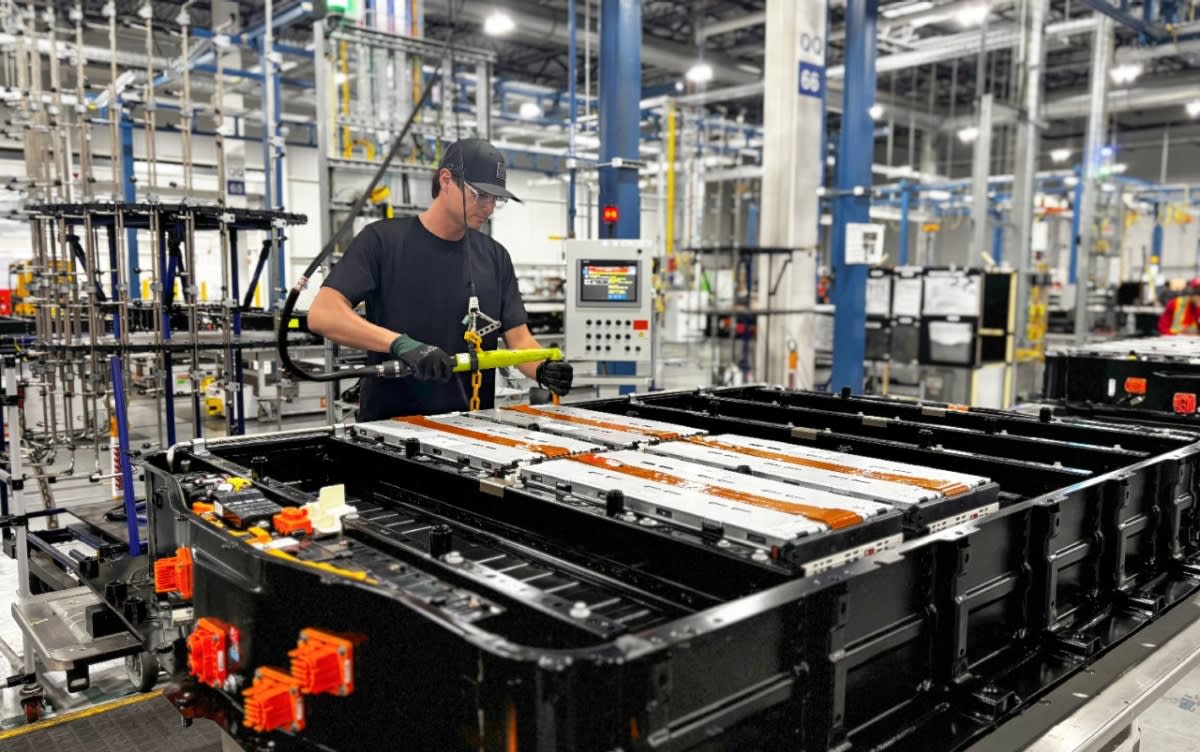
The real test came when engineers compared cells made with recycled materials against those made with virgin materials. They performed identically. That validation cleared the way for production, and Ultium Cells began manufacturing battery cells with the recycled content.
Those cells are now powering new Cadillac LYRIQ, Escalade IQ, Chevrolet Silverado EV, and GMC Sierra EV models heading to customers. The vehicles driving off the lot perform exactly like their counterparts—because there's no performance difference between recycled and new materials.
The Ripple Effect
This breakthrough does more than prove recycling works. It addresses one of the biggest concerns about electric vehicles: what happens to all those batteries at the end of their life?
The answer is increasingly clear—they become new batteries. Current technology can already recover up to 95% of nickel, cobalt, and manganese, and up to 80% of lithium from old batteries. Future advances could push those numbers even higher.
The impact extends beyond environmental benefits. Raw materials represent one of the largest costs in battery production, so recovering and reusing them could help drive down battery prices over time. It also reduces dependence on newly mined materials and strengthens supply chains.
But recycling isn't even the second chapter in a battery's life at GM. Before batteries reach recycling, the company refurbishes and remanufactures them, reusing more than 70% of pack components. After their automotive life, batteries can power stationary energy storage systems—GM is deploying about 10,000 second-life batteries into the largest second-life battery microgrid in North America.
The pilot required years of engineering work and coordination across multiple partners, including Cirba Solutions, Ultium Cells, and LG Energy Solution. GM teams had to solve complex challenges in logistics, quality control, testing, and manufacturing to make the closed loop a reality.
The real work begins now, as more EV batteries reach end-of-life over the coming decade.
Based on reporting by Google News - Electric Vehicle
This story was written by BrightWire based on verified news reports.
Spread the positivity!
Share this good news with someone who needs it