Goblin Shark Filmed in Wild for First Time in History
Scientists have captured the first confirmed footage of the elusive goblin shark swimming in its natural deep-sea habitat, unveiling secrets of a species that has survived 125 million years. Two rare sightings in the Pacific Ocean are helping researchers understand one of the ocean's most mysterious creatures.
A ghostly white shark with a horn-like nose and slingshot jaws has finally been caught on camera in the wild, giving scientists their first confirmed glimpse of one of Earth's rarest deep-sea predators.
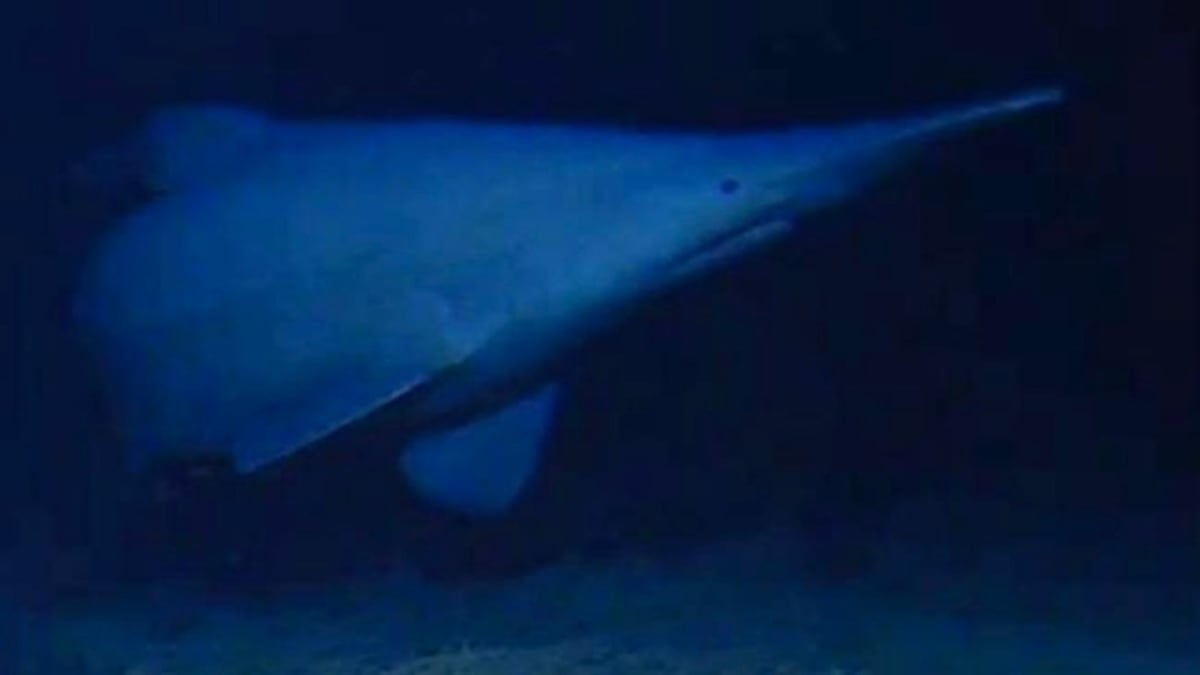
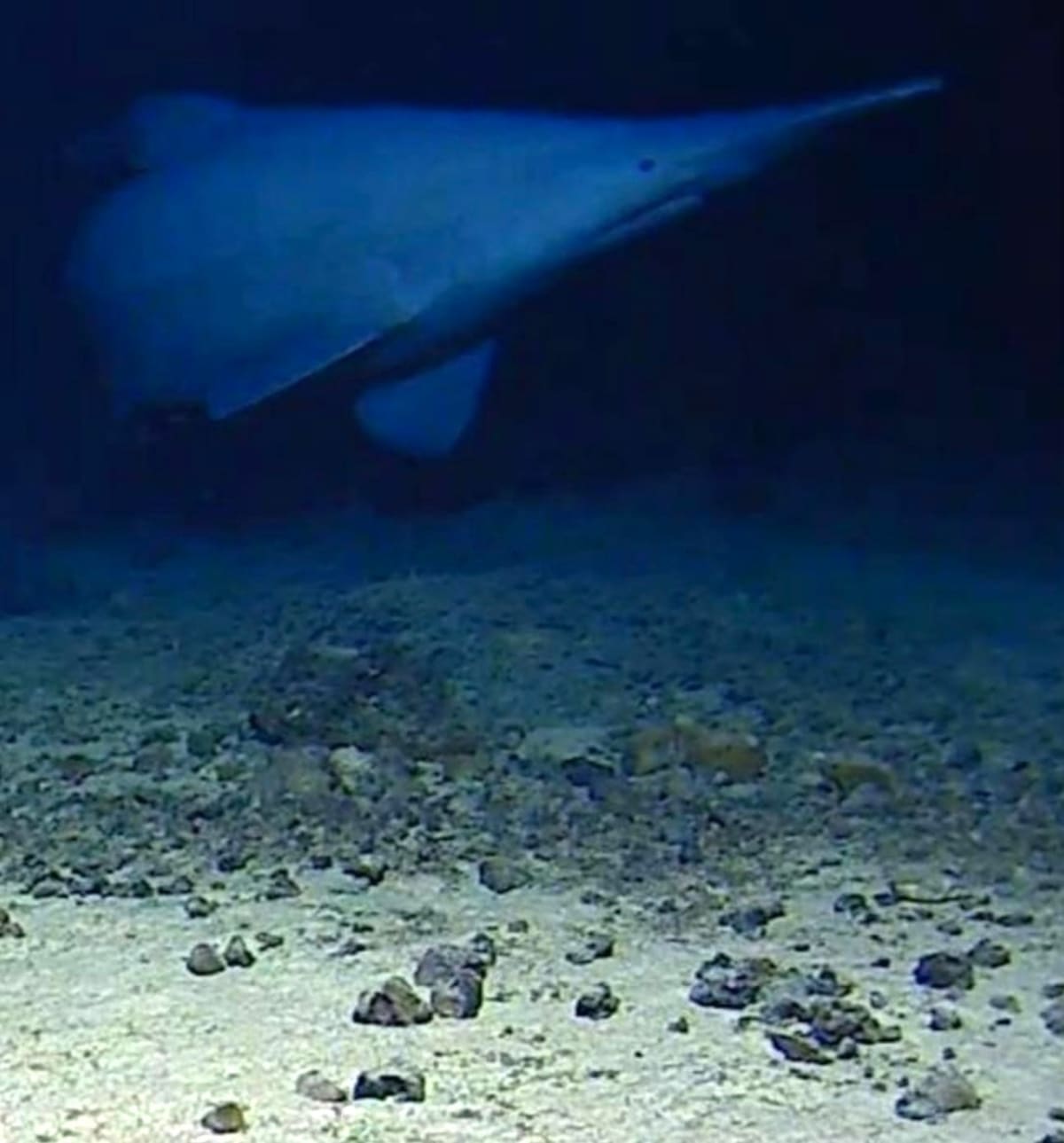
The goblin shark, a living fossil that traces back 125 million years, was filmed in two separate sightings in the Pacific Ocean. The first footage came from a research vessel near Jarvis Island in 2019, capturing the bizarre creature swimming about three-quarters of a mile below the surface.
"At the time no one on board really knew the significance of what we had just seen," said Steve Auscavitch, a scientist at the Smithsonian Institution who was aboard the research vessel. The shark quickly darted away from the lights and noise of the underwater robot filming it.
Aaron Judah, a PhD candidate at the University of Hawaii who led the study, said he was shocked when he heard about the footage. These animals weren't known to live in the Central Pacific, making this discovery an enormous range extension for the species.
The goblin shark looks like something from another planet. It grows up to 12 feet long and sports an unusual pinkish-white color, unlike most sharks. Its most striking feature is an enormous nose covered in specialized gel-filled organs that conduct electricity, helping it hunt for squid, fish and crustaceans in total darkness.
A second sighting in 2024 near the Tonga Trench, about 1,250 miles southwest of the first location, confirmed these sharks also live along trench slopes. The Journal of Fish Biology peer-reviewed and confirmed both sightings, marking the first time wild goblin shark footage has been scientifically verified.
Why This Inspires
These rare glimpses into the deep sea remind us how much wonder still exists in our oceans. Scientists normally only see goblin sharks when they're accidentally caught in fishing nets, making live footage incredibly valuable for understanding their lives.
The discoveries show that even after centuries of ocean exploration, Earth still holds mysteries waiting to be revealed. Every new sighting teaches researchers more about where these ancient sharks live and how they behave, information crucial for protecting them as fishing and mining operations push deeper into the ocean.
"They are so rare that every sighting gives us new glimpses into their lives," said James Lea, CEO of the Save Our Seas Foundation. With improved submersible technology, scientists can now explore the alien world of the deep sea more easily than ever before.
The goblin shark has now been found across the Pacific, Atlantic and Indian Oceans. As researchers learn more about rare marine species, they can build better conservation plans to protect ocean biodiversity before human activities threaten these ancient creatures.
Somewhere in the dark depths, goblin sharks continue their 125-million-year journey, and now we finally get to watch.
More Images



Based on reporting by Google News - Scientists Discover
This story was written by BrightWire based on verified news reports.
Spread the positivity!
Share this good news with someone who needs it