Insects Survive 200+ Meters Deep in African Lake
Scientists just discovered insect larvae thriving at crushing depths in Lake Malawi where no insects should survive. Their secret? Specially reinforced air sacs that resist extreme underwater pressure.
Deep beneath the surface of one of Africa's deepest lakes, researchers found life thriving where it shouldn't exist at all.
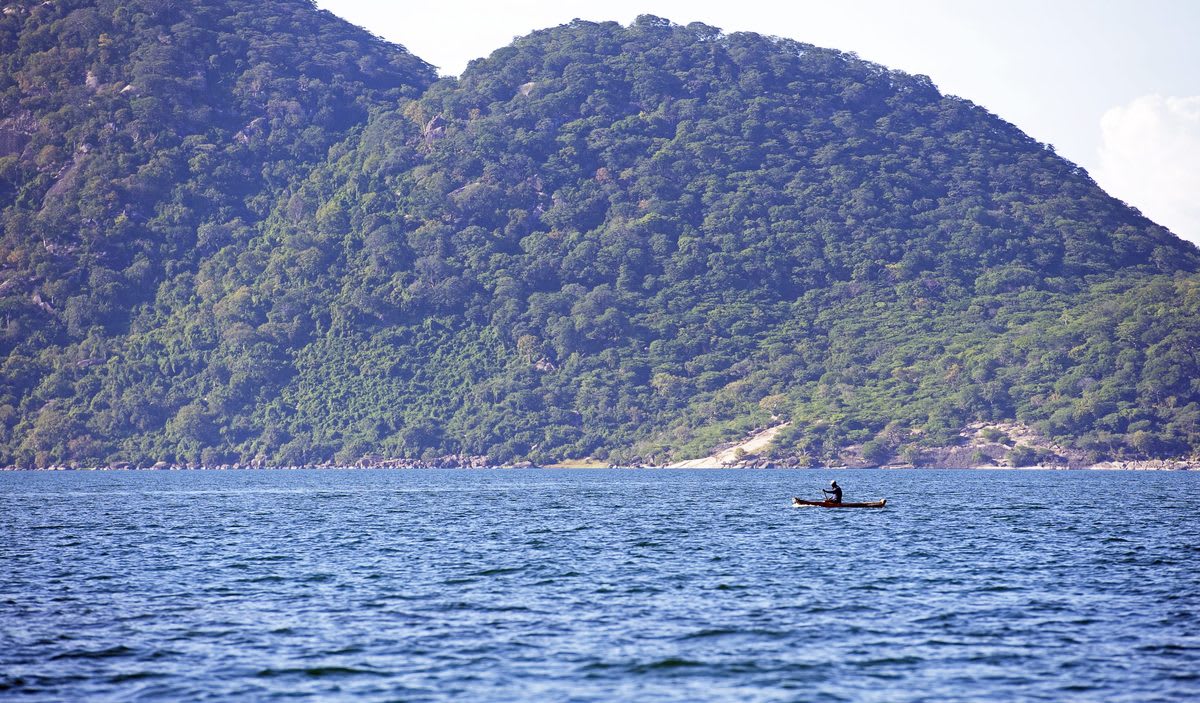
Scientists studying Lake Malawi discovered aquatic insect larvae living more than 200 meters below the surface, a depth that should crush their breathing systems. The discovery challenges everything we thought we knew about where insects can survive.
The lake fly larvae, called Chaoborus edulis, play a crucial role in Lake Malawi's ecosystem by feeding fish and controlling zooplankton populations. Researchers used sonar to track their daily movements through the water and uncovered an extraordinary survival strategy.
Each day, these tiny creatures dive to the oxygen-free lake bottom to hide from hungry fish. When night falls, they return to shallow waters to feed, completing a vertical journey that would be impossible for almost any other insect on Earth.
Lake Malawi reaches depths of 706 meters, making it the second deepest lake in Africa. Its average depth of 292 meters creates intense pressure that collapses the air-filled breathing tubes most insects rely on to survive.
The research team compared these deep-diving larvae to their cousins in shallower Lake Victoria, which averages just 40 meters deep. The difference was dramatic and revealed an unexpected evolutionary adaptation.
Why This Inspires
The Lake Malawi larvae evolved reinforced air sacs that work like adjustable diving chambers. In shallow water, they actively change the air pressure to move up and down, but at crushing depths, these sacs become rigid shields that protect against collapse.
Laboratory tests pushed the limits even further. The largest larvae's air sacs resisted pressure equivalent to 500 meters deep, nearly three times their normal diving depth.
This discovery opens up exciting possibilities for understanding life's adaptability. For decades, scientists believed insects could never colonize the open ocean because pressure would destroy their breathing systems.
Now we know that evolution can overcome even this challenge. These tiny lake flies prove that with the right adaptations, insects might one day thrive in Earth's deepest marine environments after all.
More Images

Based on reporting by Google News - Science
This story was written by BrightWire based on verified news reports.
Spread the positivity!
Share this good news with someone who needs it