Scientists Find Never-Before-Seen Ocean Treasure in Pacific
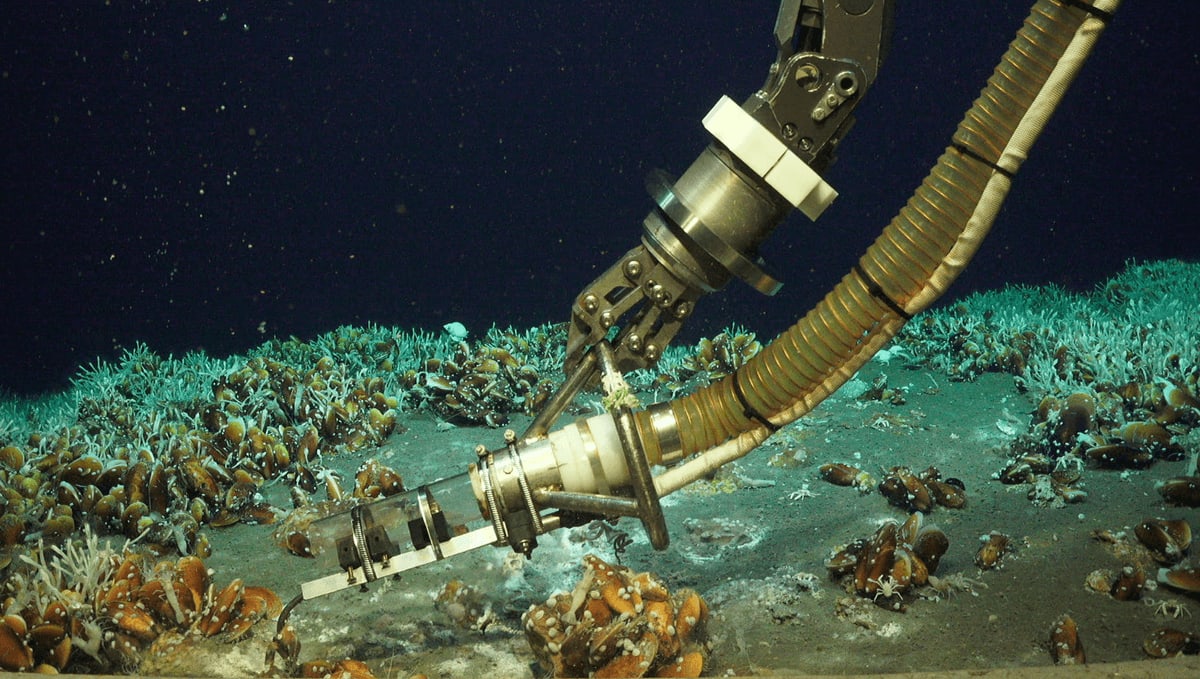
Deep-sea robots discovered a unique underwater ecosystem off Papua New Guinea where hot vents and cold gas seeps exist side by side for the first time ever. The site is so packed with life that rocks are completely covered in mussels, tube worms, and creatures possibly new to science.
Imagine exploring the ocean floor and finding something scientists didn't know could exist anywhere on Earth.
That's exactly what happened when researchers sent an underwater robot 1,300 meters down near Papua New Guinea's Lihir Island in 2025. The discovery left marine geologist Dr. Philipp Brandl and his team speechless.
The robot found a hydrothermal field unlike any ever documented. Hot fluids gush up from the seafloor right next to cold methane gas seeping from the sediments. These two types of ocean activity normally happen miles apart, not inches away from each other.
"We essentially have a hot vent bubbling right next to a cool gas seep, a combination that has never been described before," says Brandl from GEOMAR Helmholtz Centre for Ocean Research Kiel. "No one really expected to find a hydrothermal field here, let alone one that is so exceptional."
The team had explored this area multiple times before without spotting anything unusual. Only when they sent the ROV Kiel 6000 robot to explore a volcanic seamount did they discover the hidden wonder below.
They named the site Karambusel, meaning mussel in Tok Pisin, one of Papua New Guinea's languages. The name fits perfectly because mussels blanket nearly every surface alongside tube worms, shrimp, and sea cucumbers.
"In places, you couldn't see a single patch of rock because everything is so densely populated," Brandl explains. He believes some of the species living there may be completely new to science.
Why This Inspires
This discovery reminds us how much wonder still hides in our oceans. After countless research trips to the same waters, one deeper look revealed an entire ecosystem scientists didn't know existed.
The find also shows nature's incredible ability to create life in the most unexpected places. Where scorching heat meets freezing cold on the dark ocean floor, creatures have found a way to thrive.
Brandl and his team published their findings in Scientific Reports and are eager to return for more research. However, they warn that this biodiversity hotspot needs protection from nearby mining operations that could damage this fragile ecosystem.
The researchers call Karambusel an unexpected treasure trove that deserves safeguarding before economic interests threaten it. Their hope is that shining a light on this remarkable place will help preserve it for future generations to study and appreciate.
Sometimes the greatest discoveries come from looking one more time in places we think we already know.
Based on reporting by Google News - Scientists Discover
This story was written by BrightWire based on verified news reports.
Spread the positivity!
Share this good news with someone who needs it