Golden Karabakh Horses Saved From Extinction in Germany
A rare horse breed from Azerbaijan, prized for its shimmering golden coat and mountain endurance, is being rescued from the edge of extinction through a decades-long conservation partnership between German breeders and Azerbaijani experts.
When Verena Scholian discovered a golden-coated stallion named Inturist in Germany in 1990, she had no idea she was meeting one of the last living links to a centuries-old mountain breed nearly lost to history.
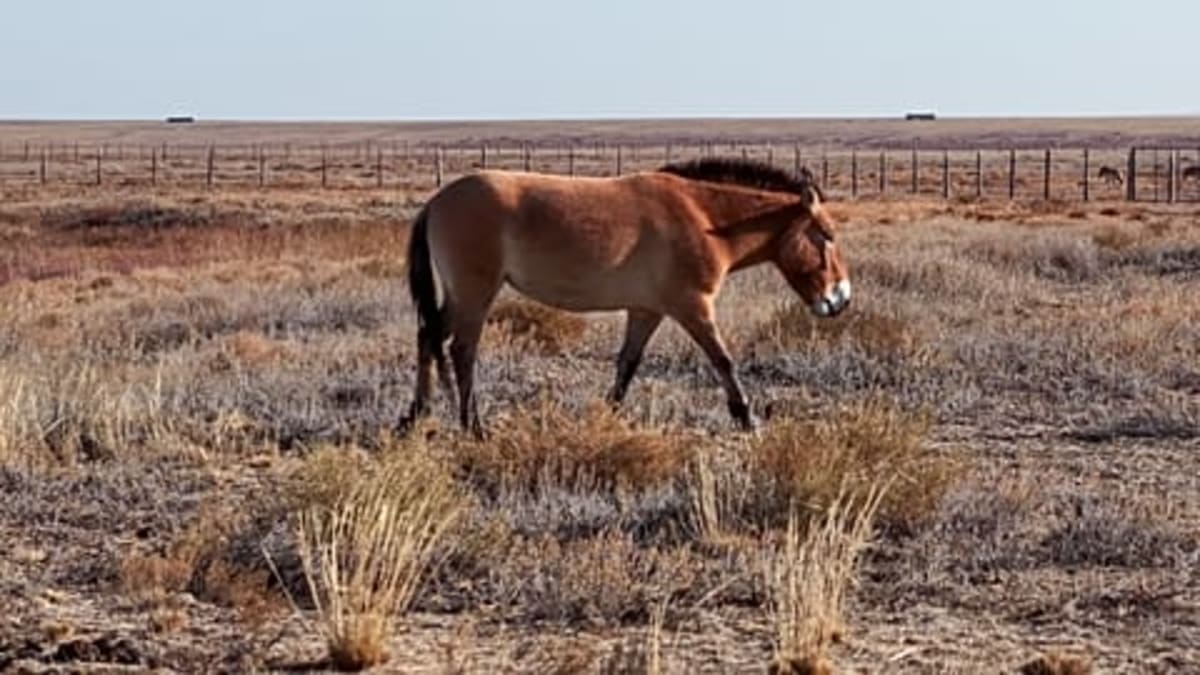
The Karabakh horse, born in the rugged Caucasus mountains, almost disappeared completely in the 20th century. Wars, economic collapse, and uncontrolled breeding pushed these intelligent, sure-footed horses to the brink. During the First Nagorno-Karabakh War, key breeding facilities were destroyed, wiping out crucial bloodlines.
Today, the breed is classified as at-risk by the Food and Agriculture Organization, with only small populations surviving at specialized farms. But Scholian refused to let these "jewels" vanish.
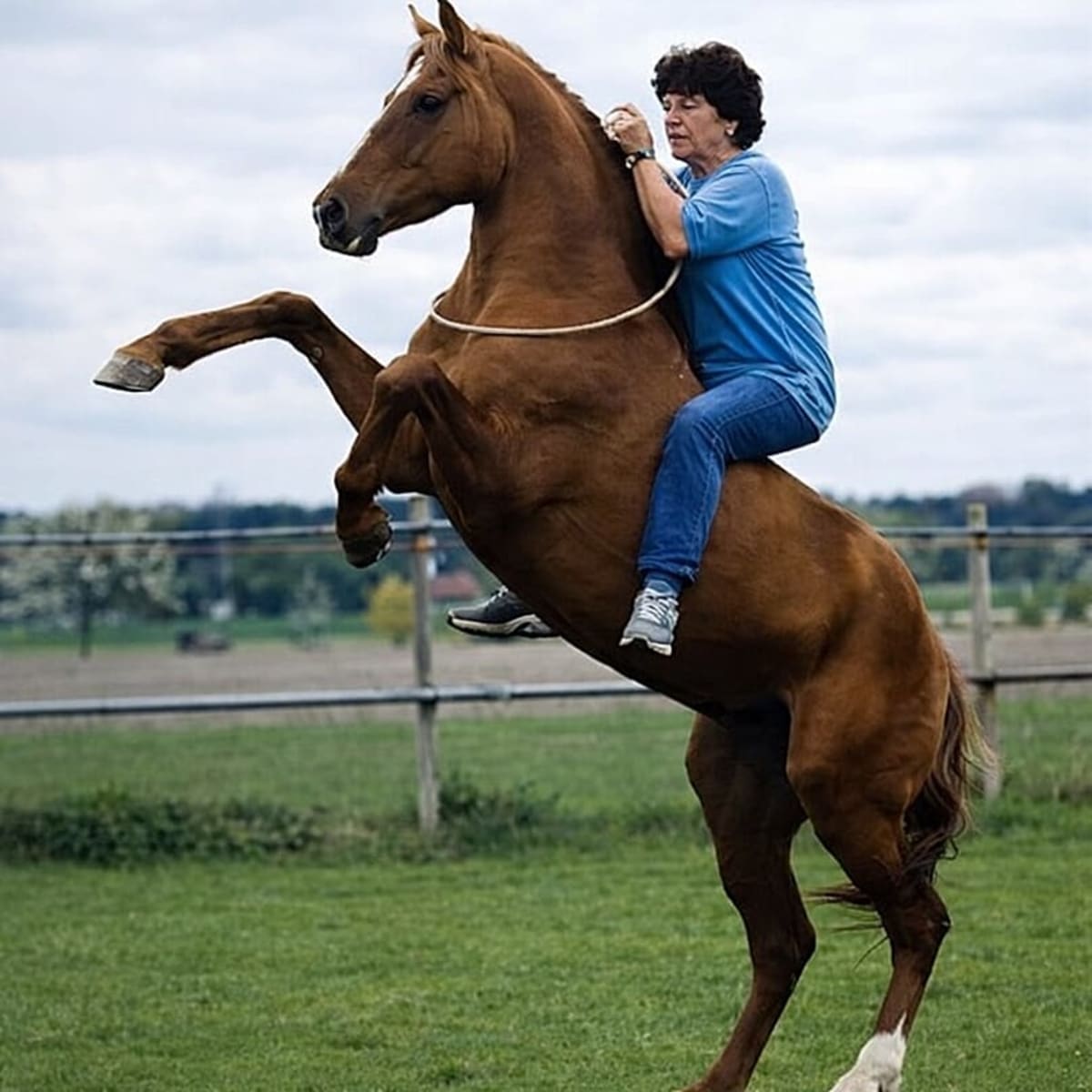
"I could ride Inturist at night in pitch darkness, and he would take the lead, cool and calm," Scholian recalls. "I trusted him one hundred percent."
She founded the association IG Karabakh and Eurasian Horse Breeds, dedicating her life to preserving the breed in Europe through careful documentation and genetic monitoring. Her work complements Azerbaijan's official recovery programs, which have been rebuilding the population since the early 2000s through studbook management and selective breeding.
German horse trainer Philip Hager now prepares young Karabakh horses for equestrian life, focusing on the qualities that made them legendary. "The Karabakh is the type of horse that can take you to mountainous terrain and carry you home safely," he explains. "This is its nature."
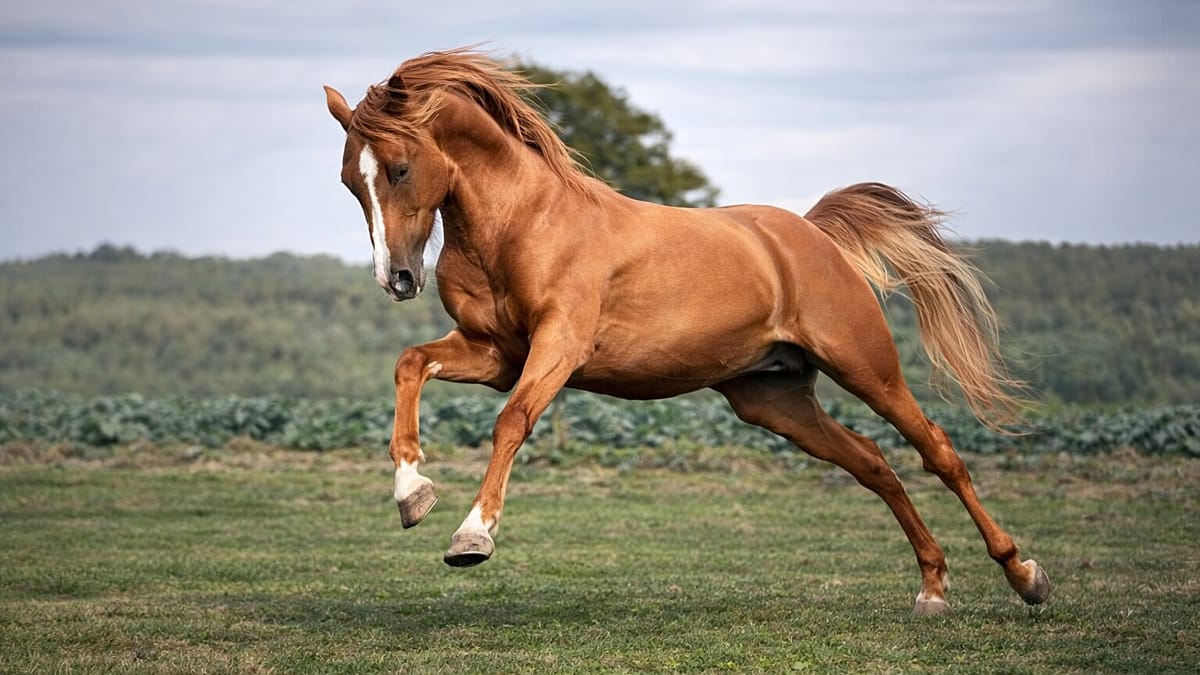
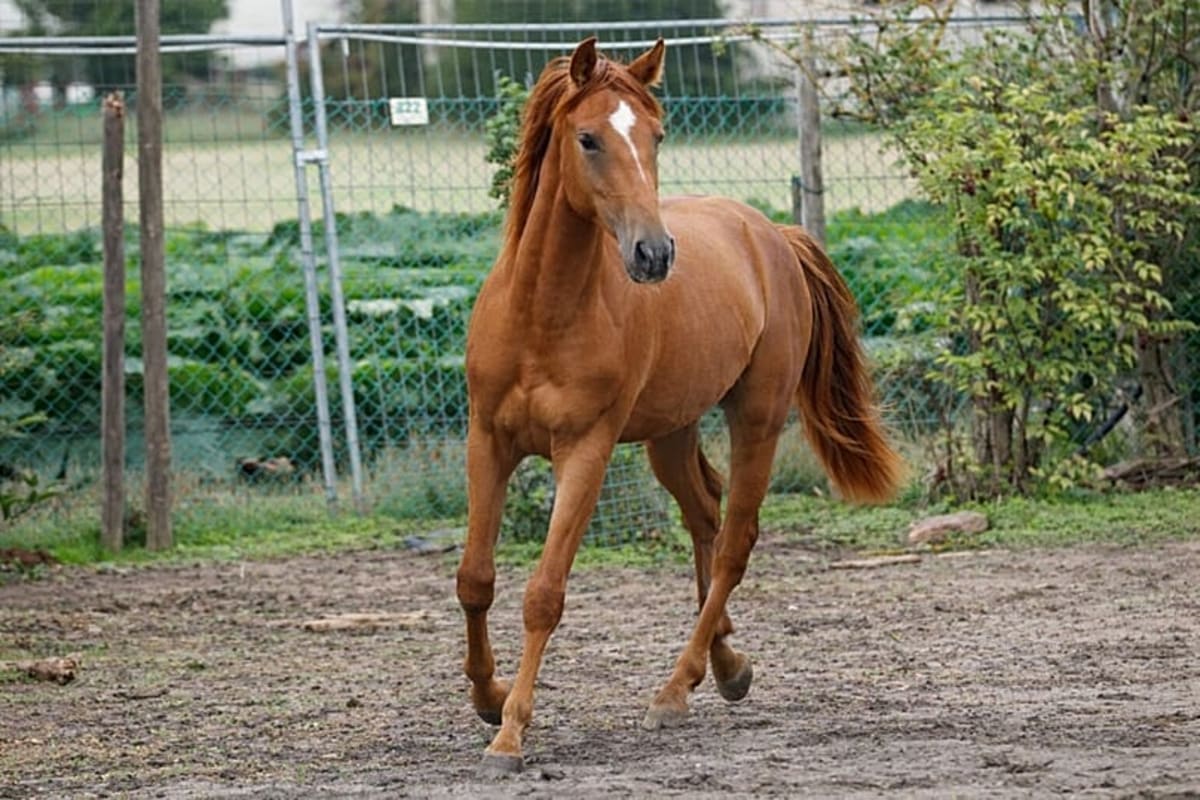
The horses stand compact and athletic at about 1.4 to 1.5 meters tall, with strong builds and calm temperaments perfect for rough terrain. Their most striking feature is their distinctive golden sheen, shimmering across chestnut and bay coats.
Why This Inspires
What makes this story remarkable isn't just saving a rare breed. It's the decades of quiet dedication from people like Scholian, who saw something precious and refused to let it disappear. The partnership between European specialists and Azerbaijani breeders shows how cultural heritage can be protected across borders when people commit to thinking long-term.
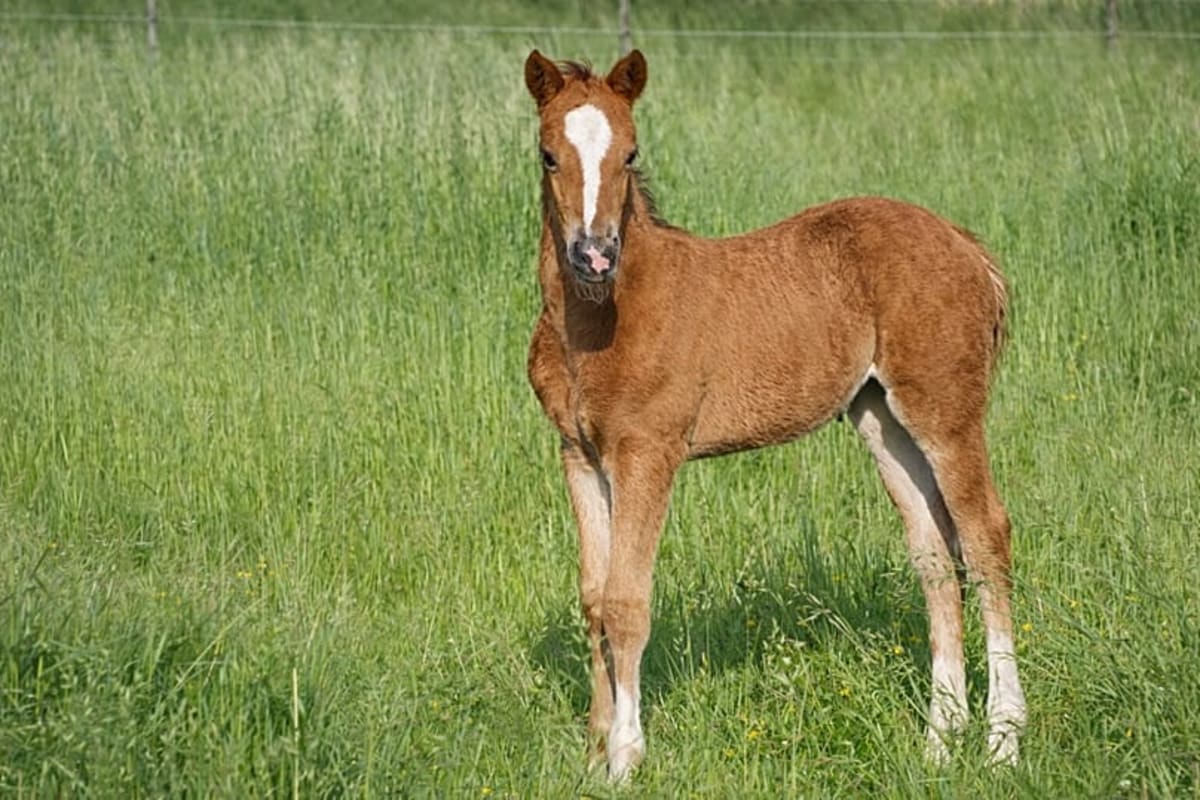
These horses evolved over centuries to survive in demanding mountain environments, developing unique traits that can't be recreated once lost. Every foal born represents genetic diversity and adaptive abilities preserved for future generations.
Azerbaijan's Agriculture Ministry now coordinates recovery efforts at facilities like the Aghdam Horse Breeding Complex, while German trainers ensure the horses retain their historical skills and temperament. Together, they're rebuilding what war and neglect nearly destroyed.
The golden horses of the Caucasus are trotting steadily back from the edge, carrying forward a living piece of history.
More Images
Based on reporting by Euronews
This story was written by BrightWire based on verified news reports.
Spread the positivity!
Share this good news with someone who needs it