South Africa Restores 13,000 Acres, Saves Endangered Species
Conservation teams in South Africa just removed invasive trees and fish from 13,000 acres of critical habitat, saving endangered frogs and the nation's rarest migratory fish. The eight-year effort proved that coordinated action can beat back invasive species even on continental scales.
Conservation teams in South Africa just pulled off something experts said was nearly impossible: eliminating invasive species across 13,000 acres of wild habitat and bringing endangered animals back from the brink.
Between 2017 and 2025, groups working with the International Union for the Conservation of Nature tackled invasive pines, eucalyptus, and predatory fish threatening three critically endangered species. The result? Frogs reappeared in places they'd vanished from, native vegetation bounced back by 28%, and a rare migratory fish population more than doubled.
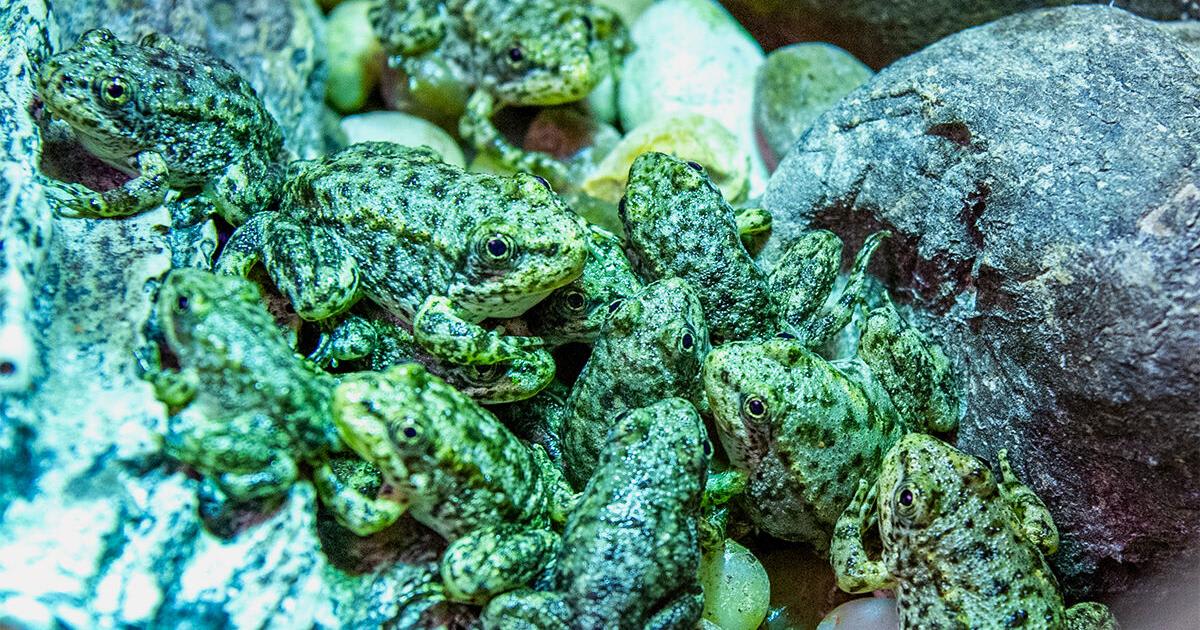
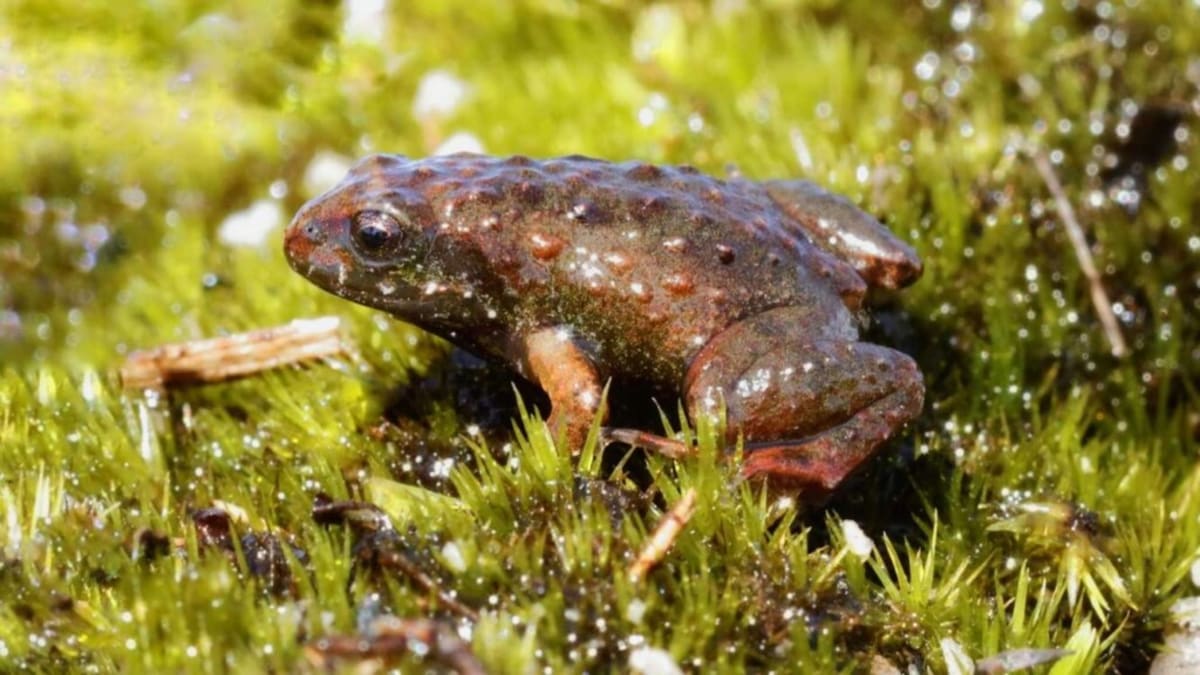
In the Klein Swartberg Mountains, water-guzzling maritime pines were destroying wetlands that the critically endangered rough moss frog needed to survive. Conservationists from the Endangered Wildlife Trust used controlled burns to eliminate the invasive trees across 8,500 acres.
After the burns cleared, field teams discovered six frog populations nobody knew existed. The thirsty pines had been sucking wetlands dry, but now water is flowing back into the restored habitat.
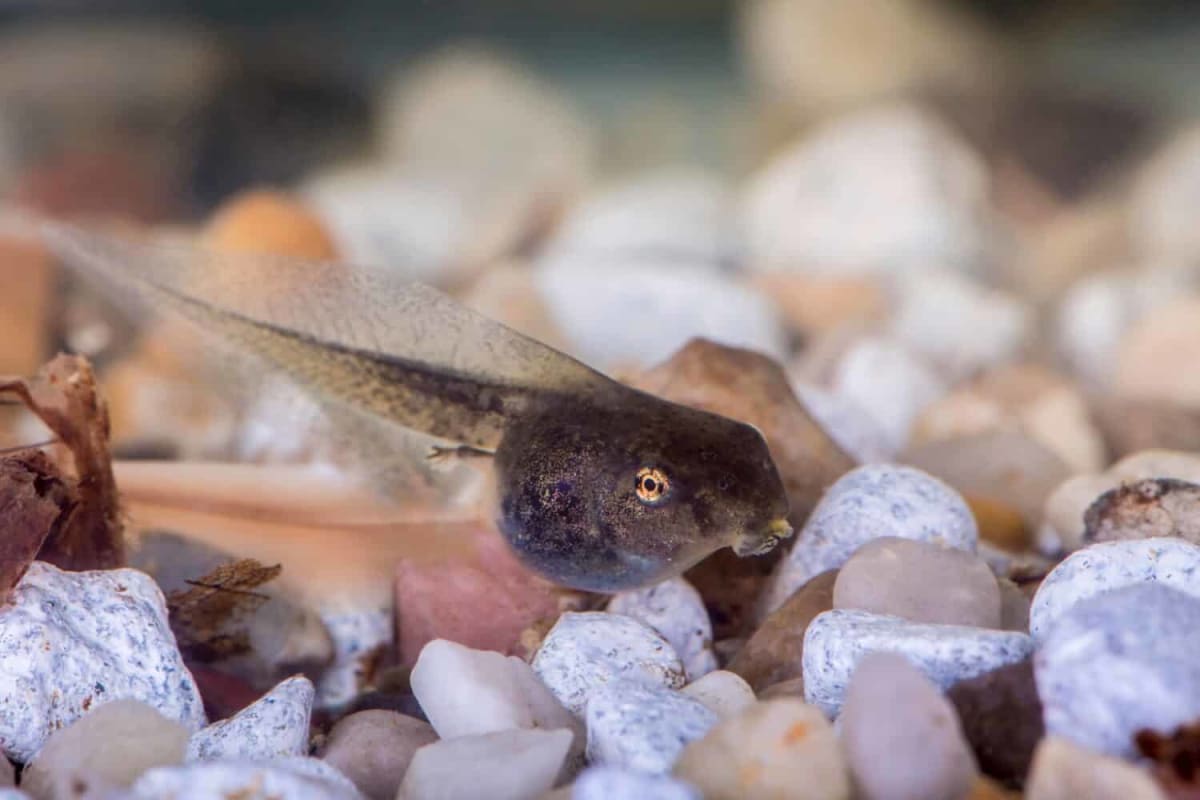
Cape Town's Tokai Park told a similar story. Teams manually cleared 12 acres of invasive eucalyptus and acacia trees, then planted 4,500 native fynbos seedlings to restore habitat for the western leopard toad.
Young conservation interns worked alongside professionals, getting hands-on training while saving an ecosystem found nowhere else on Earth. The Cape Flats Sand Fynbos recovered quickly once the invasive trees were gone.
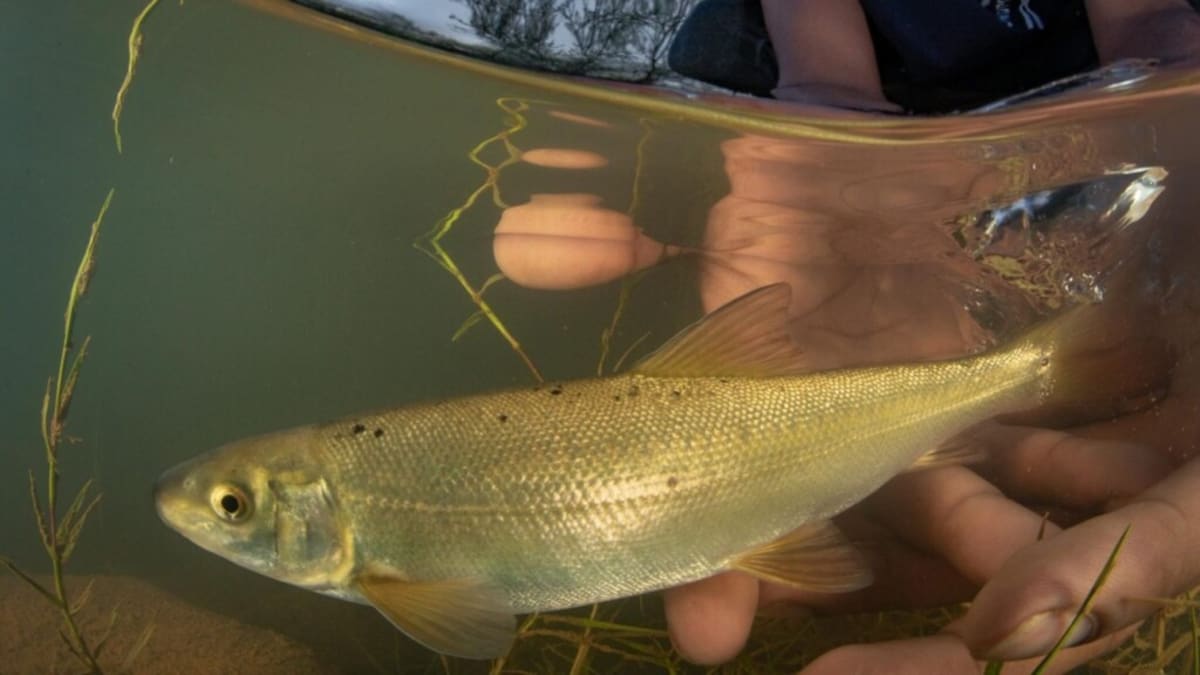
The third victory came from the Biedouw River, where South Africa's most endangered migratory fish was being eaten by invasive bass and bluegill. Conservation teams rescued young Clanwilliam sandfish from danger zones and raised them in predator-free facilities until they grew too large for the invasive fish to eat.
Once released, the population exploded. Spawning migrations jumped from 78 fish in 2020 to 180 in 2021, more than doubling in just one year.
The Ripple Effect
Invasive species cost Africa $65 billion every year in damaged crops, fisheries, and tourism. Most conservation dollars go toward island projects because they're easier to control, leaving continental ecosystems to fend for themselves.
This South African effort proved that comprehensive strategies work even on large, complex landscapes. The key was bringing together multiple organizations, combining removal methods, restoring native habitats, and involving local communities in the solution.
The report from these projects now serves as a blueprint for other nations facing similar invasions. When stakeholders work together with adequate resources and varied approaches, even continent-scale threats can be beaten back.
Three species that were circling the drain now have fighting chances at survival, and 13,000 acres of unique African habitat are breathing easier.
More Images
Based on reporting by Good News Network
This story was written by BrightWire based on verified news reports.
Spread the positivity!
Share this good news with someone who needs it