Google, Meta and McKinsey Back Appalachian Reforestation
Three tech and business giants are funding a project to turn abandoned Appalachian coal mines and degraded farmland into thriving forests again. The initiative could unlock a pathway to restore millions of acres across America while boosting local economies.
Lands scarred by decades of coal mining in Appalachia are getting a second chance at life, thanks to a partnership between Google, Meta, McKinsey and a project developer committed to bringing forests back.
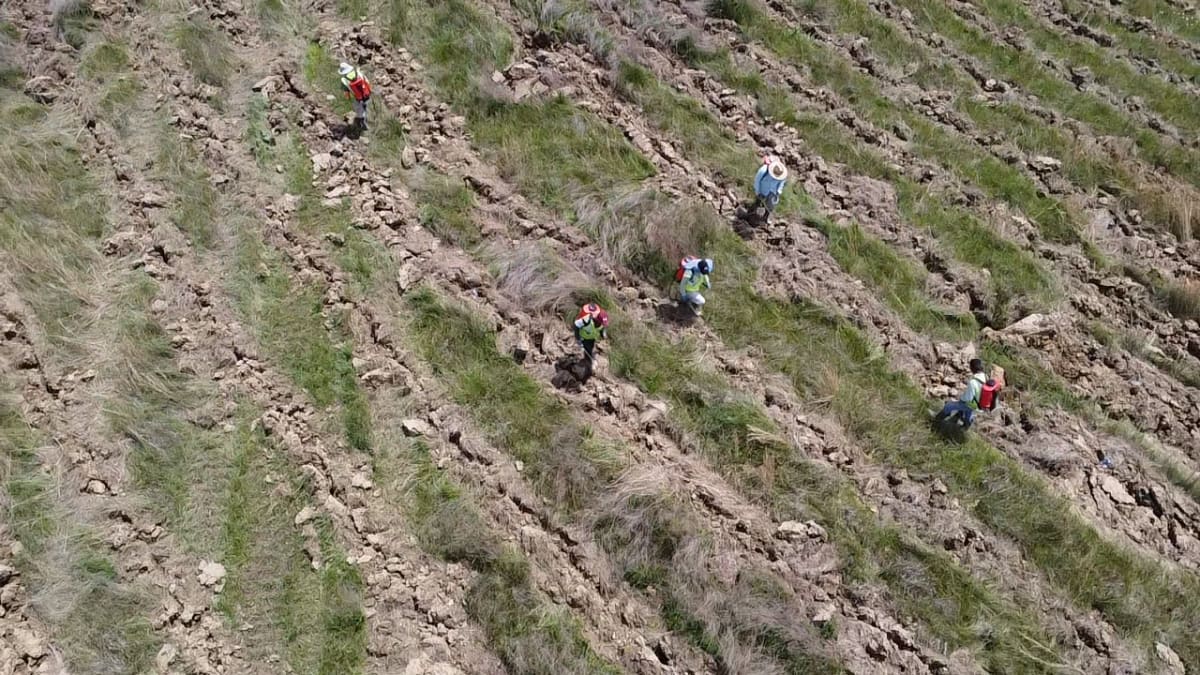
The three companies agreed to purchase more than 130,000 tons of carbon removal credits from Living Carbon, which will plant native hardwood and pine trees on former mine sites and worn-out farmland. The deal runs for 10 years and represents the second major investment facilitated by the Symbiosis Coalition, a group targeting 20 million tons of nature-based carbon removal.
While the credit volume might seem modest compared to some carbon market deals, the real story is what it proves is possible. Across the United States, 1.6 million acres of abandoned mine lands sit waiting for restoration. Add in 30 million acres of degraded farmland suitable for reforestation, and the potential becomes enormous.
"There's potential for this model to be replicated across millions of acres," said Julia Strong, executive director of the Symbiosis Coalition. The coalition formed in 2024 specifically to support projects like this one.
Living Carbon will work with landowners who commit to protecting the new forests for 40 years. After that period, they can harvest timber if they choose. The arrangement gives land that was essentially written off a productive future again.
Reilly O'Hara, program manager for carbon removal at Google, highlighted why the project stood out: restored landscapes, local benefits including biodiversity improvements and economic development, and rigorous science backing the carbon removal estimates.
The Ripple Effect
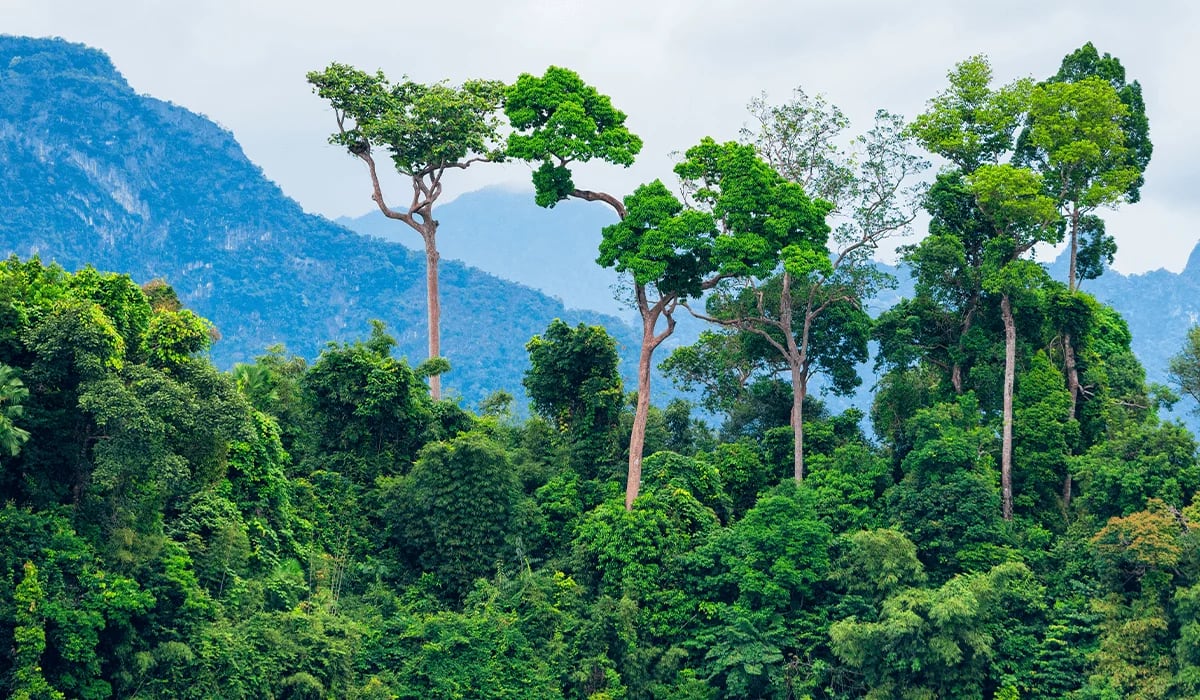
This isn't just about trees and carbon credits. When forests return to degraded lands, they bring wildlife back with them. Native hardwoods and pines create habitats that have been missing for generations in areas stripped by mining or exhausted by farming.
Local economies get a boost too. Reforestation projects create jobs in planting, monitoring and eventually sustainable forestry. Communities that watched their lands decline now have reason to hope for renewal.
The Symbiosis Coalition is already planning its next moves. This week, the organization will issue a second call for proposals from project developers, specifically seeking mangrove and agroforestry projects. Strong hopes to announce new member companies soon to expand the coalition's reach.
The November 2024 deal with Mombak, a Brazilian company reforesting degraded Amazon lands, showed this model works internationally. Now the Appalachian project proves it works at home too. Current coalition members include Bain, REI, Salesforce and Microsoft alongside the three backers of this latest deal.
What started as an experiment in market-driven conservation is becoming a pipeline. Every deal makes the next one easier, building confidence that nature-based solutions can scale to meet the climate challenge while healing landscapes and supporting communities along the way.
More Images



Based on reporting by Google News - Reforestation
This story was written by BrightWire based on verified news reports.
Spread the positivity!
Share this good news with someone who needs it