Google Shifts 9.2 GWh of Solar Power Using Battery Storage
Google just completed a groundbreaking pilot that stores excess solar energy and releases it exactly when data centers need it most. The three-month project proves batteries can help tech giants run on clean power around the clock.
Google just figured out how to save sunshine for a rainy day, and it could transform how the internet runs on clean energy.
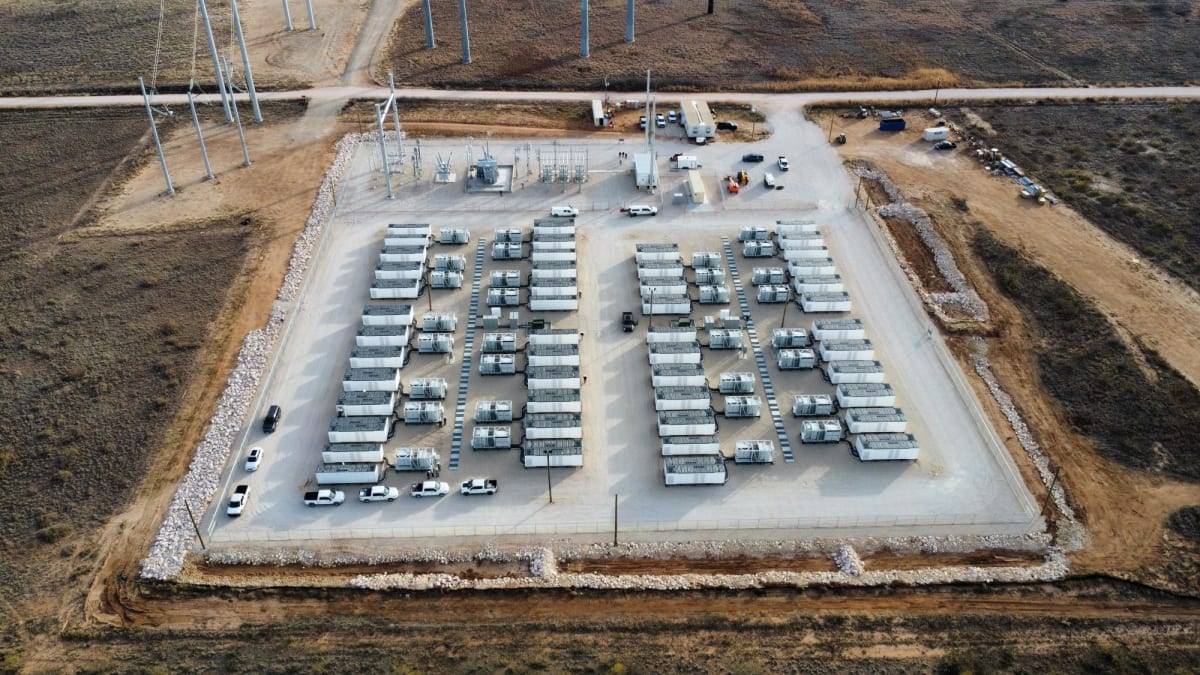
The tech giant completed a three-month pilot with battery storage developer esVolta that stored 9.2 gigawatt-hours of surplus solar power and released it during hours when Google's data centers needed more electricity than their solar panels could provide. Think of it like a massive power bank for the planet.
The project used two battery systems in the United States with a combined capacity of 680 megawatt-hours. That's enough to power thousands of homes for hours at a time.
Here's why it matters. Google already matches 100% of its annual electricity use with renewable energy, but only about 65% on an hourly basis. Data centers don't sleep, and neither does their hunger for power. Solar panels only work when the sun shines.
The pilot solved this puzzle by charging batteries with excess solar during sunny hours and releasing that stored power during evening peaks or cloudy periods. Google identified specific daily windows when consumption would exceed renewable supply, and esVolta timed the battery discharges to fill those exact gaps.
The arrangement let esVolta keep full control of the batteries, including responding to grid emergencies. Google didn't have to take on the technical complexity or financial risk of operating the storage systems directly.
The project used hourly-verified renewable energy credits tracked by a nonprofit standard called EnergyTag. Unlike traditional renewable certificates that bundle months of generation together, these granular certificates carry timestamps showing exactly when clean electricity was produced and used.
The Ripple Effect
This pilot arrives at a crucial moment. Companies worldwide are waiting for clearer rules on how to measure their clean energy progress, and Google's experiment offers a working model.
The results could help cut costs for long-duration battery technology by proving there's real demand and revenue potential. Early research suggests that corporate commitments to hourly clean energy matching, even partial ones, give battery projects the financial confidence they need to get built.
Google aims to power all its operations with carbon-free energy 24/7 by 2030. Closing that gap from 65% to 100% hourly matching will require thousands of projects like this one, combining solar farms with battery storage to smooth out the peaks and valleys of renewable generation.
Other tech giants watching this pilot now have a blueprint for their own clean energy storage strategies. The model proves batteries aren't just backup power, they're time machines that move sunshine from noon to midnight.
More Images


Based on reporting by PV Magazine
This story was written by BrightWire based on verified news reports.
Spread the positivity!
Share this good news with someone who needs it