Google's 1.9GW Clean Data Center Gets World's Largest Battery
Google's new Minnesota data center will run on 1.9 gigawatts of clean energy, powered by the world's largest battery that stores electricity using rust. The massive 100-hour battery uses affordable iron-air technology that could make renewable energy far more reliable.
A tech giant just made the biggest bet yet on a battery technology that sounds almost too simple to work.
Google announced it's building its first Minnesota data center in Pine Island, backed entirely by wind and solar power. But the real game changer is the 300-megawatt battery that will keep everything running when the sun sets and the wind stops blowing.
The battery, built by startup Form Energy, will be the largest in the world at 30 gigawatt-hours. It can deliver power for an incredible 100 hours straight, far longer than typical lithium-ion batteries that last just a few hours.
Here's where it gets interesting. Form's batteries don't use expensive lithium at all. Instead, they store energy by literally rusting and un-rusting iron.
When oxygen flows over iron pebbles inside the battery, the metal rusts and generates electricity. Charging reverses the process, turning rust back into metallic iron and releasing oxygen. It's chemistry class meeting the power grid.
The technology isn't perfect. Iron-air batteries are heavy and only return 50% to 70% of the energy used to charge them, compared to 90% efficiency for lithium-ion. But they come with one massive advantage: cost.
Form says their batteries will ultimately cost just $20 per kilowatt-hour of storage. That's at least three times cheaper than lithium-ion batteries, making renewable energy far more affordable to store.
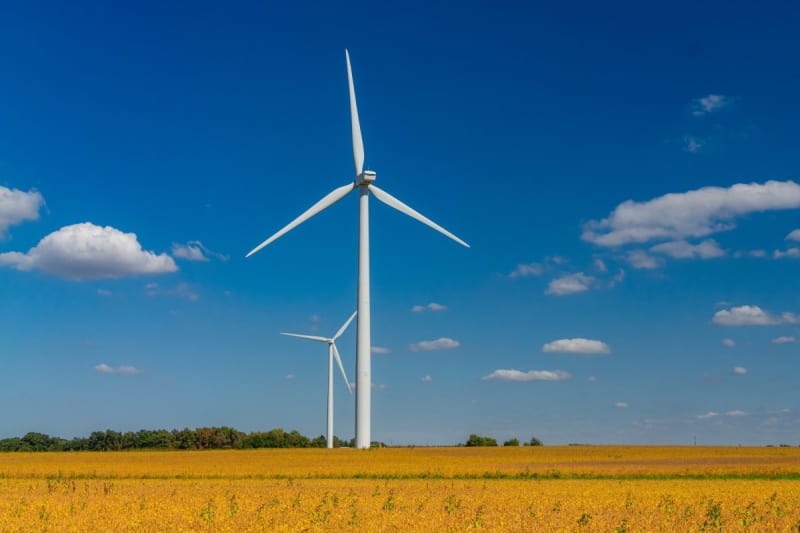
Google is partnering with Xcel Energy to build 1.4 gigawatts of wind power and 200 megawatts of solar power for the project. Together, they'll feed the giant battery that keeps the data center humming on clean energy around the clock.
The project also introduces a clever financial structure to Minnesota that helps utilities try new clean technologies without putting regular customers at risk. Google pays a premium fee so that if the experimental battery doesn't work perfectly, everyday ratepayers won't get stuck with the bill.
Form Energy already has one battery installation underway in Minnesota with Great River Energy. The company manufactures its batteries at a factory in West Virginia and has raised $1.4 billion to scale up production.
The Ripple Effect
This project could transform how we think about renewable energy. The biggest challenge with wind and solar has always been storing power for when nature doesn't cooperate. Cheap, long-lasting batteries solve that problem.
If Form's rust-powered batteries work as promised, they could make renewable energy reliable enough to power everything from data centers to entire cities. Other companies and utilities are already watching closely to see if Minnesota's experiment pays off.
The technology proves that sometimes the simplest solutions are the best ones. While the tech world chases exotic materials and complex chemistry, Form found the answer in one of Earth's most abundant elements doing what it does naturally: rusting.
This data center isn't just about powering Google's servers; it's a test case for making clean energy work everywhere.
More Images


Based on reporting by TechCrunch
This story was written by BrightWire based on verified news reports.
Spread the positivity!
Share this good news with someone who needs it