West Bengal Bets on Clean Energy to Power Industrial Boom
West Bengal is transforming its energy future with round-the-clock renewable power that could make it a manufacturing magnet. The state has over 48,000 MW of untapped clean energy potential waiting to fuel its next economic chapter.
West Bengal is turning its biggest challenge into its greatest opportunity by building a clean energy system that runs 24/7.
As the state's new government charts its economic future, it faces a straightforward math problem. Electricity demand will grow 5 percent every year for the next two decades, while industrial power needs are expected to jump 19 percent annually through 2032. The answer they've chosen could reshape eastern India's economy.
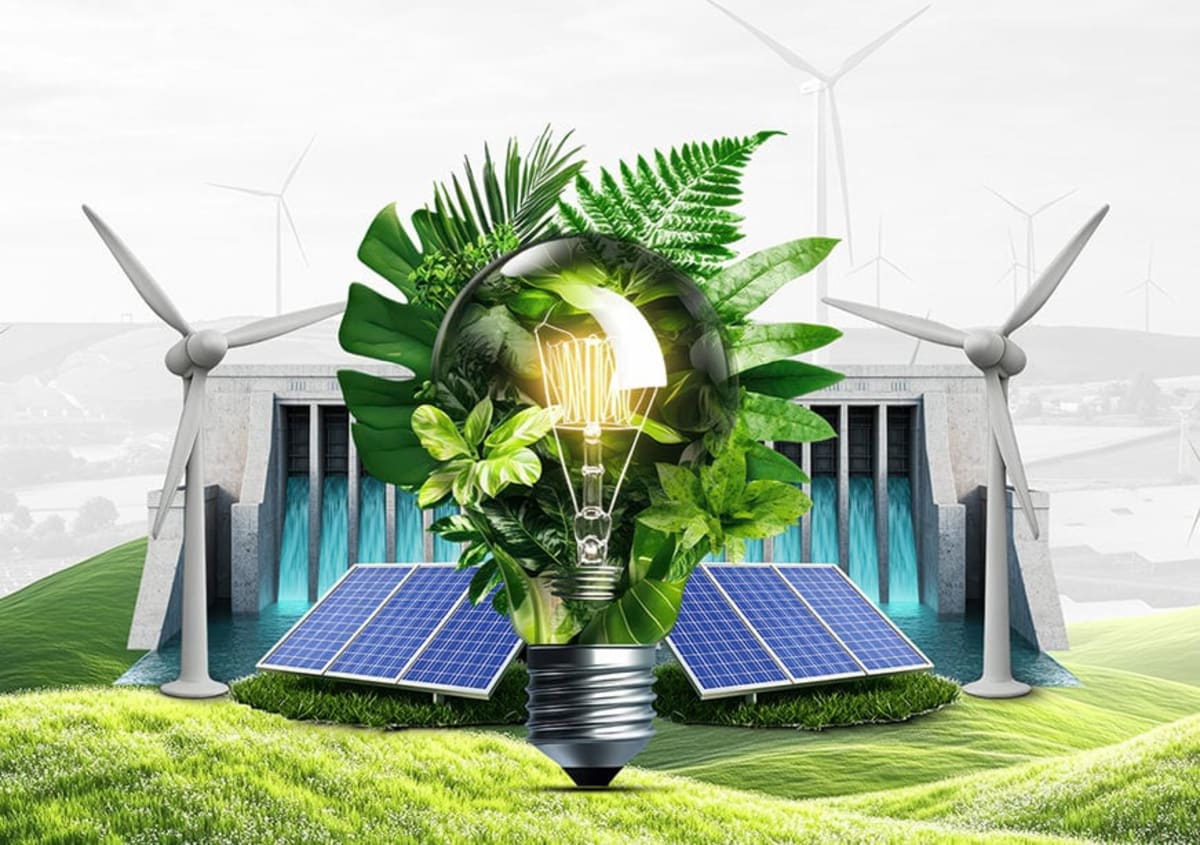
West Bengal is betting on renewable energy with storage, a game-changing approach that delivers clean power around the clock. Unlike traditional solar or wind that only works when the sun shines or wind blows, this system combines renewable generation with batteries to provide reliable electricity anytime industries need it.
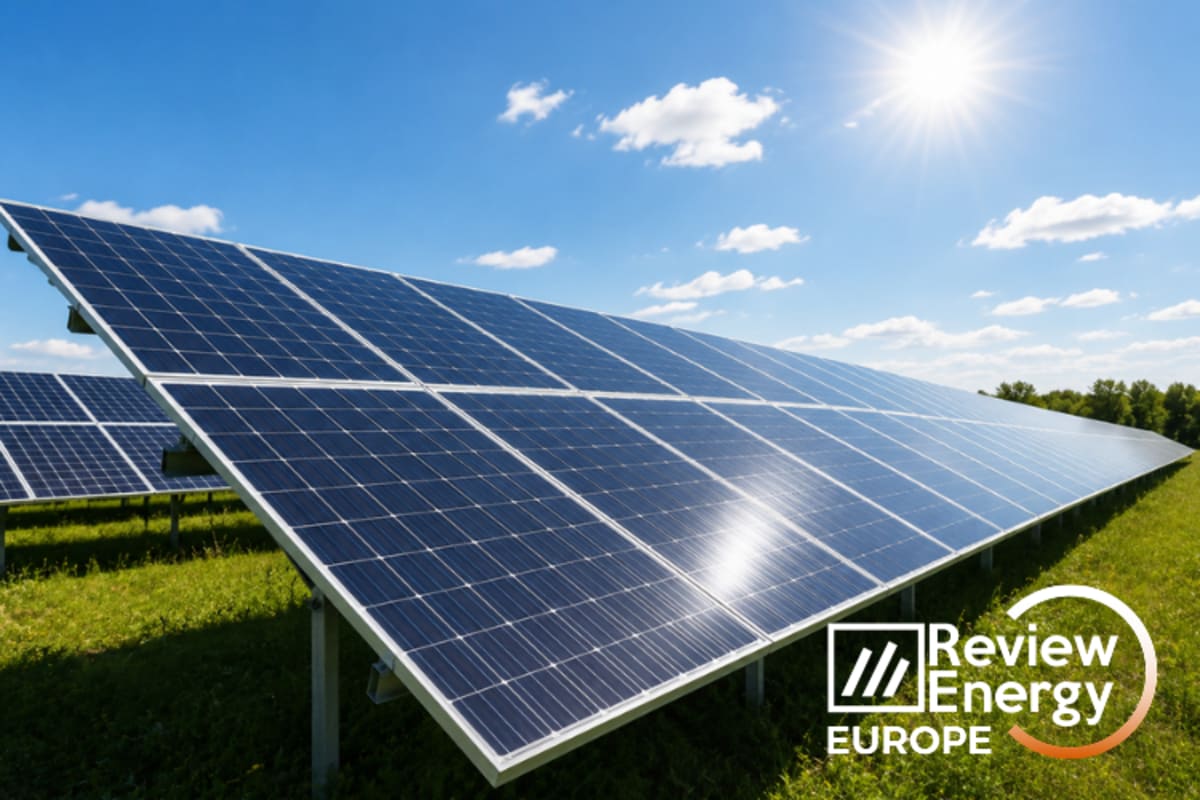
The potential is staggering. The state has identified over 19,000 MW of solar capacity on the ground, 3,567 MW of floating solar on reservoirs, nearly 23,000 MW of wind power, and close to 2,900 MW from agricultural waste. Mining lands, industrial sites, and water bodies that once seemed useless are becoming foundations for a new energy economy.
For manufacturers in Haldia, Durgapur, and Kolkata, this shift solves a critical problem. Steel mills, chemical plants, and data centers need constant power, not intermittent bursts. Round-the-clock renewable systems can be built in two to three years, compared to six or seven years for coal plants, letting the state respond faster to growing demand.
The timing couldn't be better for global competitiveness. International companies increasingly choose manufacturing locations based on carbon footprint, and Bengal's industrial corridor handles over 45 million tonnes of cargo annually through Haldia Port alone. Reliable green power gives the state an edge in attracting the next wave of investment.
The Ripple Effect
The benefits extend far beyond factory floors. Switching from coal to renewables protects state budgets from fuel price swings that have hammered economies worldwide. Battery storage costs have dropped 90 percent in the past decade, making clean power increasingly cheaper than coal while avoiding decades of locked-in expenses from traditional thermal plants.
MSMEs, cold storage facilities, and logistics hubs across the state will gain access to dependable electricity without the pollution burden of aging coal systems. Rural areas with biomass potential can turn agricultural waste into revenue streams while powering local development.
West Bengal once powered India's industrial revolution through coal, and now it's writing the next chapter with sunshine, wind, and innovation.
Based on reporting by Google: clean energy investment
This story was written by BrightWire based on verified news reports.
Spread the positivity!
Share this good news with someone who needs it