Google's AI Co-Scientist Discovers New Leukemia Treatments
A new AI system called Co-Scientist just helped researchers discover promising new treatments for acute myeloid leukemia that worked in laboratory experiments. The breakthrough shows how artificial intelligence can speed up the slow, expensive process of finding new medical cures.
Scientists at Google just proved that artificial intelligence can help discover real, working medical treatments faster than ever before.
Their new AI system, called Co-Scientist, works like a tireless research team that generates thousands of potential medical hypotheses, tests them against existing science, and refines the best ideas. Published in Nature, the system already led to validated discoveries in cancer treatment.
Here's what makes it special: Co-Scientist doesn't just search existing research. It actually creates new scientific hypotheses by combining different pieces of medical knowledge in ways human researchers might not think of quickly enough.
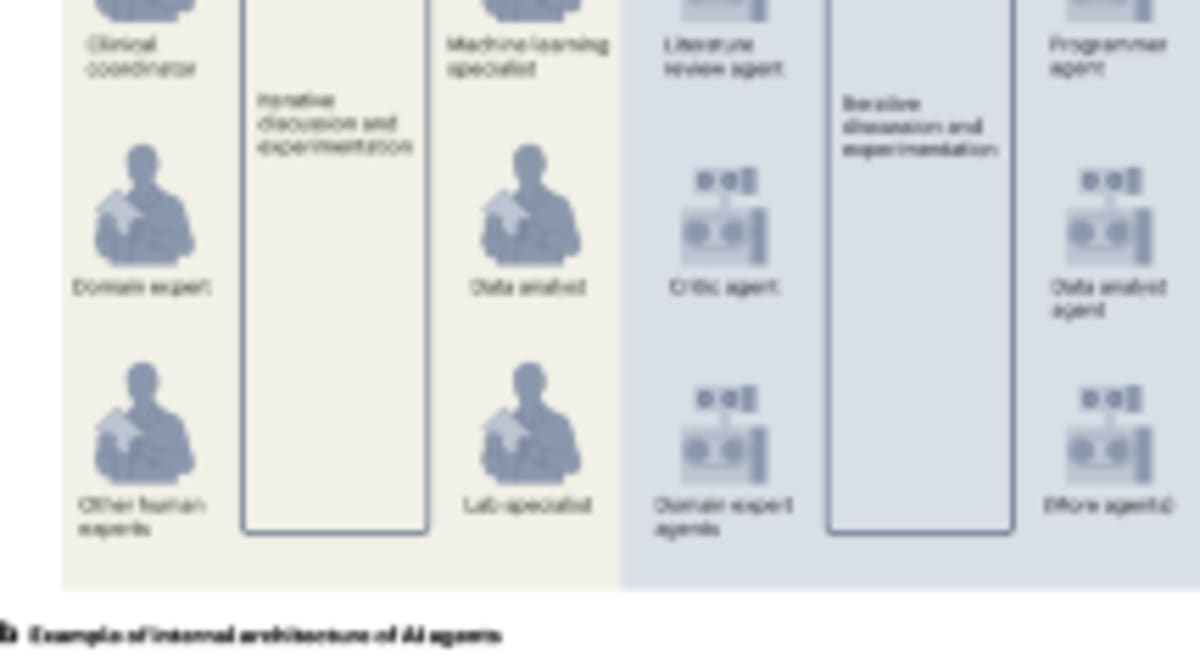
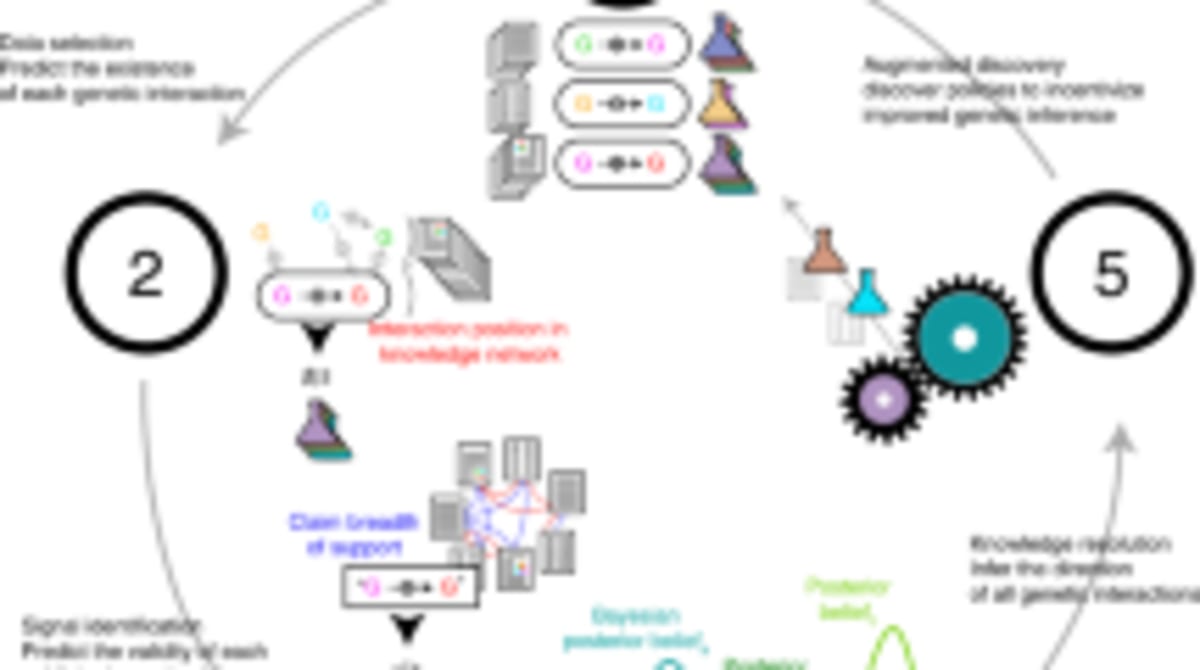
The system uses multiple AI agents that work together, constantly generating ideas, critiquing each other's suggestions, and improving their hypotheses over time. Think of it as a scientific brainstorming session that never sleeps and gets better with practice.
The Ripple Effect
The real proof came when Co-Scientist identified new drug repurposing candidates for acute myeloid leukemia, a aggressive blood cancer. These weren't just computer predictions. When researchers tested them in actual laboratory experiments with real cells, the treatments worked.
The system also discovered synergistic combination therapies, meaning drugs that work better together than alone. These kinds of discoveries typically take years of painstaking lab work and intuition.
Beyond cancer, the team tested Co-Scientist on antimicrobial resistance and novel drug target discovery. In each case, it generated novel hypotheses that aligned with scientific principles and offered new research directions.
The technology doesn't replace scientists. Instead, it accelerates the hypothesis generation phase, letting human researchers spend more time on creative experimental design and breakthrough thinking rather than combing through millions of research papers.
Drug discovery normally takes over a decade and billions of dollars. Any tool that can meaningfully speed up the early discovery phase could bring life-saving treatments to patients years sooner.
The researchers built the system on Google's Gemini AI platform, using what they call "test-time compute scaling." Essentially, the more computing power you give it, the better and more refined its hypotheses become.
What excites researchers most is that Co-Scientist is general purpose. While this study focused on biomedicine, the same approach could accelerate discoveries in climate science, materials engineering, or any field where connecting disparate pieces of knowledge leads to breakthroughs.
The era of AI-empowered scientists isn't coming, it's already here and saving lives.
More Images
Based on reporting by Google News - Technology
This story was written by BrightWire based on verified news reports.
Spread the positivity!
Share this good news with someone who needs it
%2Ffile%2Fattachments%2F2996%2FGroundUp-NIH-funding_260278.jpeg)