German Scientists Use Light to Build Medicine Molecules
Researchers in Germany invented a light-powered method to create tiny "housane" molecules that could revolutionize drug development. The breakthrough makes it easier to build the same type of strained molecular structures found in medicines like penicillin.
Scientists just found a gentler way to build some of nature's trickiest molecular building blocks, and it could make creating new medicines much easier.
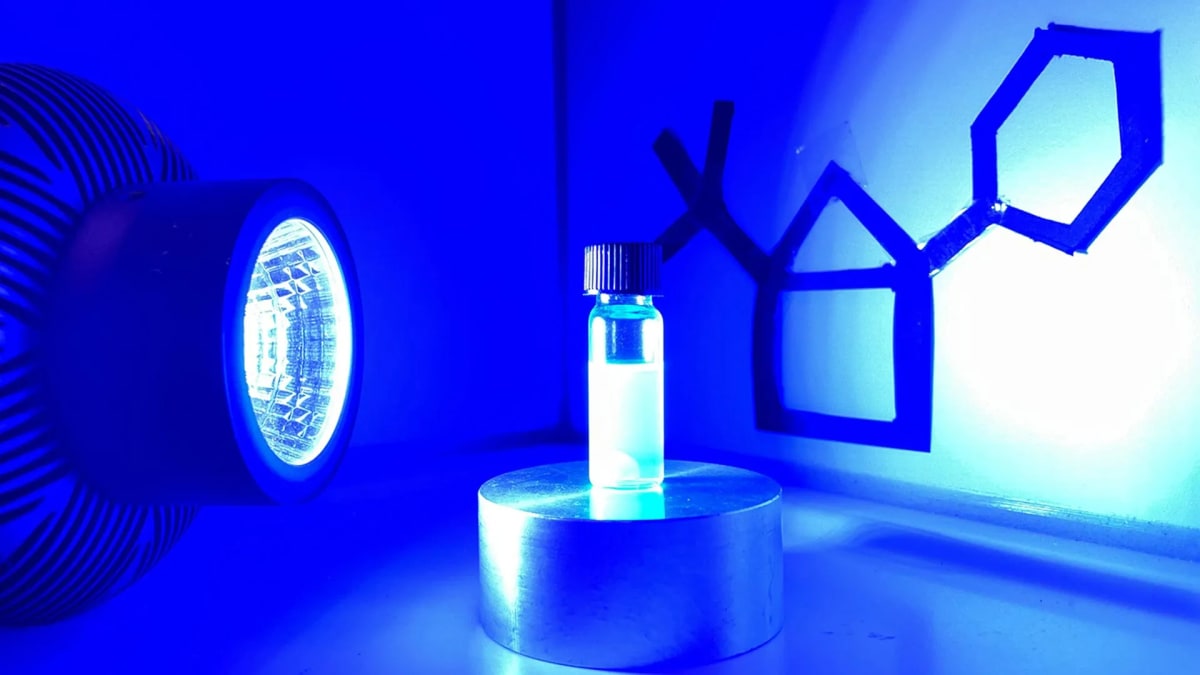
A team at the University of Münster in Germany developed a technique that uses light energy to create "housanes," tiny ring-shaped molecules named after their house-like appearance. These compact structures pack enormous internal tension, similar to a tightly coiled spring, which makes them incredibly useful for building complex drugs.
Professor Frank Glorius and his team solved a problem that has frustrated chemists for years. Traditional methods for making these strained molecules required extreme heat and harsh conditions that often destroyed the very chemical features needed for pharmaceutical work.
The new approach starts with simple compounds called 1,4-dienes, which are widely available and inexpensive. When exposed to light, a photocatalyst channels energy into these starting materials and guides them to fold into the desired housane structure. The light essentially provides the extra push needed to overcome the energetic hurdles that make these reactions so difficult.
The real innovation came from tweaking the molecular side chains on the starting materials. These adjustments prevented unwanted side reactions that normally derail the process, giving researchers much cleaner and more predictable results.
These strained ring structures matter because they behave like molecular power tools. The tension stored inside them can drive subsequent chemical reactions, helping scientists build complicated compounds more efficiently. Penicillin, one of history's most important antibiotics, relies on exactly this kind of strained ring structure to work its medical magic.
Why This Inspires
This breakthrough represents the kind of fundamental science that quietly transforms medicine over time. By making housanes easier and cheaper to produce, researchers are essentially expanding the toolkit available to drug developers worldwide.
The method also tolerates a wider variety of molecular attachments than previous techniques, giving chemists more creative freedom. That flexibility could lead to entirely new classes of medicines and materials that were previously too difficult or expensive to manufacture.
What makes this particularly exciting is how accessible the technique is. Unlike methods requiring specialized equipment or extreme conditions, this light-driven approach uses relatively simple setups that more laboratories can adopt.
The team confirmed their understanding of the process using computer modeling, which means other researchers can build on this work with confidence. The findings appeared in Nature Synthesis this month.
From antibiotics to advanced materials, the ripple effects of better molecular building blocks touch countless aspects of modern life.
Based on reporting by Science Daily
This story was written by BrightWire based on verified news reports.
Spread the positivity!
Share this good news with someone who needs it