Arctic Squirrels May Help Save Heart Attack Victims
Scientists studying Arctic ground squirrels that survive freezing temperatures for eight months are discovering breakthrough treatments for heart attacks, strokes, and brain injuries. The tiny rodents' ability to slow their metabolism to near-death levels could soon help doctors buy precious time for critical patients.
A small copper-colored squirrel in Alaska might hold the secret to saving millions of human lives.
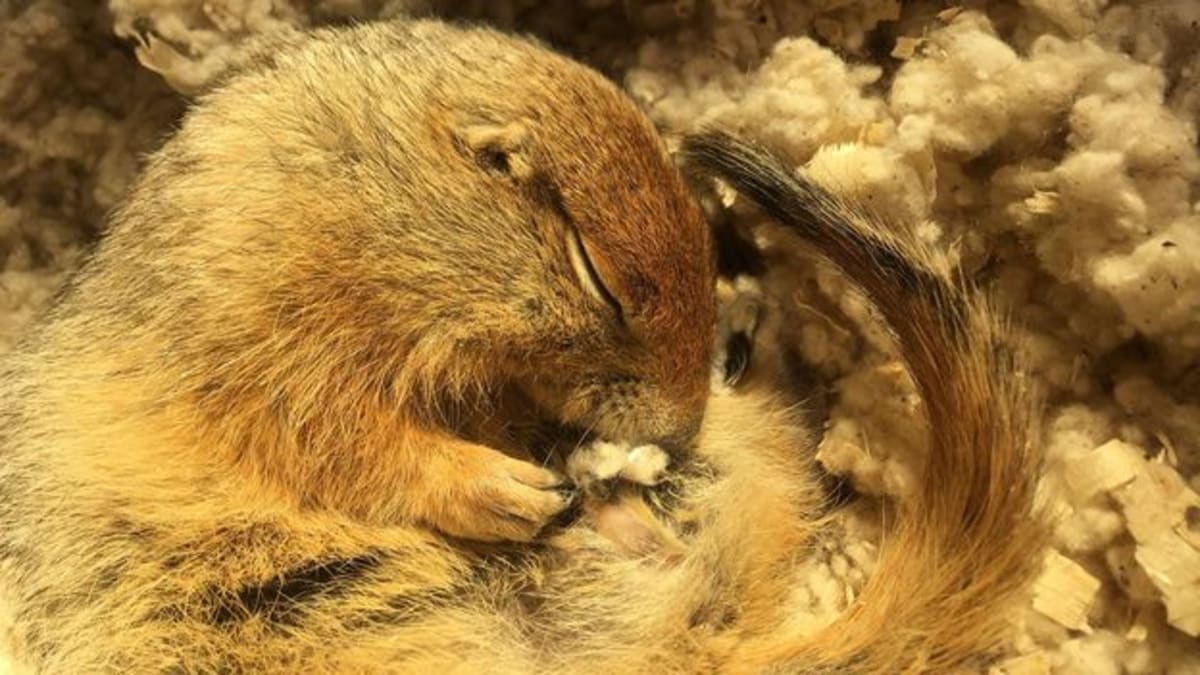
Arctic ground squirrels survive eight months underground each winter with body temperatures dropping below freezing. Their brains cool to 0°C, their limbs to nearly -3°C, making them the coldest-surviving mammals on Earth.
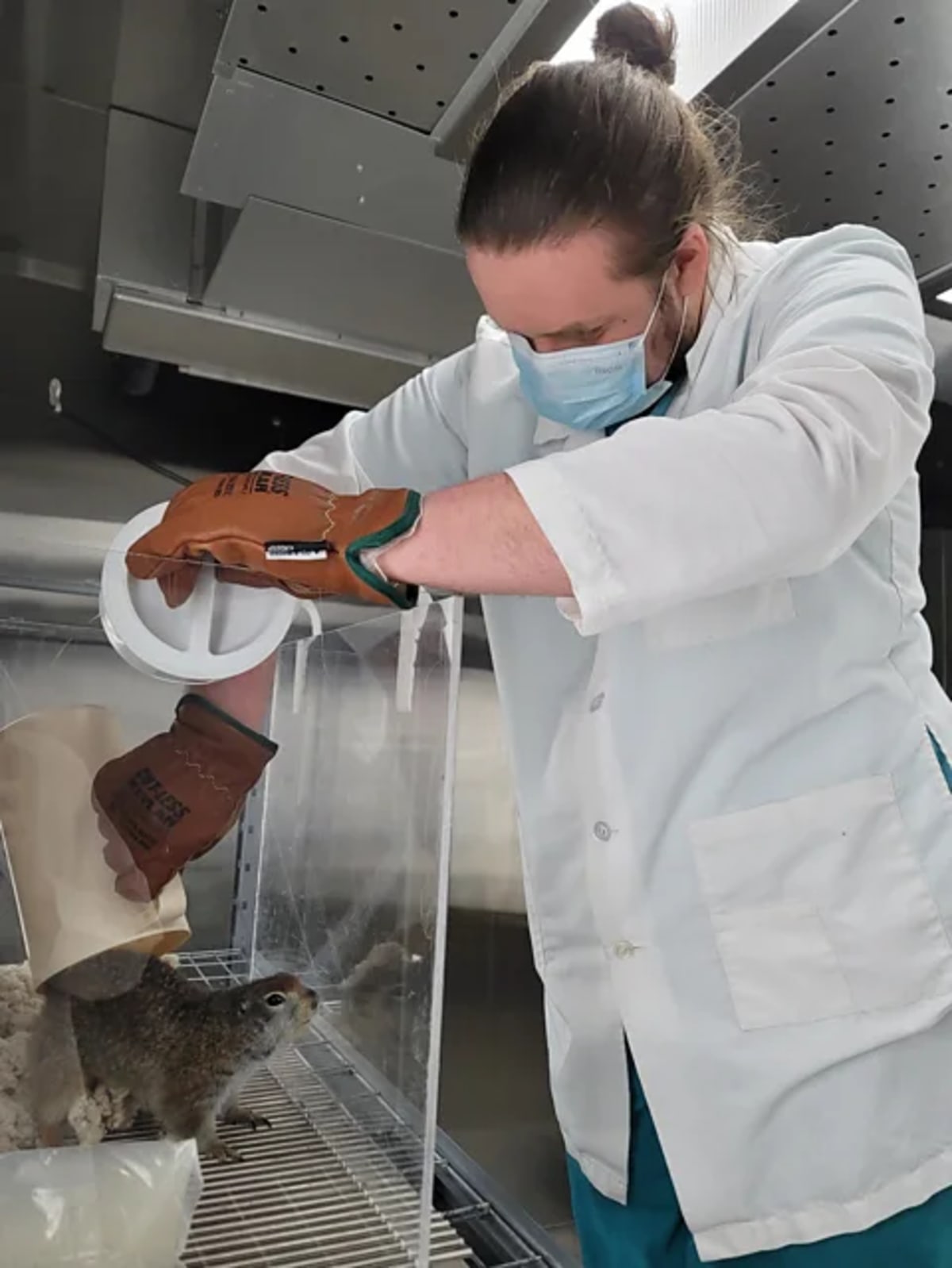
Scientists at the University of Alaska Fairbanks have studied these remarkable creatures for over 50 years. They've discovered that the squirrels don't just endure the cold—they actively slow their metabolism to survive, taking only a few breaths and heartbeats per minute.
Now researchers are turning that survival trick into medical treatments. If doctors could safely slow human metabolism the same way, they could buy critical time for patients suffering heart attacks, strokes, and traumatic brain injuries.
Current treatments use ice or medications to cool patients and protect oxygen-deprived organs. But the body fights back by shivering and trying to warm itself, making the process difficult and sometimes ineffective.
The squirrel approach works differently. By triggering the body's natural slowdown mechanisms, cooling happens without resistance.
Scientists have already identified one key trigger: adenosine, the same molecule that makes humans drowsy at night. When researchers studied how adenosine works in hibernating squirrels, they found pathways that could be activated in humans too.
Why This Inspires
This research shows how nature's extreme survivors can unlock solutions to our biggest medical challenges. The applications reach far beyond emergency rooms too.
Slowing metabolism could preserve organs for transplant longer outside the body. It might protect cancer patients from radiation's harmful effects. The US Army is funding this research to help wounded soldiers in remote battlefield locations survive longer before reaching hospitals.
Hibernation scientist Sarah Rice puts it simply: "If you could really genuinely, safely slow down metabolism for a long time, you could buy time for critical illness."
The work is still young, but early results show promise. What once seemed like science fiction—putting humans into controlled suspended states—is becoming real medicine, all thanks to a small squirrel built to survive Alaska's brutal winters.
Sometimes the biggest breakthroughs come from the smallest creatures showing us what's possible.
More Images


Based on reporting by Google News - Health
This story was written by BrightWire based on verified news reports.
Spread the positivity!
Share this good news with someone who needs it