
Google's AI Search Now Gives 4 Types of Answers
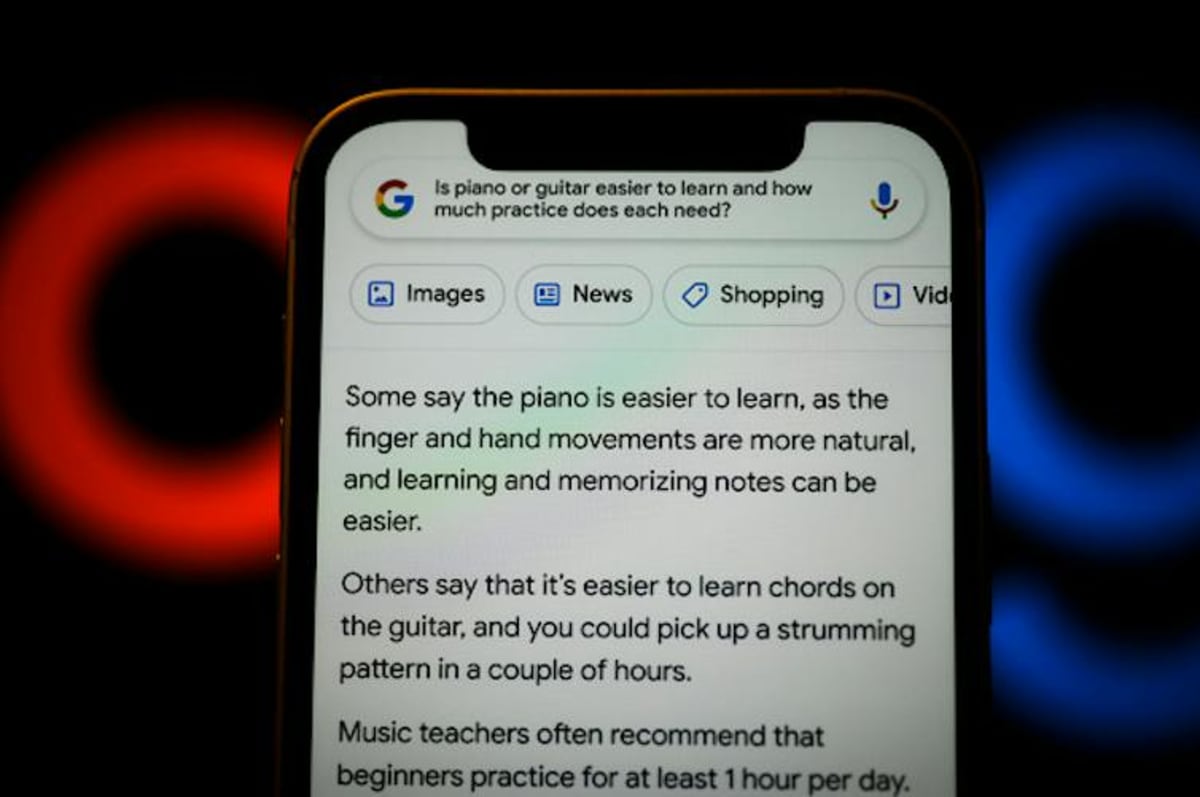
Google search now delivers AI-generated answers instead of just links, but not all answers are created equal. A university librarian has created a simple system to help people judge which AI responses they can trust. ##
The next time Google's AI answers your question, you might want to pause before accepting what it says.
John Palfrey, a university librarian at the University of Virginia, recently searched "How much screen time is too much for teenagers?" Instead of links, Google's AI gave him a direct answer. Then he noticed something important: different questions got different kinds of answers, and each type needed to be judged differently.
Palfrey developed a simple framework to help people evaluate AI responses. He calls it an "answer typography" with four types: factual, interpretive, constructive, and strategic.
Factual answers are the easiest to verify. Questions like "When was the University of Virginia founded?" have clear, checkable answers. If the AI cites a source, click through to verify instead of trusting the AI's summary.
Interpretive answers weigh evidence but don't have one right answer. When Palfrey asked about screen time, Google first cited two hours as a limit, then noted that quality matters more than quantity. The American Academy of Pediatrics agrees there's no exact number for teens. For these answers, ask yourself what evidence the AI emphasized and what it left out.
Constructive answers create something new, like drafting a cover letter or eulogy. There's no single correct version. Judge these by considering whether they match your voice, purpose, and audience.
Strategic answers guide decisions like "Should I take a daily aspirin?" Google's AI warned about risks and suggested Palfrey consult a doctor with details about his age and medical history. The U.S. Preventive Services Task Force confirms this individualized approach is correct.
The tricky part? AI presents all four types in the same confident voice. A single response can shift between factual claims and personal advice without changing tone.
The Bright Side
This framework arrives at the perfect time. As AI answers become standard in search engines, people need simple tools to evaluate what they're reading. Palfrey's system doesn't require technical knowledge or special training.
The best part? Major AI systems like Google are already building in helpful cautions. When Palfrey asked about aspirin, the AI told him to consult a medical professional and offered to customize advice if he shared more details. That's responsible design meeting user awareness.
Libraries across the country are now teaching Palfrey's framework as part of AI literacy programs. The goal isn't to avoid AI answers but to use them wisely by asking one crucial follow-up question: What kind of answer did I just receive?
Smart tools work best with informed users, and now we have a roadmap for both.
##
More Images
Based on reporting by Google News - Technology
This story was written by BrightWire based on verified news reports.
Spread the positivity!
Share this good news with someone who needs it