Google's AI Tech Uses 6X Less Energy at Data Centers
Google just unveiled a breakthrough that makes artificial intelligence run six times more efficiently, slashing energy use and opening doors to powerful AI on your smartphone. The innovation couldn't come at a better time for our planet and our pockets.
Your future smartphone might soon run AI models that currently require entire warehouses of computers.
Google quietly dropped a research paper this week introducing TurboQuant, a compression algorithm that makes large language models use six times less memory. That translates directly into dramatically less energy consumption and opens up possibilities that seemed impossible just months ago.
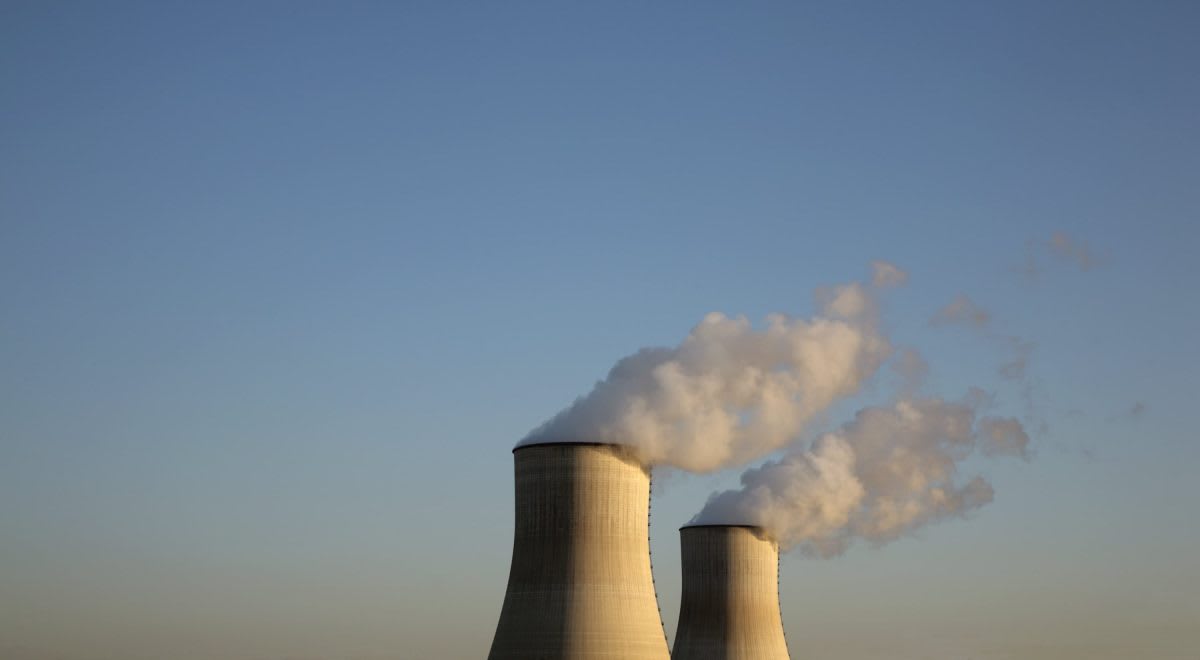
The breakthrough comes at a perfect moment. Data centers powering today's AI consume staggering amounts of electricity and water, and communities across America have been pushing back against new construction. Permits are stalling, power grids are stretched thin, and tech companies need solutions that don't require building massive new facilities.
TurboQuant solves that problem by making AI smarter, not bigger. The algorithm works by compressing how AI models store and retrieve their most frequently used information. Think of it like teaching a library to organize books so efficiently that it can fit six libraries worth of content in the same space.
The technical details involve rotating data vectors and reducing key-value cache bottlenecks, but here's what matters for everyday life. Your phone could soon run AI models that currently need cloud computing. Existing data centers could handle much more complex AI without expanding. And companies might not need to rush into building unpopular new facilities that strain local resources.
This follows a trend started by China's DeepSeek earlier in 2025, which proved that leaner AI models can perform nearly as well as their energy-hungry counterparts. While DeepSeek faced privacy concerns, it sparked a race to build more efficient systems.
The Ripple Effect
Beyond just making technology work better, efficient AI could reshape our relationship with computing power entirely. Less energy means lower costs for companies, which could mean cheaper AI services for consumers. It means less strain on electrical grids already struggling to keep up with demand.
It could also slow the frantic pace of data center construction that's been meeting resistance from environmental groups and local communities nationwide. The NAACP recently joined citizens opposing new facilities, citing concerns about resource consumption in their neighborhoods.
The innovation represents something bigger than just better technology. It's proof that when we hit resource limits, human ingenuity finds ways to do more with less. The same pattern played out with ZIP files speeding up downloads and video compression enabling Netflix to exist.
Now it's AI's turn to get smarter about using what we have.
More Images

Based on reporting by Google News - AI Breakthrough
This story was written by BrightWire based on verified news reports.
Spread the positivity!
Share this good news with someone who needs it