Google's Gemini AI Now Controls Full Humanoid Robots
Google DeepMind just taught its Gemini AI to control entire robot bodies, from tying knots to changing lightbulbs. The breakthrough brings us closer to helpful household robots that can learn one skill and apply it across different tasks and robot bodies.
The childhood dream of having a helpful robot assistant just took a major leap forward, and it's powered by the same AI you might use to search the web.
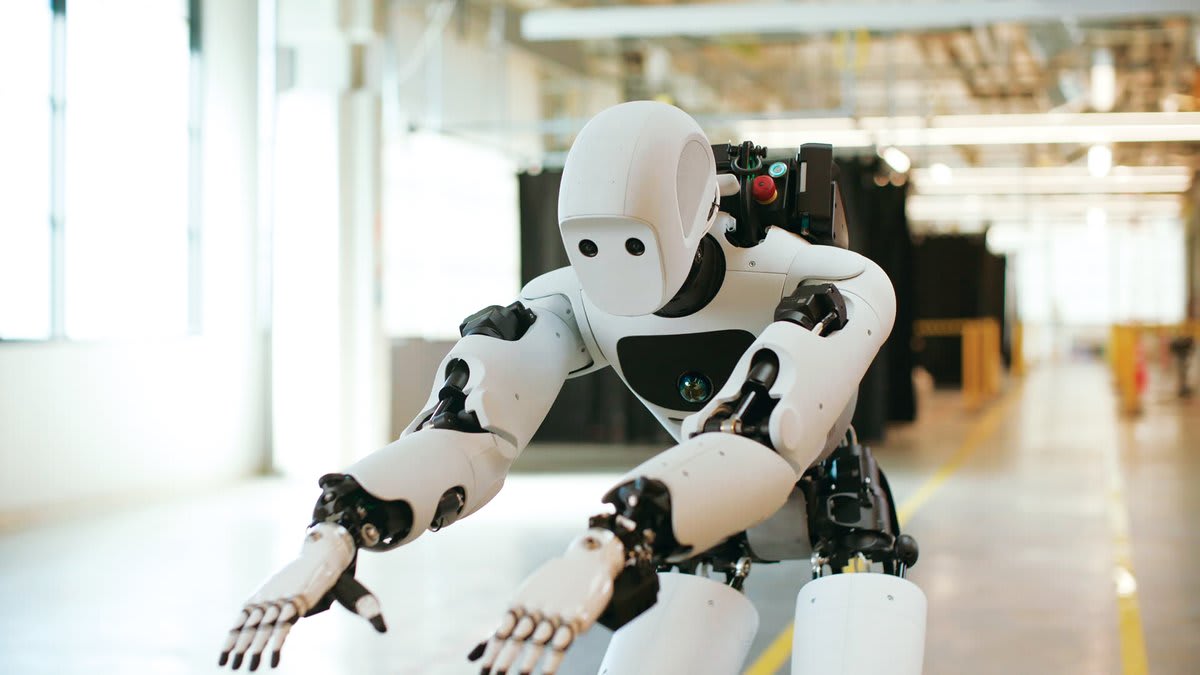
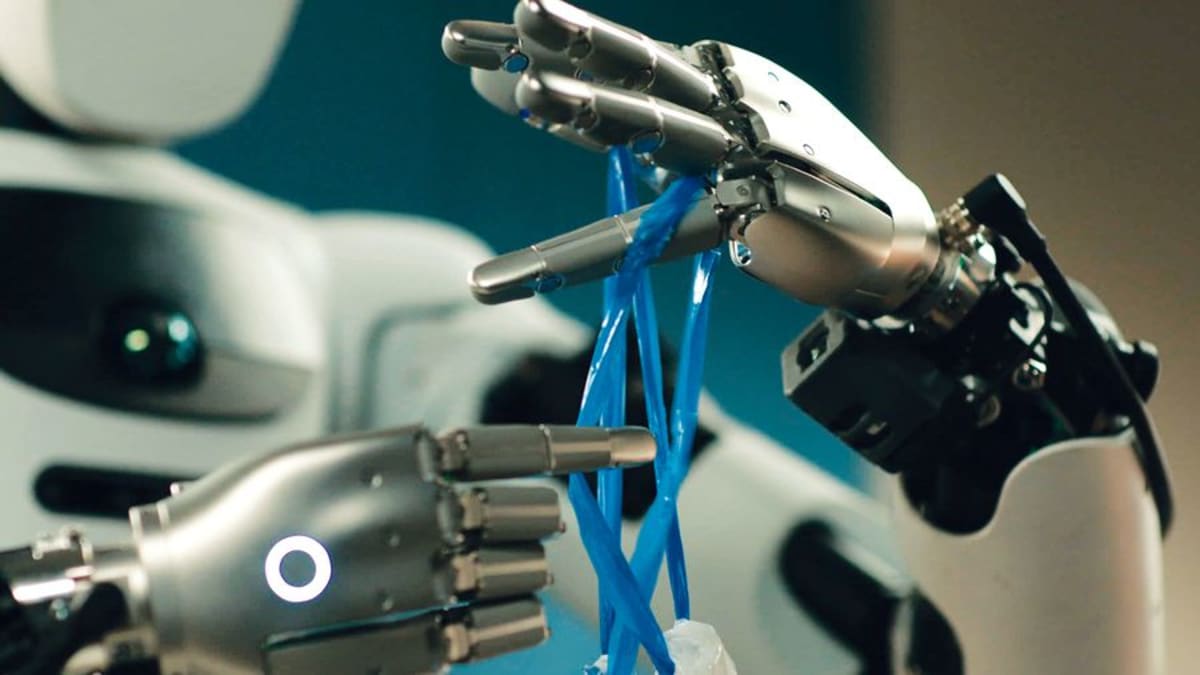
Google DeepMind unveiled Gemini Robotics 2 in late July, and it represents a genuine breakthrough in how robots learn. For the first time, the company's AI can control a humanoid robot's entire body, not just its upper half. These machines can now fetch snacks, change lightbulbs, tie knots, and handle delicate tasks that require understanding both their own bodies and the objects they touch.
The real magic isn't in any single task. It's that Gemini learns skills that transfer between different jobs and even different robot bodies. Think of it like learning to ride a bike and then being able to ride a motorcycle without starting from scratch.
Principal software engineer Kanishka Rao, who grew up dreaming of droids like those in Star Wars, explains the challenge simply. "One requires you to deeply understand yourself, your own body," he says. "The other one requires you to understand the world." Getting robots to interact successfully with our messy, unpredictable human spaces has been the hard part.
Ten years ago, robots were basically fancy machines repeating the same motions in controlled factory settings. Move them into a kitchen or living room, and they'd become dangerous and useless. Machine learning changed everything by letting robots learn through practice instead of programmed instructions.
The Ripple Effect
Google isn't alone in this race. The humanoid robot market could reach $5 trillion by 2050, according to Morgan Stanley projections. BMW already uses humanoid robots in factories. Tesla's Elon Musk has made the company's Optimus robot a top priority. China's robot startups are multiplying rapidly.
This investment surge reflects genuine progress toward a future where robots handle everyday chores. The technology combines reinforcement learning, where robots try tasks repeatedly and get rewarded for success, with imitation learning, where humans demonstrate the right movements. Together, these approaches are teaching machines to understand not just their own bodies but the unpredictable world around them.
DeepMind's Gemini approach brings the same principles that made large language models powerful to physical robotics. Feed the system enough data, and what it learns in one situation applies to others. A robot that learns to open one type of door can figure out different doors. One that masters tying knots can adapt to different materials.
These robots aren't our overlords, but they're becoming genuinely helpful servants, one learned skill at a time.
More Images


Based on reporting by Scientific American
This story was written by BrightWire based on verified news reports.
Spread the positivity!
Share this good news with someone who needs it