GPS Study Shows Wind Farms Change How Forest Birds Move
Scientists tracked 13 large forest birds in Sweden and discovered wind turbines don't just pose collision risks. The grouse slowed down near visible turbines and sped up near roads, revealing how renewable energy can reshape wildlife behavior in ways nobody measured before.
A turkey-sized bird stopped moving in the middle of a Swedish pine forest, and GPS data captured exactly why.
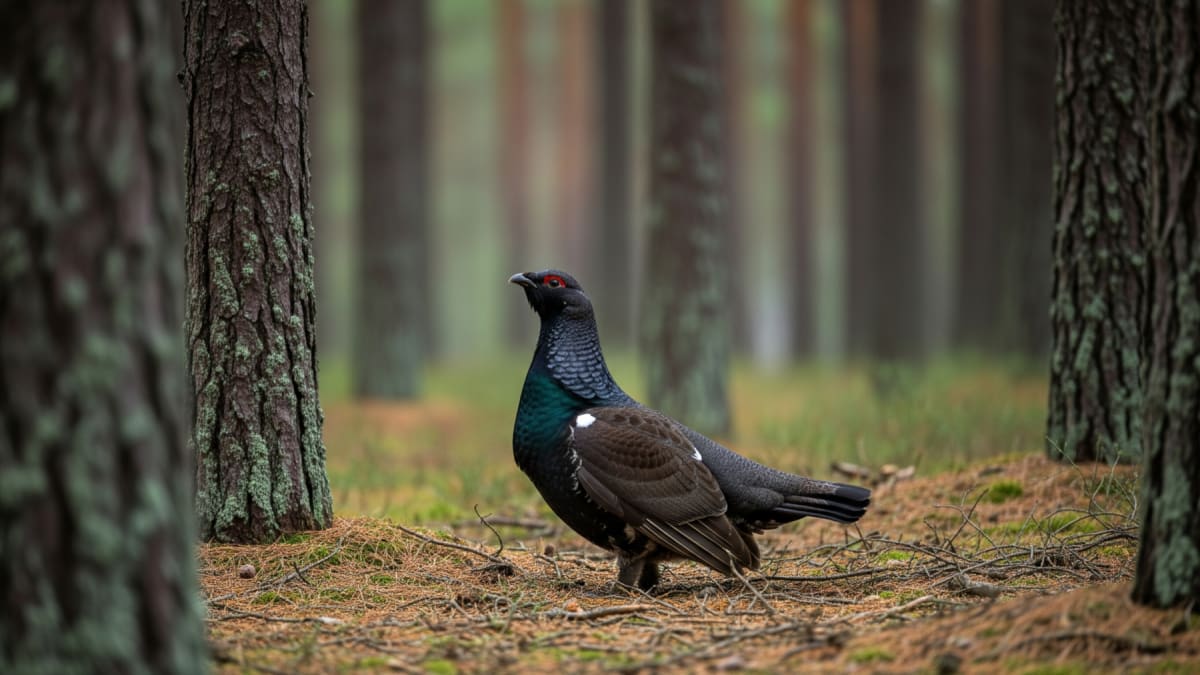
Scientists tracking 13 capercaillie (Europe's largest forest grouse) across two wind farms discovered something wind energy planners had never precisely measured. These ground-dwelling birds weren't just avoiding turbines. They were changing how they moved through their entire forest home.
The research team fitted GPS devices to the birds and recorded their location every five minutes across two summer seasons at the Jädraås and Mombyåsen wind farms in central Sweden. Thousands of data points built a detailed map of how the four-kilogram birds navigated a landscape that had recently sprouted 200-foot turbines.
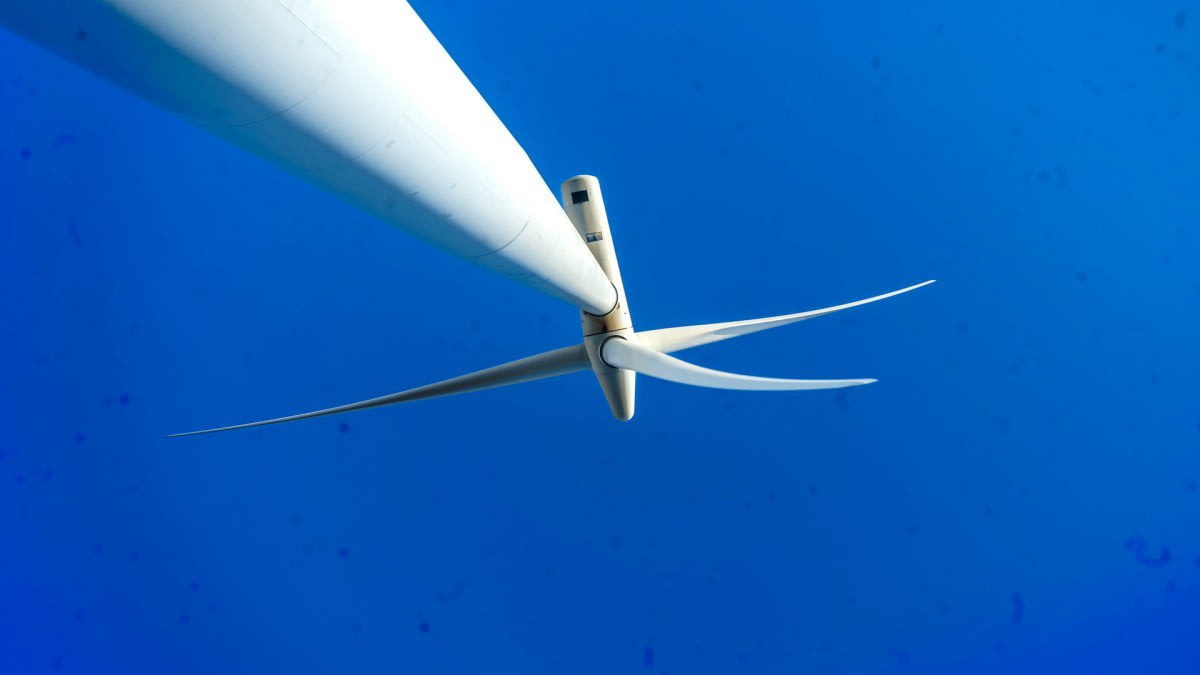
The pattern was clear. Capercaillie slowed down when more turbines were visible through the trees, like someone hesitating before crossing an open space. But near turbine access roads, they sped up, using the cleared corridors as escape routes.
These birds evolved in dense woodland where tree cover means safety from predators. Wind farms interrupt that continuous canopy with towers, roads, and cleared ground. For a creature that rarely flies and depends on moving quietly along the forest floor, every visible turbine became a checkpoint requiring extra caution.
The behavior matches what researchers already knew about capercaillie abandoning breeding grounds when they hear machinery. But this study added precision, showing exactly how far the disruption extends beyond the turbine itself.
Why This Inspires
This research opens a smarter path forward for renewable energy. Instead of just measuring buffer distances or counting bird collisions, planners can now model sight lines and design wind farms that work with wildlife behavior rather than against it.
The study was small (just 13 birds over two seasons), and the researchers acknowledge that openly. But the mechanistic detail they captured matters enormously for Sweden's ambitious wind expansion plans, especially since capercaillie are protected under EU habitat law.
Wind energy doesn't have to choose between carbon reduction and wildlife protection. Studies like this one show that understanding animal behavior in precise detail can lead to better turbine placement, preserving both old-growth forests and the creatures that depend on them.
The capercaillie are still in the forest, moving differently but adapting. And now scientists have the data to help future wind farms fit into the landscape with less disruption, turning a tension between clean energy and conservation into an opportunity for both.
Based on reporting by Google News - Wind Energy
This story was written by BrightWire based on verified news reports.
Spread the positivity!
Share this good news with someone who needs it