Grad Student Teaches NASA Robots to Build Satellites in Space
Sarah Downs developed an algorithm that lets robots assemble satellites without cameras, using only touch to guide antennas into place. Her work could transform how we build technology in the harsh environment of space.
A graduate student who fell in love with robotics as a middle schooler just achieved her childhood dream of working with NASA.
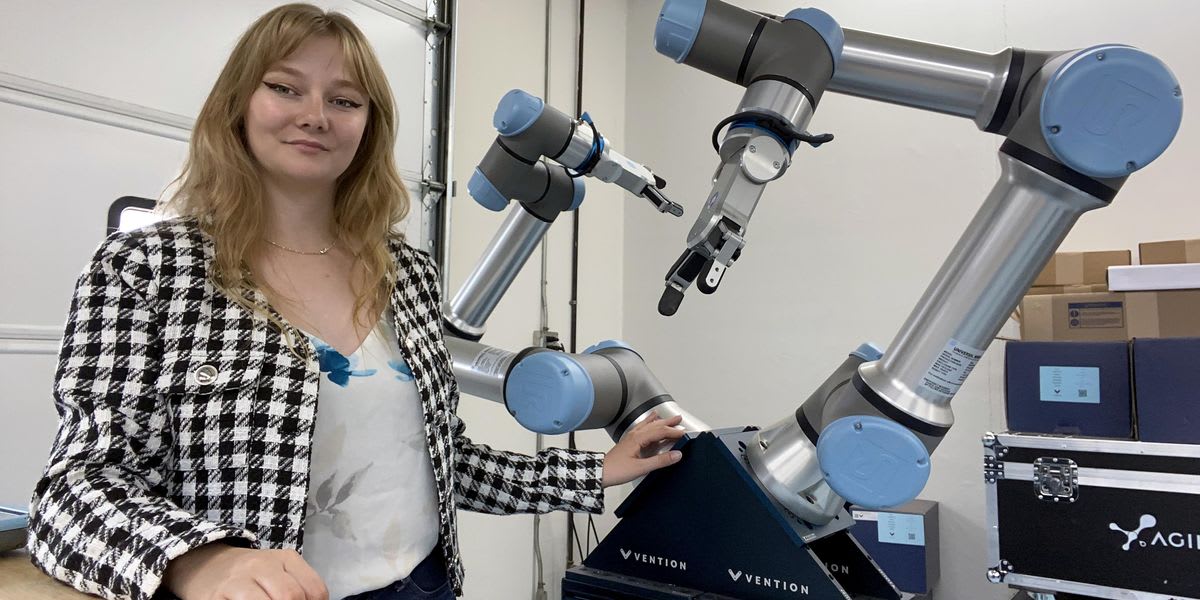
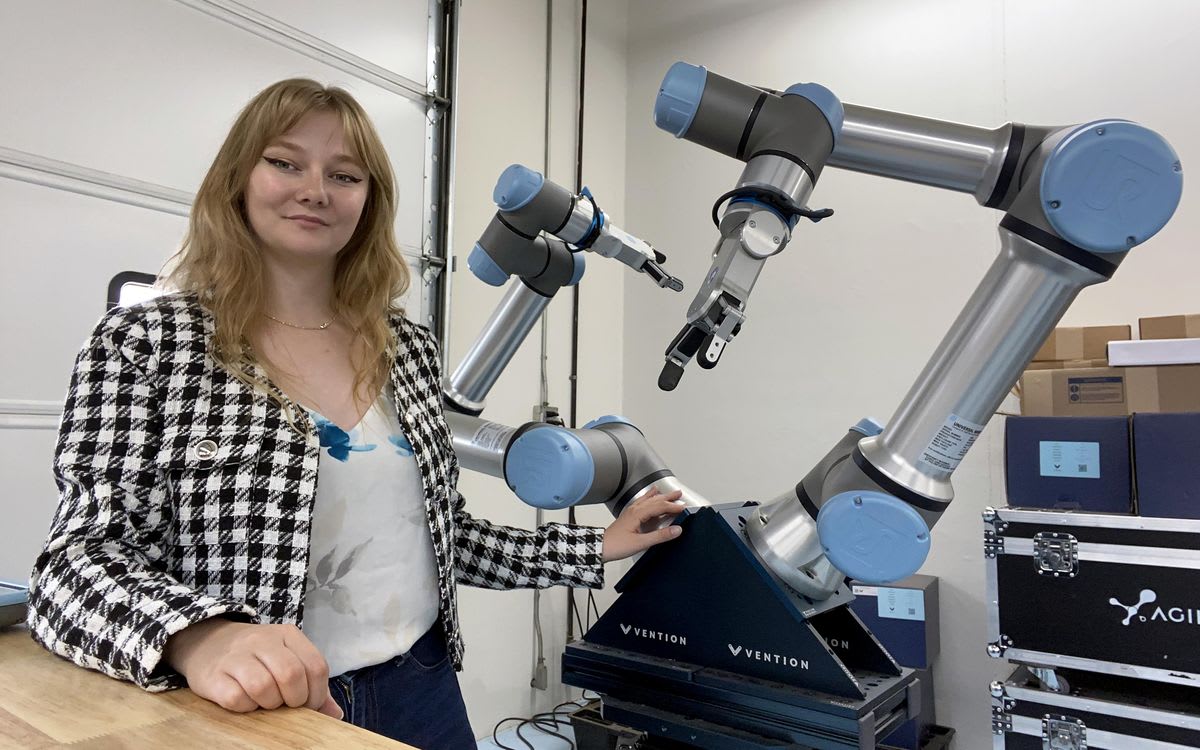
Sarah Downs, now a PhD student at Texas A&M University, created an algorithm that teaches robots to assemble satellites in space without relying on cameras. Instead, her robotic arm uses a "sense of touch" to guide antennas into their correct positions.
The innovation solves a critical problem. In the harsh environment of outer space, cameras can malfunction or experience delays, making traditional vision-based assembly unreliable.
Downs's robotic arm works differently. It loosely grips an antenna and uses a torque sensor on its gripper to "feel" the force feedback between the satellite and antenna. The robot then guides the antenna into its target opening and holds it steady during adhesion.
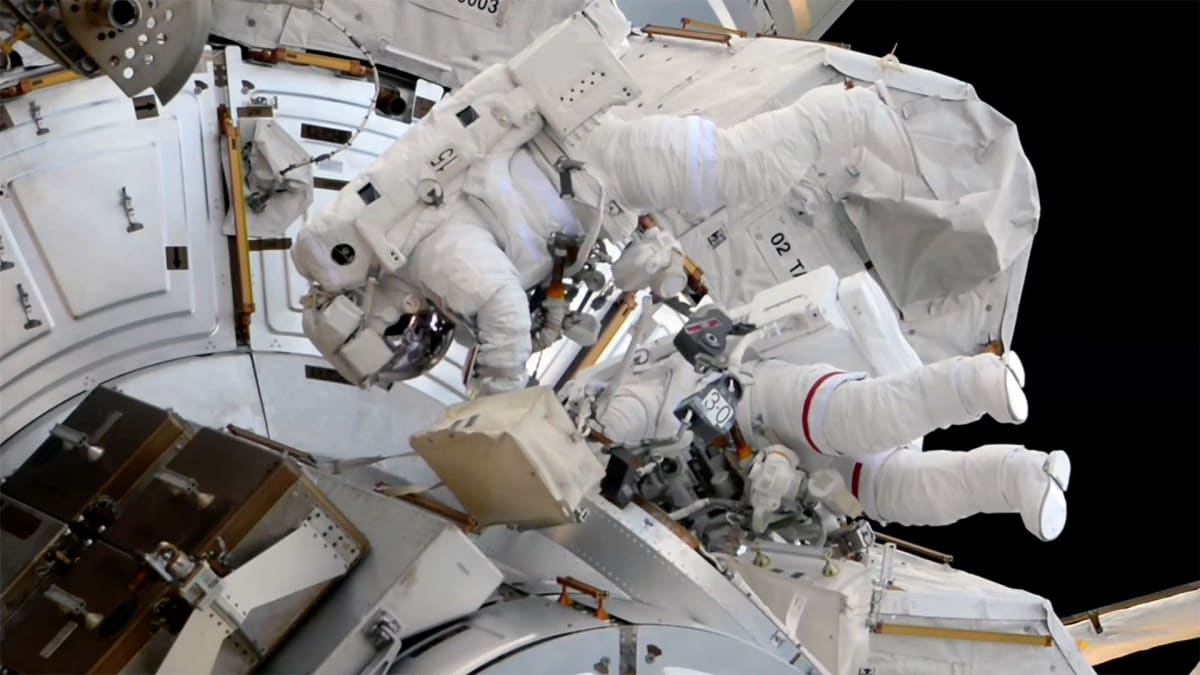
The challenge gets even trickier in zero gravity. Without gravity's stabilizing force, any motion from the robotic arm could send the satellite spinning into space. Downs had to account for reaction torques to keep everything in position.
Her path to NASA started in Tulsa, Oklahoma, where she joined her middle school's First Lego League team in 2014. Watching PBS specials about the Mars rovers Spirit and Opportunity, plus the live broadcast of the Curiosity rover launch in 2011, sparked her dream of working with the space agency.
That dream became more urgent after her father died from a heart attack when she was 13. Her mother returned to college to support the family, and Downs became determined to pursue a career that combined her passion with financial security.
Before tackling satellite assembly, Downs spent a year developing assistive robotics. Inspired by her wheelchair-bound grandmother, she created a robotic arm that helps older adults and wheelchair users live independently by identifying objects and placing them in appropriate locations around the home.
The Ripple Effect
Downs's satellite assembly breakthrough could revolutionize how we build technology in space. Her force-based approach offers a more reliable alternative to camera systems in environments where traditional sensors struggle.
The research also demonstrates how childhood curiosity, when nurtured through programs like First Lego League, can lead to innovations that benefit everyone. Downs's advice to aspiring engineers reflects this mindset: "Don't stop asking questions. Especially in engineering, don't pretend like you know everything, because science is about constantly wanting to learn and listen."
Her work continues to expand at Texas A&M, where she's scaling up her satellite assembly and manipulation research. From building Lego robots in middle school to teaching NASA's robots new skills, Downs proves that childhood dreams backed by persistence can reach beyond Earth's atmosphere.
More Images
Based on reporting by IEEE Spectrum
This story was written by BrightWire based on verified news reports.
Spread the positivity!
Share this good news with someone who needs it