Gravity-Based Design Solves Major Hydrogen Fuel Cell Problem
Scientists in Canada and Germany discovered a simple but powerful solution to a water buildup problem that was limiting hydrogen fuel cells for trucks and planes. By designing cells to work with gravity, they've opened the door to cleaner long-haul transportation.
📺 Watch the full story above
A breakthrough in fuel cell design could help heavy trucks and airplanes run on clean hydrogen instead of fossil fuels.
Researchers at the University of Toronto and Baden-Württemberg Cooperative State University in Germany figured out how to solve a stubborn problem that's been holding back hydrogen fuel cells. The issue? Water buildup that chokes the cell and stops it from working.
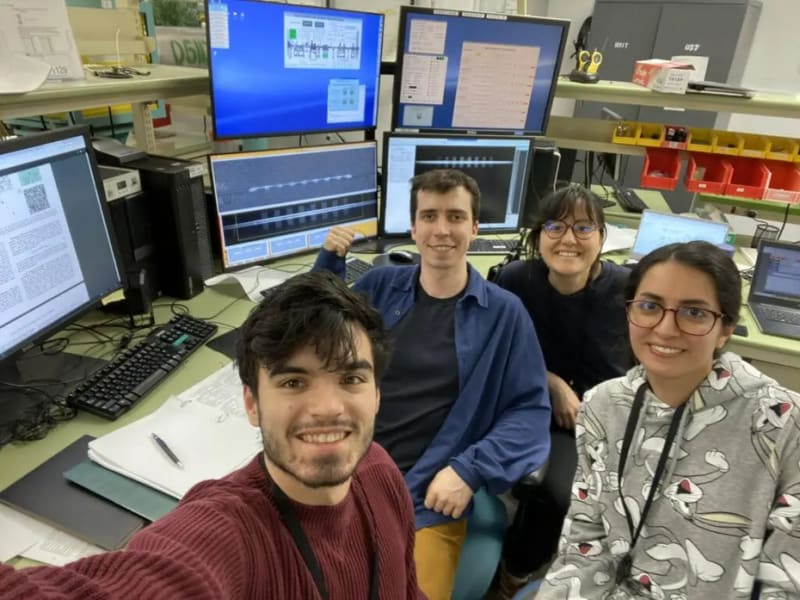
Eric Chadwick led the research team that made the discovery. They used powerful X-ray imaging at the Canadian Light Source facility in Saskatchewan to watch fuel cells operate in real time and see exactly where water was causing problems.
Hydrogen fuel cells create electricity by combining hydrogen and oxygen, but they produce liquid water as a byproduct. That water starts blocking the hydrogen and oxygen from reaching where they need to go inside the cell. Eventually, the whole system grinds to a halt.
This becomes an even bigger headache with the larger fuel cells needed for trucks and planes. The more power you need, the bigger the cell, and the worse the water problem gets.
The solution turned out to be elegantly simple: design the cells to let gravity do the work. By positioning components so water naturally drains away, the cells can keep running efficiently without the buildup that previously caused failures.
The team could actually see the water moving through the cells thanks to the specialized X-ray equipment. The high-energy X-rays created enough contrast between water, air, and solid parts to reveal exactly how liquid flowed through the system.
Why This Inspires
This research matters because hydrogen fuel cells offer something battery-powered electric vehicles struggle with for long distances. They refuel in minutes instead of hours, weigh much less than heavy battery packs, and produce zero emissions besides water vapor.
Heavy-duty trucks that haul goods across continents and airplanes that need massive amounts of power are exactly where hydrogen makes the most sense. Electric batteries work great for cars and short trips, but their weight and charging time make them impractical for these bigger jobs.
The work lays groundwork for designing the next generation of larger, more powerful fuel cells. As the world shifts toward renewable energy, having clean options for industries that currently rely on diesel and jet fuel becomes crucial.
Chadwick says this foundation will guide further research into optimizing these larger fuel cells. The path from laboratory discovery to commercial application is clearer now that scientists understand how to manage the water challenge.
Sometimes the best solutions work with nature instead of against it, and letting gravity lend a hand might just help clear the road to cleaner transportation.
More Images

Based on reporting by Google News - Researchers Find
This story was written by BrightWire based on verified news reports.
Spread the positivity!
Share this good news with someone who needs it