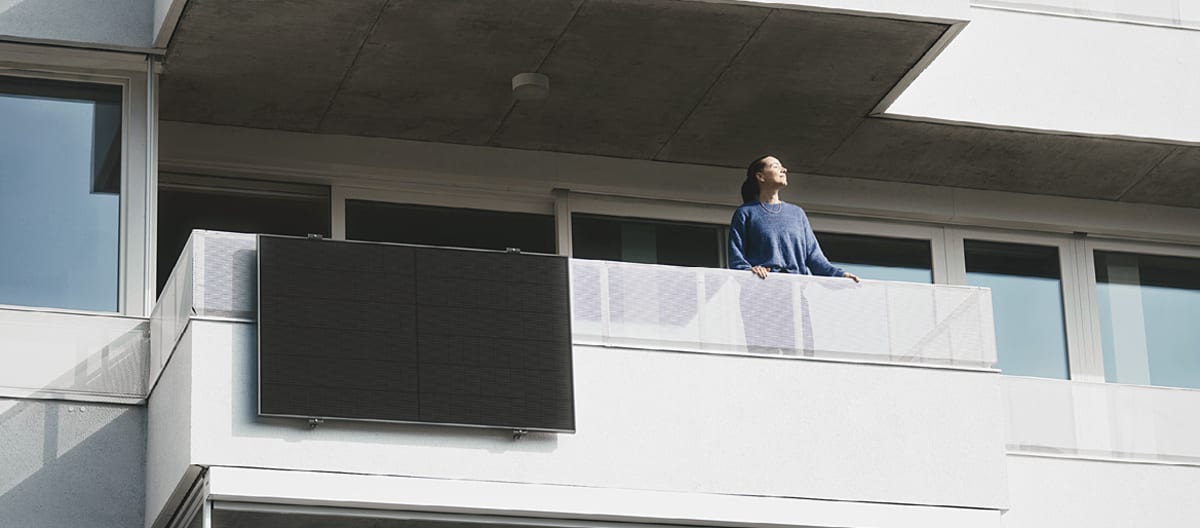
Greece Legalizes Balcony Solar Panels for Apartments
Greece just made it possible for apartment dwellers to plug solar panels into their balconies and start cutting their energy bills immediately. The new policy also lets schools, hospitals, and entire neighborhoods share clean energy for the first time.
Millions of Greek apartment residents can now join the solar revolution without needing a rooftop or special permission.
Greece's Ministry of Environment and Energy just launched a policy allowing anyone to install plug-in solar panels up to 800 watts on their balconies. The systems work like any appliance: plug them in, and they start feeding free solar power directly into your home.
The policy took effect immediately without needing parliamentary approval. It represents the first time Greece has allowed these "balcony solar" systems, which have already become popular across Germany and other European countries.
The new rules also permit standalone batteries that store electricity from the grid during cheap overnight hours and release it during expensive peak times. Combined with dynamic pricing plans, this setup lets consumers dodge high electricity rates entirely.
But balcony solar is just the beginning of Greece's self-consumption overhaul. The policy fixes a stagnant market that previously made home solar complicated and restrictive.
Schools, hospitals, sports facilities, and street lighting systems can now install solar panels and batteries, receiving credits directly on their power bills. Previously, only residential customers enjoyed these benefits.
Neighborhoods can now band together for shared solar projects too. The policy expands group self-consumption beyond single apartment buildings to include entire residential complexes, letting communities pool their clean energy.
The government is putting serious money behind the vision. Greece plans to allocate €476 million through its Islands Decarbonization Fund to support solar projects on the country's islands, many of which rely on expensive diesel generators.
An electronic registry will track all self-consumption systems alongside smart meters, making the market easier to manage. The registry will help grid operators monitor balcony solar remotely and ensure systems meet safety requirements.
The Hellenic Association of Photovoltaic Companies welcomed the changes, noting the framework addresses most industry concerns and incorporates new EU regulations. The trade group said weaknesses in previous rules had caused Greece's home solar market to stall.
The Ripple Effect
This policy shift could transform how Greece generates and uses electricity. By opening solar access to renters and apartment dwellers who make up most urban populations, the country just expanded its potential solar workforce from thousands to millions.
The neighborhood sharing provisions create something even more powerful: community energy independence. Instead of individual homes generating small amounts of power, entire complexes can coordinate solar and battery systems to maximize savings and grid stability.
The schools and hospitals provision means public institutions can redirect energy savings toward their core missions, turning solar panels into funding sources for better education and healthcare.
Greece's move shows how smart policy can democratize clean energy overnight.
More Images


Based on reporting by PV Magazine
This story was written by BrightWire based on verified news reports.
Spread the positivity!
Share this good news with someone who needs it