Greece Unveils Alexander the Great-Era Tomb in Amphipolis
Greek officials have revealed the fully restored interior of a massive ancient tomb possibly built for someone close to Alexander the Great. The 2,400-year-old monument in Amphipolis features stunning marble passageways and sculptures that showcase the grandeur of ancient Macedonia.
After years of careful restoration work, Greece has unveiled one of its most magnificent ancient treasures: a massive tomb from the era of Alexander the Great.
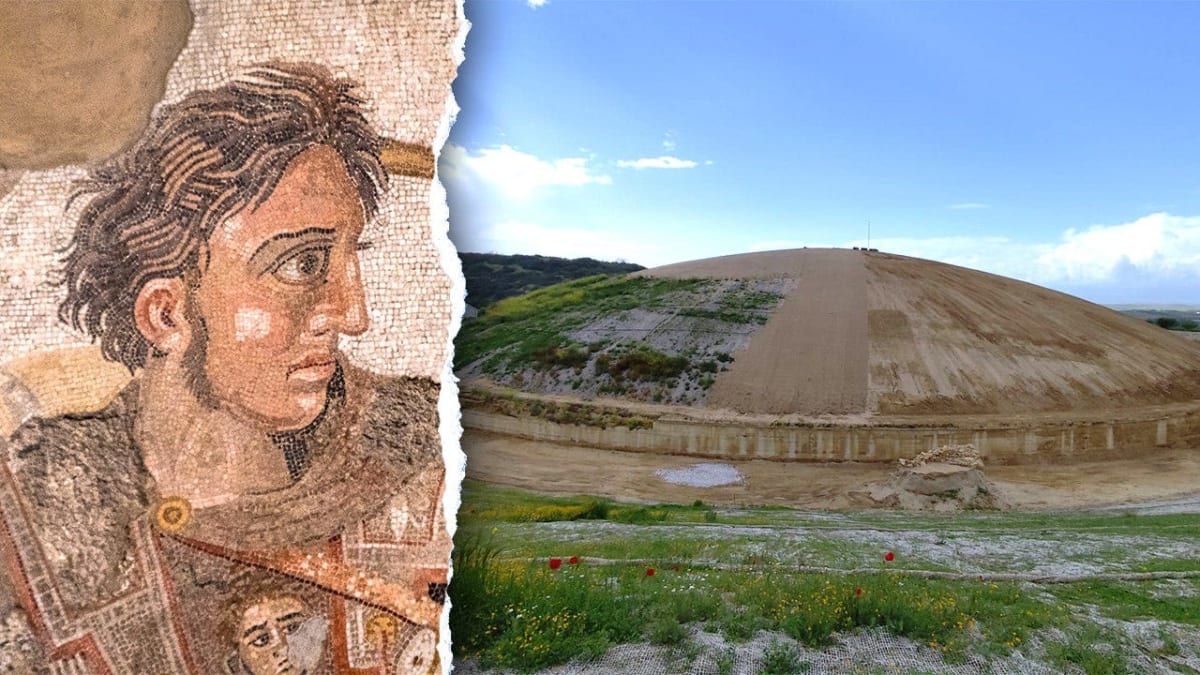
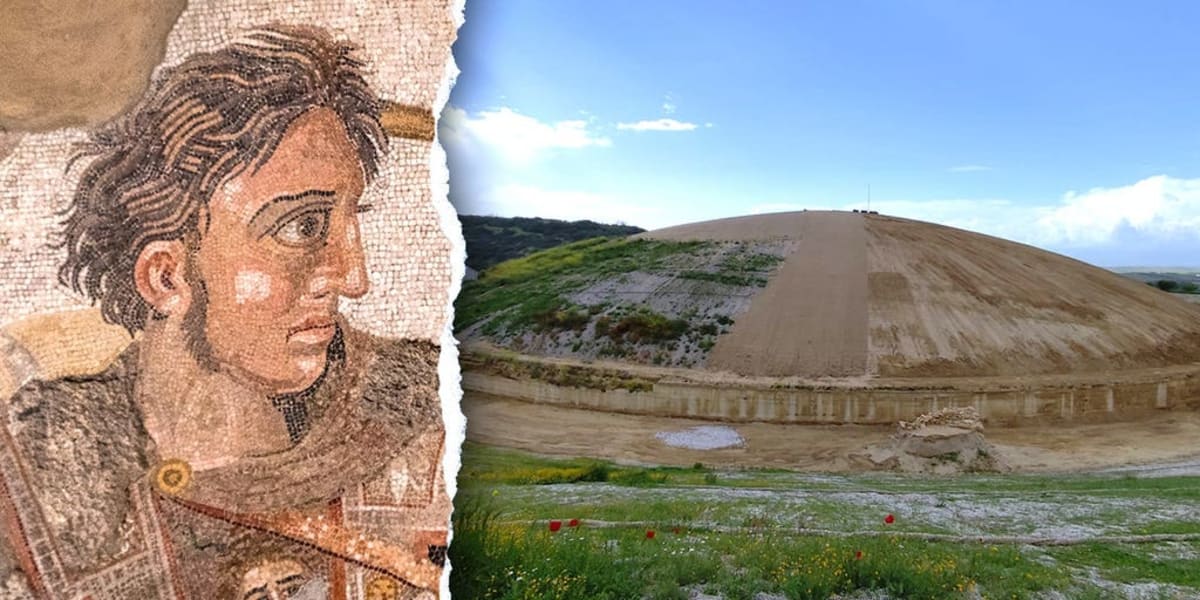
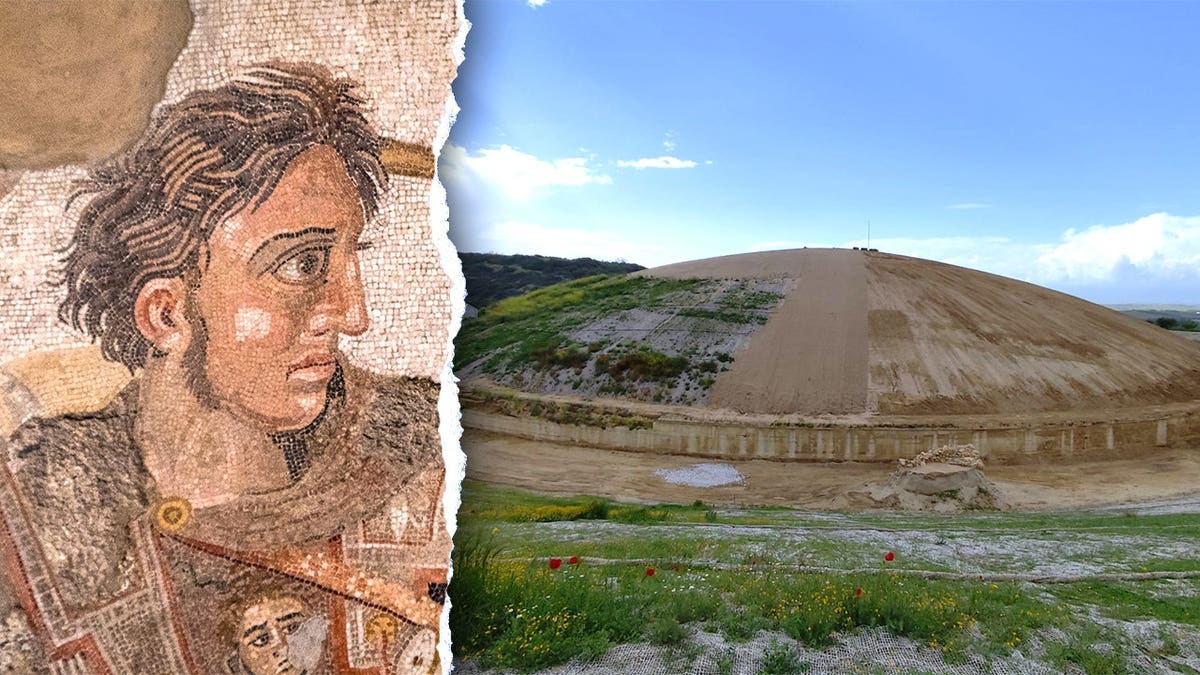
The Kasta Tomb in Amphipolis, located about 60 miles northeast of Thessaloniki, has been fully revealed for the first time since excavation began. The monument dates back to the fourth century B.C. and spans an incredible 20 acres, with an enclosure measuring roughly 1,630 feet around.
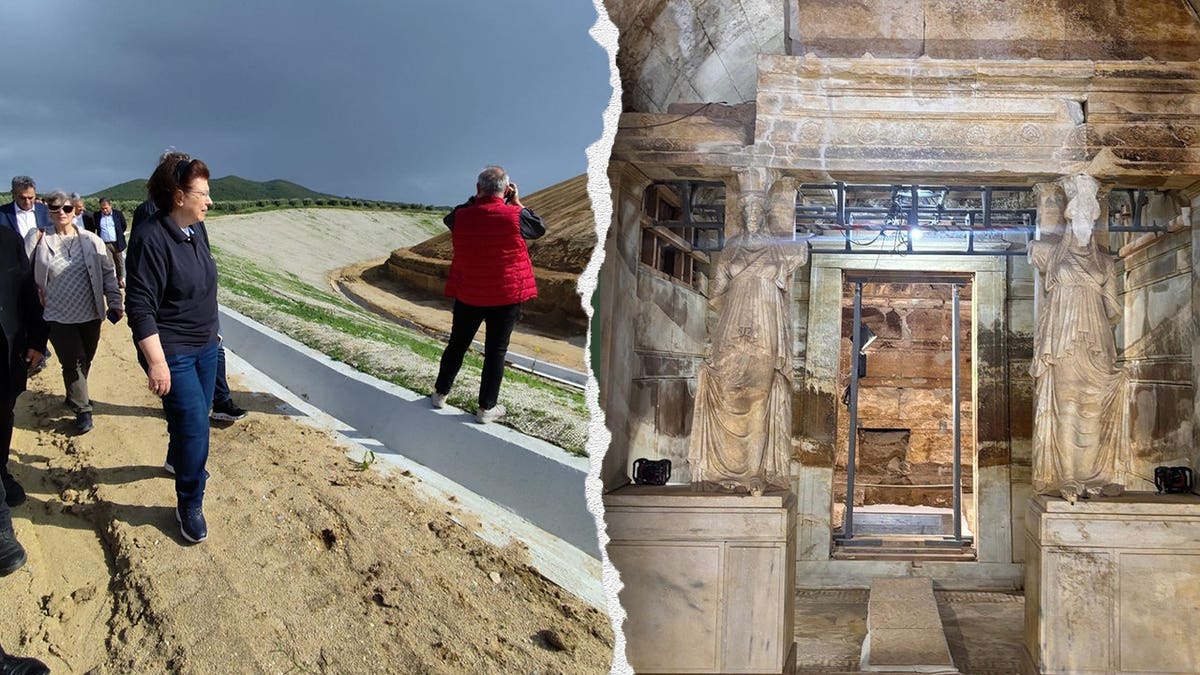
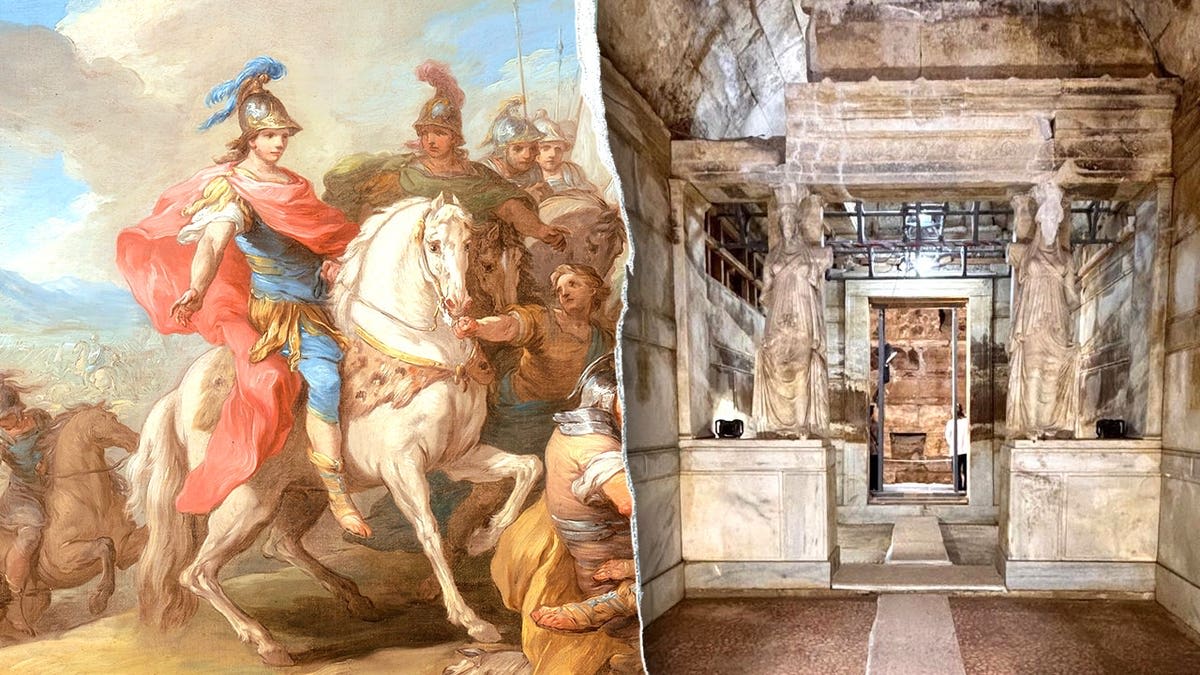
Photos released by Greece's Ministry of Culture show breathtaking marble-lined passageways and elaborate sculptures that hint at the tomb's royal significance. The architecture and fine details suggest this monument was built for a member of the Macedonian elite, possibly someone very close to Alexander himself.
Restoration crews removed older metal supports that had been blocking views of the interior, finally allowing visitors and researchers to see the structure as it was meant to be viewed. Workers plan to install the tomb's original monumental double-leaf marble door and restore the sphinx sculptures that once stood guard at the entrance.
"The Kasta Tomb is a unique and magnificent Macedonian monument," said Lina Mendoni, Greek minister of culture. The site now clearly shows its historical importance and value to understanding ancient Macedonia.
Amphipolis itself holds deep connections to Alexander the Great and his inner circle. Three of his generals lived in the city, and after Alexander's death, his mother Olympias maintained loyalty there. Tragically, Alexander's wife Roxana and son Alexander IV were later imprisoned and murdered in Amphipolis on orders from Cassander, one of Alexander's successors.
Why This Inspires
This discovery reminds us that incredible chapters of human history are still waiting to be uncovered. Alexander the Great built one of the largest empires the world has ever known before dying at just 32 years old, never losing a single battle. Every restoration project like this one brings us closer to understanding the people and relationships that shaped our ancient world.
The dedication of archaeologists and restoration experts ensures these treasures won't be lost to time. Their patient, careful work preserves not just stone and marble, but the stories of real people who lived, loved, and made history 2,400 years ago.
Greece's commitment to sharing these discoveries means anyone can now marvel at what ancient craftsmen created to honor their leaders and loved ones.
More Images
Based on reporting by Fox News Travel
This story was written by BrightWire based on verified news reports.
Spread the positivity!
Share this good news with someone who needs it