Greenland Shark Genome Reveals Secrets to 400-Year Lifespan
Scientists have mapped the genome of the Greenland shark, the longest-living vertebrate on Earth, uncovering genetic secrets that could help humans fight aging and cancer. The findings reveal how these remarkable creatures live for centuries without succumbing to disease.
Scientists just unlocked the genetic blueprint of an animal that can live for 400 years, and the discoveries could reshape how we understand aging and disease in humans.
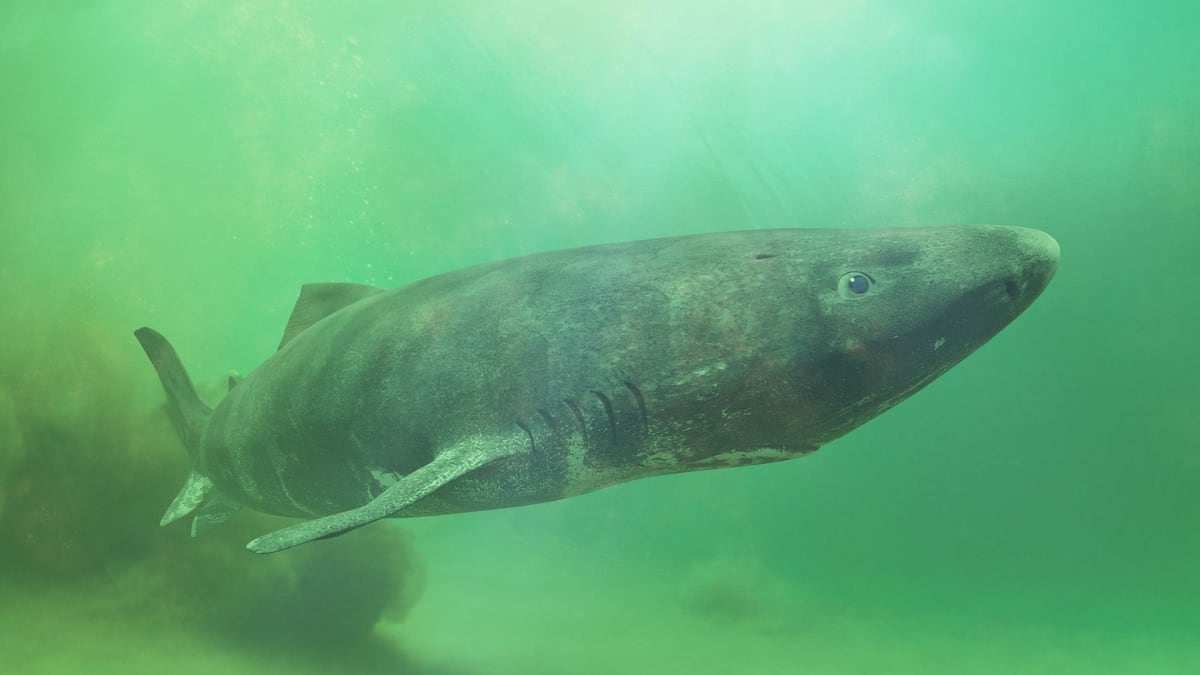
Researchers at the University of Tokyo have completed the first-ever whole-genome sequence of a Greenland shark, revealing genetic adaptations that help these deep-sea dwellers avoid cancer and live for centuries. These mysterious sharks don't even reach maturity until they're 150 years old, making them the longest-living vertebrates on the planet.
The genome revealed multiple genetic superpowers working together. The sharks carry unique tweaks to proteins that package and protect their DNA, potentially preventing the damage that normally accumulates over time and leads to aging.
Scientists also found that Greenland sharks have expanded gene families dedicated to DNA repair and immune response. It's like having extra mechanics constantly fixing cellular damage before it becomes a problem.
Another breakthrough involves genes that control iron metabolism. The sharks have boosted capacity to manage iron levels and limit oxidative stress, the cellular damage that can lead to cancer and accelerated aging in other animals.
Lead researcher Shigeharu Kinoshita emphasized that extreme longevity isn't controlled by a single "fountain of youth" gene. Instead, it's a coordinated system involving genome stability, iron regulation, immune function, and stress resistance all working in harmony.
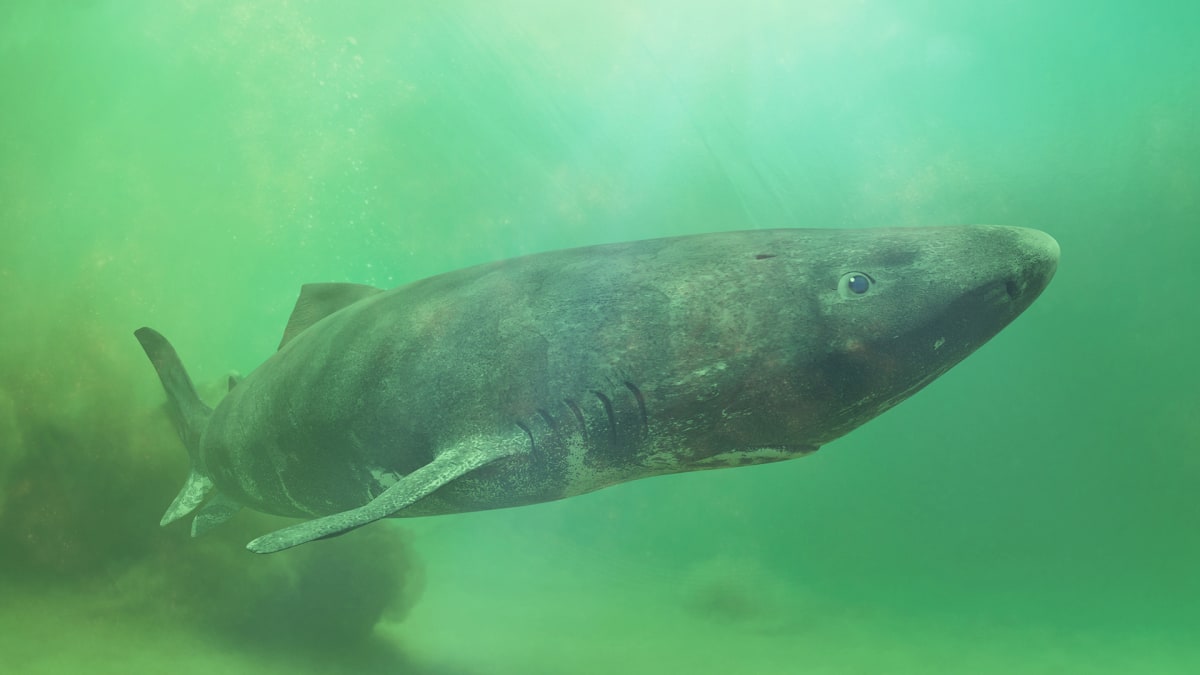
The sharks themselves remain enigmatic creatures, living at depths up to 1.65 miles below the surface in the frigid North Atlantic and Arctic oceans. They grow to about 13 to 16 feet long and have adapted to conditions that would kill most other animals.
Why This Inspires
This research represents more than just understanding an unusual shark. The genetic mechanisms these animals use to resist cancer and cellular damage could inform new treatments for human age-related diseases like Alzheimer's, heart disease, and cancer.
Scientists are already exploring how DNA repair genes in the shark's retina help maintain clear eyesight over centuries. Similar principles could help preserve human vision and other functions as we age.
The discovery shows that nature has already solved problems that medical researchers are desperately trying to crack. By studying animals with extraordinary longevity, we're essentially reading nature's instruction manual for healthy aging.
Some scientists debate whether Greenland sharks truly reach 400 years, with estimates ranging from 200 to 400 years based on radiocarbon dating. But even at the conservative estimate, they're still remarkably old and cancer-resistant.
The findings open exciting new research pathways that could one day help humans live longer, healthier lives by mimicking the genetic wisdom of the world's longest-living vertebrate.
More Images

Based on reporting by Live Science
This story was written by BrightWire based on verified news reports.
Spread the positivity!
Share this good news with someone who needs it