Scientists Load Entire Virus Genome Into Quantum Computer
For the first time ever, researchers successfully translated a complete viral genome into quantum computer language, opening doors to solving biological puzzles that have stumped traditional computers for years. The breakthrough could revolutionize how we track diseases and understand genetic disorders.
Scientists just crossed a major milestone in the race to merge quantum computing with biology, and it could change how we fight disease forever.
Researchers at the Wellcome Sanger Institute successfully loaded the entire genome of the hepatitis D virus into IBM's quantum computer. This marks the first time anyone has translated a real, complete viral genome into a format these powerful machines can actually read and analyze.
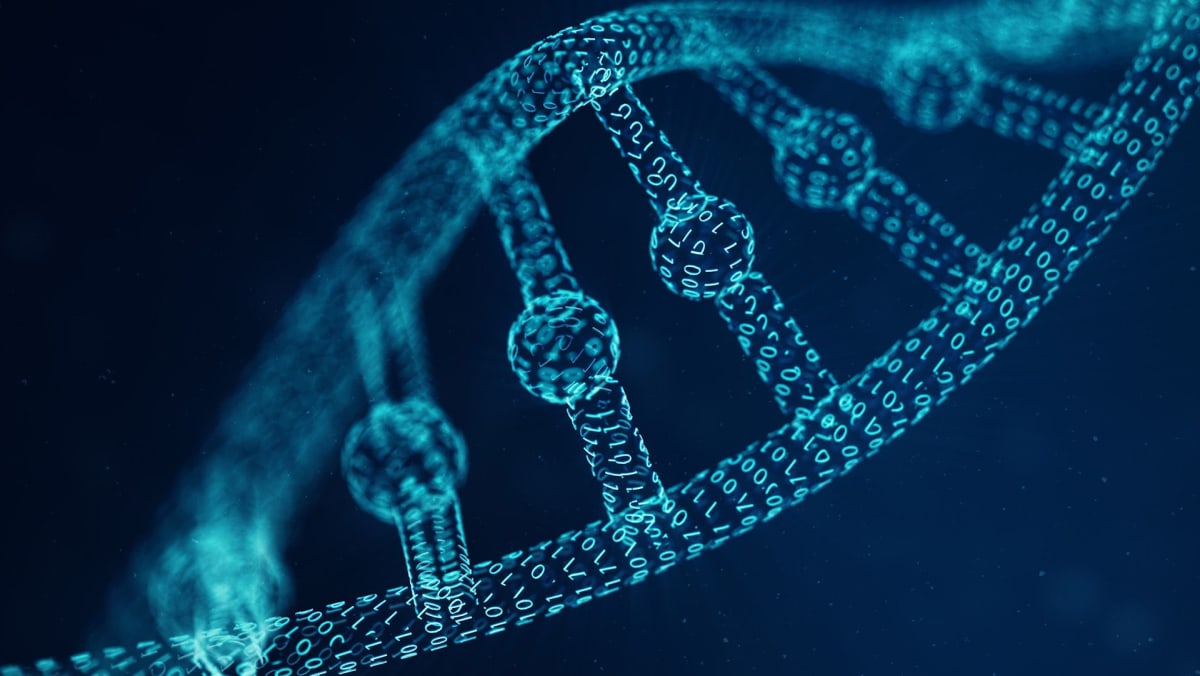
The challenge wasn't just copying genetic letters into a computer. DNA naturally exists as sequences of A, C, G, and T, but quantum computers work with qubits that represent quantum states. The team had to completely transform the genetic information into a quantum-compatible format the hardware could prepare, manipulate, and measure.
They chose hepatitis D for good reason. The virus has one of the smallest known animal virus genomes at roughly 1,700 nucleotides, yet it causes severe liver infections and mutates rapidly like many RNA viruses. It balanced complexity with real-world medical importance perfectly.
The work happened during the Quantum for Bio challenge, an international competition designed to speed up quantum computing applications for human health. The researchers specifically targeted the most complex and variable genomes, tasks that can overwhelm even today's artificial intelligence systems.
Why This Inspires
Associate Professor Sergii Strelchuk from Oxford University describes working with pangenomes like navigating a tangled maze where regular computers get hopelessly stuck. Quantum computers might finally find the best path through.
Pangenomes collect genome sequences from many individuals of the same species, capturing all genetic variation across populations. As more genomes get added, the complexity grows so fast that conventional computers struggle to keep up. Quantum machines can represent and process many possible genetic patterns simultaneously, potentially making large-scale comparisons faster and more efficient.
The same research team already demonstrated four key genomics capabilities on real quantum hardware. They converted DNA sequences into quantum-compatible formats, mapped DNA fragments to reference genomes, built genomes from multiple individuals' data, and mapped evolutionary relationships among organisms.
The practical applications paint an exciting picture. Faster genomic analysis could let scientists rapidly track infectious diseases as they spread, improve understanding of rare genetic disorders, and pinpoint disease-causing mutations with unprecedented speed.
James McCafferty, chief information officer at Wellcome Sanger Institute, says loading the hepatitis D genome onto a quantum computer opens doors to solving biological problems that have been impossible for classical computers to tackle.
The team acknowledges that practical applications may still be years away, but they're already working on the next step. They want to package these capabilities into a service that would let the wider scientific community upload data and choose between classical or quantum approaches to address their computational challenges.
The door to quantum-powered biology just swung wide open.
More Images

Based on reporting by Live Science
This story was written by BrightWire based on verified news reports.
Spread the positivity!
Share this good news with someone who needs it