Grenada Cuts Poverty Rate 8 Points in 5 Years
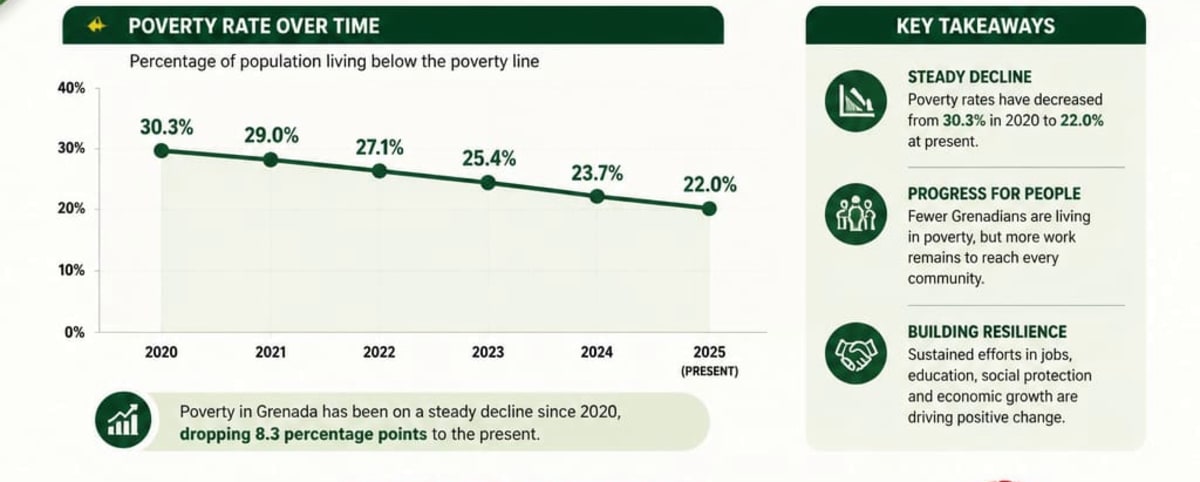
The Caribbean island of Grenada has reduced poverty from 30.3% to 22% since 2020, lifting thousands of families out of hardship. The progress comes after the government paid decades of overdue pensions and invested heavily in infrastructure.
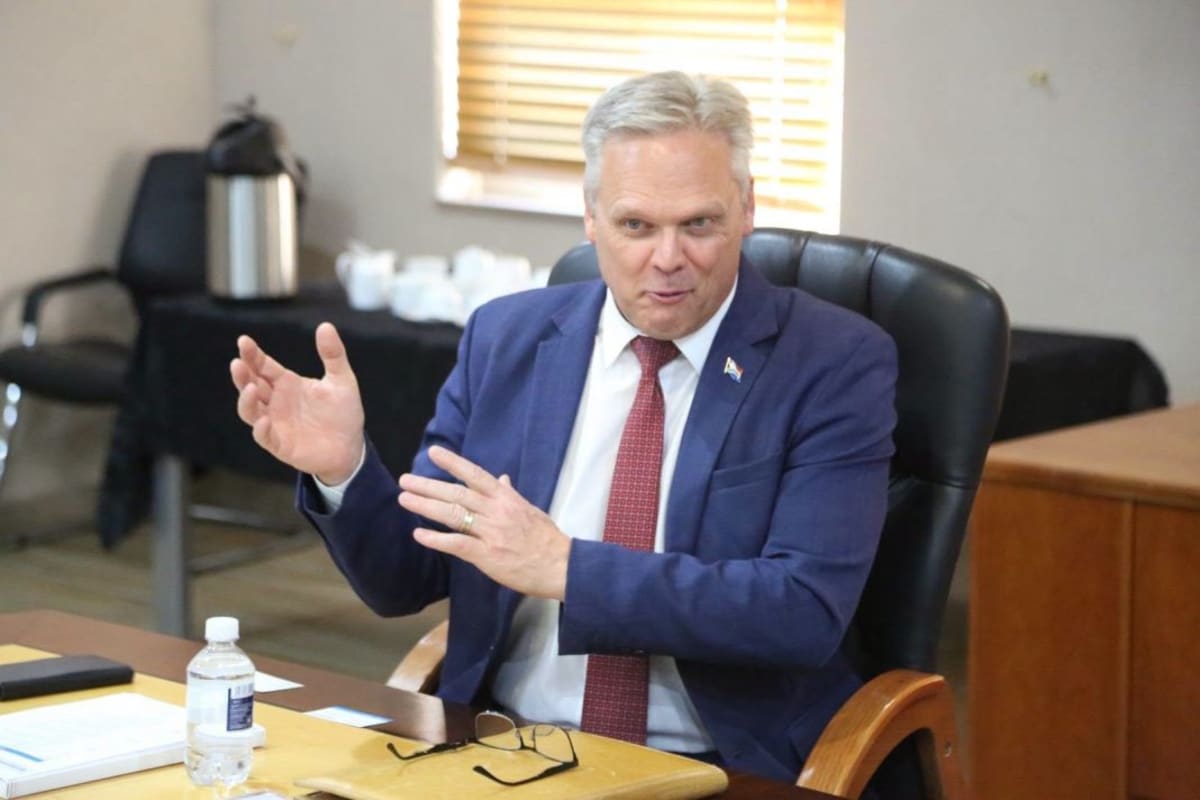
For the first time in over 30 years, retired public workers in Grenada are receiving the pensions they were promised. That single decision, made in 2022 by Prime Minister Dickon Mitchell's administration, injected millions into family budgets and helped drive poverty rates down across this small Caribbean nation.
The numbers tell a powerful story. Grenada's poverty rate dropped from 30.3% in 2020 to 22% in 2025, according to government statistics. That's more than eight percentage points in five years, representing real economic security for thousands of families who were previously struggling.
The pension payments marked a turning point after decades of broken promises. Retirees who had faithfully served their country finally received what they were owed, strengthening household income and reducing financial vulnerability among older Grenadians.
But the government didn't stop there. Long-standing labor disputes with teachers, nurses, and other public workers were resolved through negotiation rather than delays. Workers received fair wage agreements, restoring trust between the government and its employees.
Meanwhile, crews began repairing and upgrading roads, bridges, and community routes across Grenada and its sister islands, Carriacou and Petite Martinique. The construction projects created immediate jobs while improving access to markets, schools, and hospitals for rural families.
Better roads mean farmers can transport produce more efficiently. Students can reach school safely. Small business owners can connect with customers. These improvements compound over time, creating opportunities that weren't possible before.
The Ripple Effect
The government also expanded social protection programs and targeted support toward families who needed it most. Youth training programs opened doors to employment for young people entering the workforce. Small business support helped entrepreneurs build stable income streams.
When workers feel respected, infrastructure improves, and families gain economic stability, the effects spread throughout communities. Parents can afford better nutrition for their children. Retirees can live with dignity. Young people see a future worth investing in.
The progress reflects something deeper than statistics. It shows what happens when a government prioritizes people over politics, choosing nation-building over point-scoring.
Grenada's journey toward reduced poverty isn't finished, but the direction is unmistakable: more families rising, more opportunities opening, and a stronger foundation for everyone to thrive.
Based on reporting by Google News - Poverty Reduction
This story was written by BrightWire based on verified news reports.
Spread the positivity!
Share this good news with someone who needs it