Grizzly Bear Collar Cams Reveal Arctic Life in Alaska
Scientists fitted Alaska's remote North Slope grizzly bears with collar cameras, capturing never-before-seen footage of how these resilient animals survive in one of Earth's harshest environments. The groundbreaking project reveals their eating habits, social lives, and remarkable adaptations to eight months of hibernation.
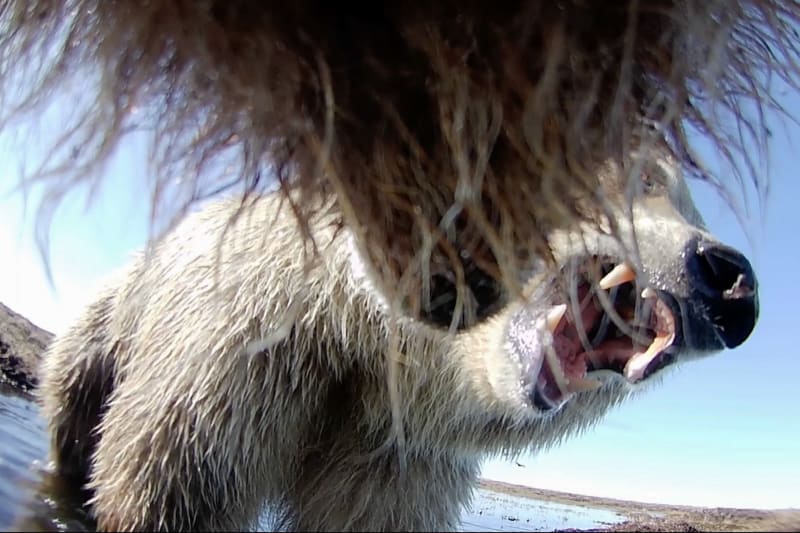
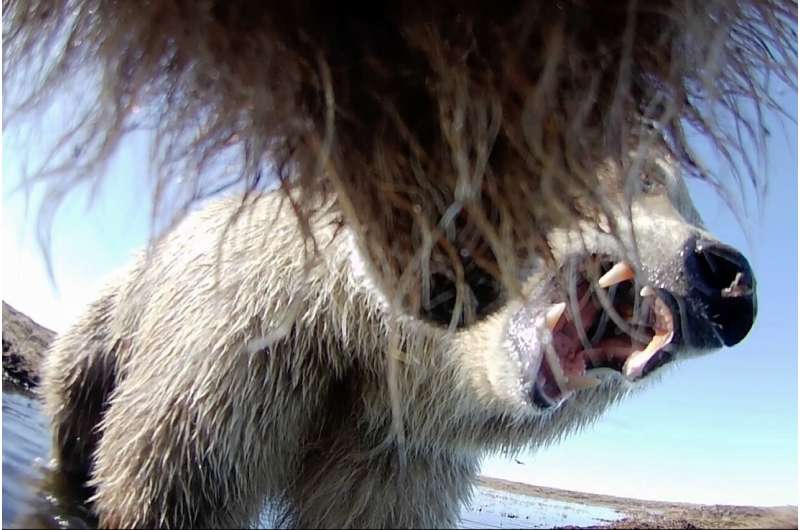
Imagine seeing the Arctic through a grizzly bear's eyes as it swims through icy ponds, munches on berries, and playfully wrestles with companions on the frozen tundra.
That's exactly what researchers at Washington State University and the Alaska Department of Fish and Game are capturing with collar-mounted cameras on 12 grizzly bears roaming Alaska's North Slope. The footage offers an unprecedented window into one of the world's most remote bear populations, showing how roughly 200 grizzlies thrive in a treeless, frigid landscape near the Arctic Ocean.
The stakes are high for these remarkable animals. They hibernate about eight months each year, leaving just four months to pack on enough fat to survive winter.
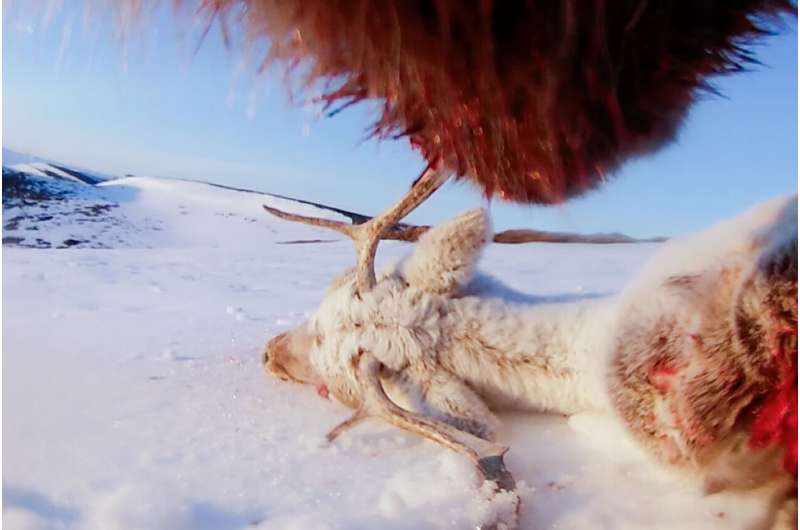
"They really have a short window to obtain enough food resources," says doctoral student Ellery Vincent, who leads the project. The cameras record short clips every five to ten minutes, revealing exactly what and how the bears eat during their critical feeding season.
The footage tells a fascinating seasonal story. After emerging from hibernation, the bears scavenge caribou and musk ox carcasses left from winter. Then they hunt caribou calves before switching to vegetation when the tundra greens up, feasting especially on blueberries and soapberries.
These Arctic grizzlies max out at just 350 pounds, tiny compared to their 1,000-pound salmon-eating cousins in other parts of Alaska. But what they lack in size, they make up for in remarkable resilience and adaptation.
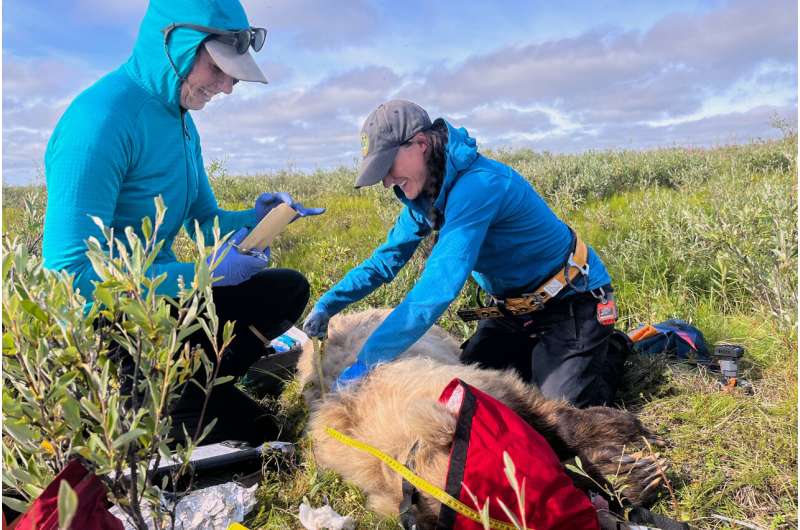
The research team used helicopters to track bears through the snow last May, carefully fitting collars loose enough for weight gain but secure enough to withstand rough play. They've since recaptured the bears twice to swap equipment and measure body fat, documenting how these animals thrive in an area covering 94,000 square miles with only 11,000 human residents.
Why This Inspires
This project beautifully demonstrates how technology can help us understand and protect wildlife without disrupting their natural behavior. The bears themselves are revealing secrets that decades of traditional observation never could, showing us their hidden world through their own perspective.
The research also has practical conservation benefits. GPS collars placed after the camera study help identify winter den locations, ensuring oil companies building winter roads avoid disturbing hibernating bears. It's a win for both wildlife and responsible resource development.
Beyond the scientific value, the footage captures something profoundly moving: grizzlies playing together, swimming with determination, and persevering through one of Earth's most challenging environments. These glimpses into their daily struggles and triumphs remind us of the incredible adaptability of nature.
The bears spend nearly their entire day eating during the short Arctic summer, and the cameras catch them in action. From encountering wolf packs to gnawing on caribou, each clip adds another piece to the puzzle of Arctic survival.
This groundbreaking research proves that even in the planet's most remote corners, innovation and compassion can work together to protect remarkable wildlife for generations to come.
More Images
Based on reporting by Phys.org
This story was written by BrightWire based on verified news reports.
Spread the positivity!
Share this good news with someone who needs it