Gujarat Deploys 18,000 Teams to Protect Flood Survivors
After devastating floods hit Gujarat, health workers launched one of India's largest medical relief efforts, reaching over 760,000 people with preventive care in just days. Their preparation and quick action prevented disease outbreaks that often follow natural disasters.
When floodwaters swept through Gujarat last week, health officials were already three steps ahead with a plan that would protect hundreds of thousands of people from the diseases that often follow disasters.
The Gujarat health department mobilized 6,868 medical camps and more than 18,000 surveillance teams across flood-affected areas. Within days, they had examined and treated over 174,000 people while distributing 10.5 million chlorine tablets and more than one million packets of oral rehydration salts door to door.
The response began well before the first drop of rain fell. State officials had implemented a comprehensive Monsoon Action Plan across all 34 districts and eight municipal corporations, preparing for the worst while hoping for the best.
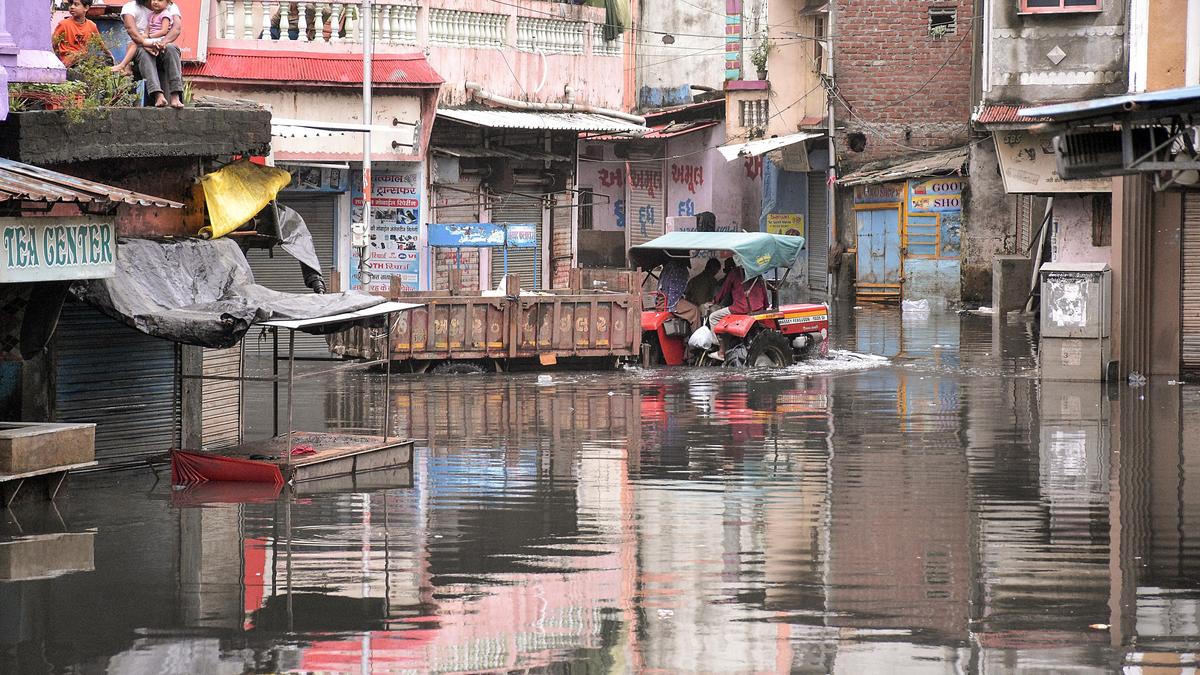
That preparation paid off when torrential rains lashed southern and central Gujarat on August 1st, forcing the evacuation of 27,000 people. Health teams identified 675 pregnant women in vulnerable areas and moved them to healthcare facilities before flooding cut off access. All 272 women who delivered babies during the crisis did so safely in proper medical settings.
The medical response matched the scale of the challenge. Each district received five additional emergency medical teams with dedicated vehicles and staff. Round-the-clock health control rooms coordinated more than 2,300 ambulances kept on standby. Government healthcare facilities stockpiled 15 million chlorine tablets, six million ORS packets, and 138,234 anti-snake venom injections.
As floodwaters receded, teams moved quickly to prevent leptospirosis, a bacterial disease spread through contaminated water. Health workers administered preventive medicines to more than 761,000 high-risk residents across 562 villages in the hardest-hit districts of Surat, Tapi, Valsad, and Navsari.
THE RIPPLE EFFECT
This coordinated effort shows how disaster preparedness saves lives beyond the immediate rescue operations. The surveillance teams conducting daily door-to-door visits didn't just distribute supplies. They built trust, identified health problems early, and taught communities how to protect themselves as recovery continues.
An additional 497 vector control teams deployed across south and central Gujarat are now working to prevent mosquito-borne diseases, turning a potential public health crisis into a managed recovery. Their anti-larval measures and community education help ensure that survivors won't face new health threats in the weeks ahead.
Despite widespread flooding that affected multiple districts, the advance planning and rapid response prevented any major public health emergency.
Based on reporting by The Hindu
This story was written by BrightWire based on verified news reports.
Spread the positivity!
Share this good news with someone who needs it