Gujarat Welcomes First Wild Bustard Chick in a Decade
After 10 years without a wild birth, a critically endangered Great Indian Bustard chick is thriving in Gujarat's Kutch grasslands thanks to a bold 770-km egg rescue mission. The week-old bird represents new hope for one of India's rarest species.
In the windswept grasslands of Kutch, hope is learning to walk on two tiny legs.
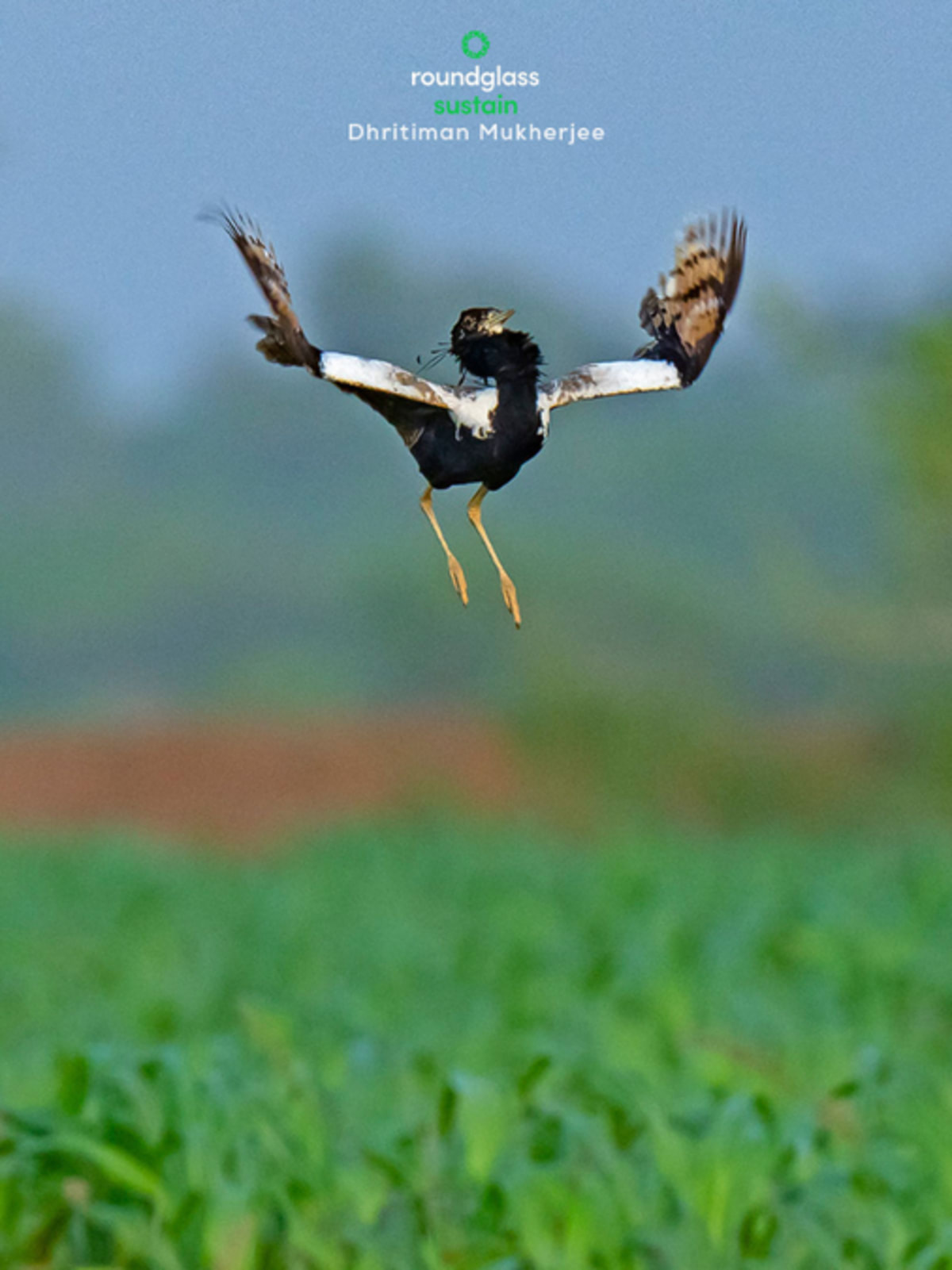
A week-old Great Indian Bustard chick is being raised by its wild mother, marking the first successful wild birth in over a decade for one of India's most endangered birds. With fewer than 150 of these magnificent birds left in the world, this single chick represents a potential turning point in conservation efforts.
The breakthrough came from an audacious plan. With only three female bustards remaining in Gujarat and no breeding males, IFS officer Dheeraj Mittal and his team needed to get creative.
They transported a fertile egg 770 kilometers by road from a breeding facility in Rajasthan's Sam to Naliya in Gujarat, driving without stops to keep the egg viable. Then came the delicate part: swapping it with an infertile egg in a wild nest, hoping the mother wouldn't notice.
She didn't. The egg hatched successfully, and the mother bustard accepted the chick as her own.
"The mother is showing strong maternal instincts," says Mittal, Conservator of Forests for Kutch. "We are monitoring the chick only through binoculars and drones. There is absolutely no physical handling."
That hands-off approach is crucial. Unlike captive breeding programs, this method lets the chick learn survival skills naturally from its mother, from finding food to avoiding predators.
But the next month will test everything. The chick can't fly yet, making it vulnerable to jackals, foxes, wild cats, and stray dogs that now roam these grasslands.
Round-the-clock teams are guarding the area, keeping out predators and preventing accidental human disturbances. It's intensive work for a species that once thrived without any help at all.
The Ripple Effect
This success opens a new path forward for Great Indian Bustard conservation across India. By combining human intervention with natural parenting, teams can support population recovery while preserving the birds' wild instincts and behaviors.
The approach could work in other fragmented habitats where bustard populations are too small for natural breeding. Each successful wild-raised chick strengthens genetic diversity and increases the chances of sustainable wild populations.
Beyond bustards, this hybrid method shows promise for other critically endangered species facing similar challenges. It demonstrates that creative conservation can work with nature rather than replacing it entirely.
The real victory will come in about a month, when this tiny chick takes its first flight over the Kutch grasslands where its ancestors once soared in great numbers.
For now, conservationists watch and wait, giving this rare bird the space to become what it was always meant to be: wild and free.
More Images
%2Fenglish-betterindia%2Fmedia%2Fmedia_files%2F2026%2F04%2F07%2Favantika-featured-image-template-17-2026-04-07-12-30-48.png)
%2Fenglish-betterindia%2Fmedia%2Fmedia_files%2F2025%2F11%2F20%2Fwild-at-heart-banner-image-microsite-banner-2025-11-20-16-17-04.jpg)
%2Ffilters%3Aformat(webp)%2Fenglish-betterindia%2Fmedia%2Fmedia_files%2F2026%2F04%2F07%2Favantika-featured-image-template-19-2026-04-07-12-34-07.png)
Based on reporting by The Better India
This story was written by BrightWire based on verified news reports.
Spread the positivity!
Share this good news with someone who needs it