Gujarat Woman Brings Water to 22,000 Families in 230 Villages
After earning just Rs 12 a day as a child laborer, Neeta Patel transformed 230 water-starved villages across Gujarat by building dams and putting women in charge. Her 12-year mission has secured water access for 22,000 families and raised groundwater levels in 25 villages.
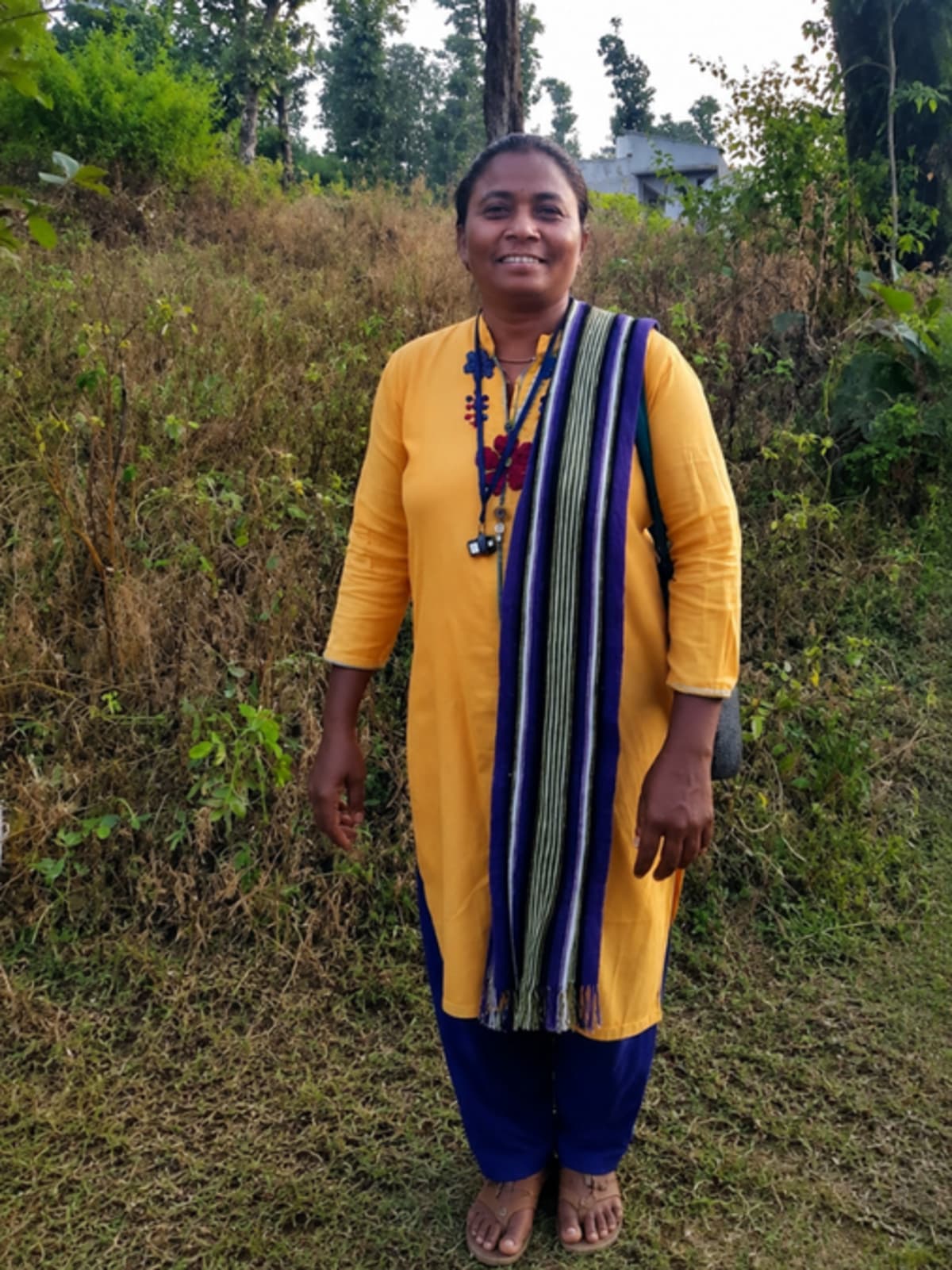
Neeta Patel walked 22 kilometers to school every day after seventh grade, determined to escape the poverty that once kept her working in fields for barely enough to survive. Today, she's the reason 22,000 families across Gujarat's tribal belt no longer worry about where their next drop of water will come from.
Growing up in Navsari's Mograwadi village, Neeta worked alongside her family, earning just Rs 12 daily through farming and wage labor. Scholarships and sheer determination carried her through Rural Studies and Gandhi Vidhyapith Vedchhi, leading to a role with the Aga Khan Rural Support Programme in 2002.
Her first victory came in Kambodiya village, where families had no drinking water. When the local panchayat rejected their proposal, Neeta rallied villagers until all 200 households finally got access to clean water.
That success sparked a movement. In Kirli village, she organized women around their need for a hand pump, and their collective voice eventually won approval. Over the next decade, Neeta worked with communities across the tribal districts of Dang, Narmada and Bharuch to build check dams, wells and rainwater harvesting structures.
She didn't stop at building new infrastructure. In 2013, Neeta led efforts to repair 48 abandoned government check dams with help from local residents. Those restored structures now serve around 2,500 people across three villages in Dang's Subir block.
Recognizing that barren hillsides couldn't hold rainwater, Neeta mobilized nearly 2,000 villagers to plant 90,000 saplings across 300 hectares. The greening effort helped recharge groundwater and stabilize soil.
The Ripple Effect
Perhaps her most lasting achievement is the creation of women-run Pani Samitis, water committees that partner with local governments to manage village water resources. In Dang alone, she established four groups representing 2,900 members who now control their communities' water future.
The transformation is visible across 230 villages today. Groundwater levels rose in at least 25 communities, enabling farmers to grow winter crops for the first time in years. Women who once walked miles for water now manage solar-powered irrigation systems and make decisions about their village's most precious resource.
Neeta gives full credit to the tribal women and communities who trusted her vision. The UNDP India recognized her work for both improving water access and empowering women to lead.
From a girl who walked 44 kilometers daily just to attend school, Neeta Patel proved that real change flows from those who refuse to accept that things must stay broken.
Based on reporting by The Better India
This story was written by BrightWire based on verified news reports.
Spread the positivity!
Share this good news with someone who needs it